 English
 Español de México


2026 Top Empty Eyeshadow Palette Suppliers for Global Buyers
Beauty growth is creating new opportunities for brands seeking flexible, retail-ready packaging. Grand View Research’s Cosmetics Market Size, Share & Trends Analysis Report estimated the global cosmetics market at USD 374.18 billion in 2023, with projected annual growth of 4.2% from 2024 to 2030. That figure covers cosmetics broadly, not empty palettes alone. Still, it signals a large market where packaging quality can shape a product’s appeal.
Choosing an Empty Eyeshadow Palette supplier takes more than comparing catalog photos. Buyers should examine hinge durability, pan-well dimensions, closure strength, surface finish, and decoration consistency. A compact sample may look flawless, yet production runs can reveal uneven coatings or loose magnetic closures. Small details matter.
Supplier review also means checking documented quality controls, material specifications, tooling options, minimum order quantities, lead times, and sample approval procedures. For international purchasing, clear communication about packaging protection and shipment schedules can prevent costly surprises. Ask for recent samples. Test the hinge repeatedly. Inspect the edges under bright light.
This guide introduces suppliers for global buyers and highlights practical points for comparing their capabilities. Market reports rarely isolate empty palette demand, so precise forecasts for this niche remain difficult to verify. That gap deserves attention. A supplier may be competitive on price but less reliable on consistency, and no single checklist can remove every risk.
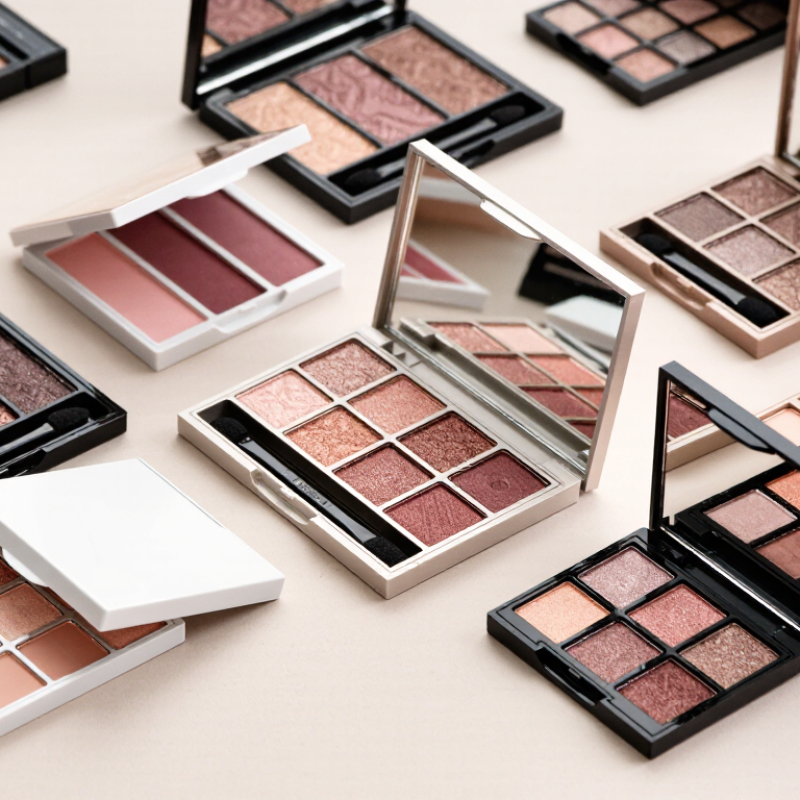
Understanding Empty Eyeshadow Palettes and Their Global Market
An empty eyeshadow palette is a case designed to hold separate powder pans, giving brands and makeup professionals control over shade selection and layout. Common formats include slim travel cases, magnetic refillable designs, and larger palettes with room for custom arrangements. The details seem small. But hinge tension, pan fit, mirror clarity, and surface finish affect daily use.
Global buyers look for suppliers that can match a palette’s size, material, decoration, and order volume. Demand varies by market: some buyers want lightweight packaging for travel, while others need sturdy cases for retail display or frequent backstage use. A sample can look polished under showroom lighting yet feel flimsy when opened repeatedly. That difference matters.
Comparing suppliers means checking measurable specifications, not relying on photos alone. Ask for sample dimensions, compatible pan sizes, material details, and packaging test information. Confirm minimum order quantities and production timelines in writing, since both can change with customization. I would not assume a magnetic closure is automatically better; it needs to hold pans securely without making replacement difficult. Small oversights here can become costly once a full production run begins.
| Supplier or Product Category | Typical Offering | Common Materials and Features | Buyer Considerations | Details to Confirm with the Supplier |
|---|---|---|---|---|
| Packaging manufacturers | Empty palette cases and components made to standard or custom specifications. | Cases may use plastic, metal, paperboard, or combinations of materials. Options can include mirrors, closures, and custom exterior finishes. | Suitable for buyers seeking control over dimensions, appearance, and component configuration. | Material composition, drawings, samples, tooling charges, minimum order quantity, production lead time, and quality-control process. |
| Packaging wholesalers and distributors | Catalog products, commonly in established shapes and sizes, supplied for resale or production use. | Availability depends on the distributor’s inventory; standard formats may include single-pan and multi-pan cases. | May suit buyers who prefer catalog selection over developing a custom design. Stock and customization options vary. | Current stock, reorder consistency, available finishes, shipping origin, order minimums, and whether samples are available. |
| Single-pan palettes | Compact cases designed to hold one eyeshadow pan. | May include a hinged lid, snap closure, or mirror. The case and pan dimensions should be checked together. | Useful for individual shades, samples, or replacement products; fit and closure security are important. | Pan dimensions, usable internal depth, closure type, mirror availability, and compatibility with the intended pan. |
| Multi-pan palettes | Empty cases with multiple wells or spaces for separate pans. | Layouts vary by pan shape and count. Some designs use fixed wells; others accommodate removable pans. | Confirm the layout against the planned shade assortment and the dimensions of each pan. | Pan count, well dimensions, spacing, lid clearance, insert design, and whether pans are included or sold separately. |
| Magnetic or refillable palettes | Cases intended to hold removable pans, often using a magnetic base or another retention system. | Compatibility depends on the case base, pan material, magnets, and any included metal insert. | Do not assume all pans will stay in place; test the exact case-and-pan combination before ordering. | Retention method, compatible pan dimensions, magnet or insert specifications, and refill availability. |
| Travel-size palettes | Smaller cases designed for portability, with layouts ranging from a few shades to compact assortments. | May feature a secure closure and a mirror; available materials and durability depend on the design. | Consider case strength, closure performance, and protection of pans during handling and transport. | Dimensions, weight, hinge and latch construction, packaging protection, and sample performance during handling tests. |
| Custom and private-label packaging services | Customization of the case exterior, finish, decoration, or packaging presentation. | Possible options include color matching, printing, surface finishes, and custom inserts; availability is supplier-specific. | Custom work can add development steps and costs. Approve a production-intent sample before mass production. | Artwork requirements, color approval method, decoration durability, tooling ownership, sampling costs, and change-control process. |
| Global sourcing and logistics | Domestic or cross-border procurement of empty cases, pans, and related components. | Shipping method, packaging configuration, and trade terms affect landed cost and delivery planning. | Compare total landed cost rather than unit price alone. Import requirements depend on the destination market and shipment. | Country of origin, shipping terms, carton dimensions, export documents, estimated dispatch date, and responsibility for freight and duties. |
| Quality and documentation checks | Supplier records and product checks relevant to the selected packaging and intended use. | Documentation may include material specifications, inspection records, and packaging test information when available. | Requirements depend on the buyer, destination, and whether the packaging is supplied empty or with cosmetic product. | Request applicable material declarations and test reports; verify market-specific obligations with qualified compliance professionals. |
| Commercial terms to compare | Quoted price, order quantity, sample charges, production timing, and payment or delivery terms. | These terms vary by supplier, design, order size, customization, and shipping destination. | There is no universal MOQ, price, or lead time for empty eyeshadow palettes; obtain a current written quotation for the exact specification. | Confirm quotation validity, included components, tolerances, quality acceptance criteria, payment schedule, and remedies for nonconforming goods. |