2026 Top Nonwoven Laminating Machine Trends and Innovations?

The world of manufacturing is constantly evolving. Among the notable advancements is the nonwoven laminating machine. This technology has made significant strides in recent years.

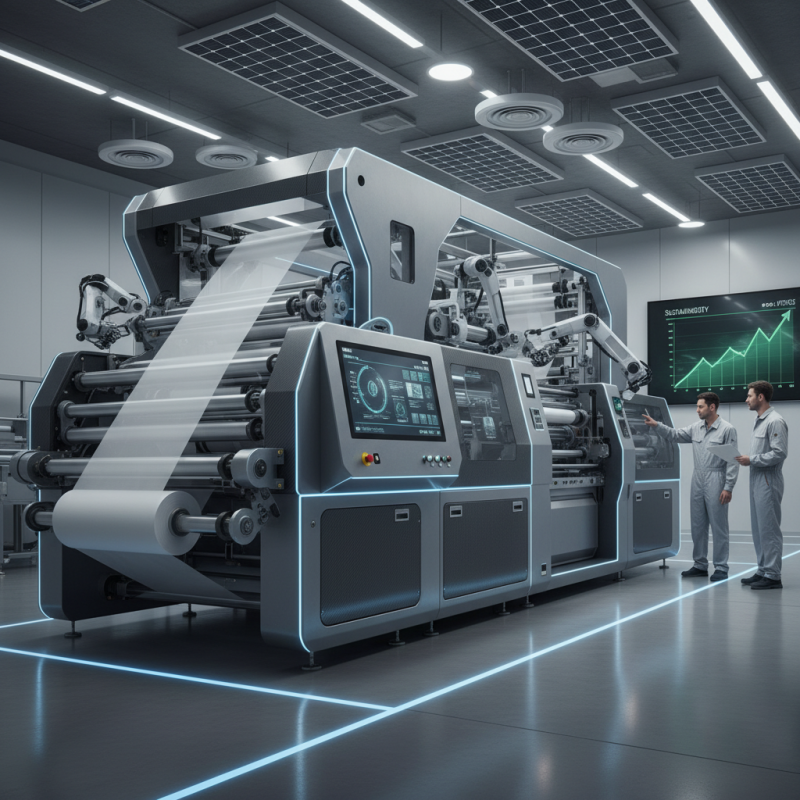
In 2026, we expect several exciting trends. Innovations will improve efficiency and sustainability. The integration of smart technology is a notable development. Machines will feature advanced automation, enhancing production capabilities. These changes can lead to increased output and reduced operational costs.

However, not every trend is perfect. Some challenges remain. For example, the higher initial investment can deter smaller manufacturers. Additionally, adapting to new technology may require extensive training. These factors must be addressed as the industry moves forward. Understanding these nuances will be essential for maximizing the benefits of nonwoven laminating machines.
2026 Top Nonwoven Laminating Machine Trends and Innovations?

Future Technologies in Nonwoven Laminating Machines

The future of nonwoven laminating machines is evolving rapidly. Technologies are advancing to enhance productivity and efficiency. Automated processes are becoming standard. This not only speeds up production but also reduces labor costs.


Tips: Consider integrating real-time monitoring features. This can provide valuable data on machine performance. It helps in predictive maintenance, reducing downtime.


Sustainability is another key trend. Many manufacturers are exploring eco-friendly materials in their laminating processes. Innovations in adhesive technologies are also notable. They aim to improve bond strength while using less material.


Remember, there are still challenges. Not all machines can handle diverse materials effectively. Companies must evaluate their specific needs before investing in new solutions. Balancing innovation with practicality is essential for success.

Advancements in Materials Used for Laminating Processes

The laminating process is evolving rapidly, especially with advancements in materials. In 2026, innovative materials are significantly enhancing the performance of nonwoven laminating machines. Different polymers, such as biodegradable options, are being integrated into laminating processes. Market reports suggest a notable increase in demand for sustainable materials, projecting a growth rate of 7.5% annually in the next five years. This trend reflects a shift toward eco-friendly practices in manufacturing.

Using lighter and more durable fabrics boosts efficiency. Manufacturers are exploring alternatives to traditional films. New composite materials offer excellent properties, balancing weight and strength. Companies have started investing in research to find the perfect blend for diverse applications. However, challenges remain in ensuring these materials meet industry standards. Quality control has become more complex, often leading to inconsistencies.

Tips: Always conduct thorough testing before large-scale implementation of new materials. This will mitigate risks and reduce waste. Stay updated on industry standards to avoid possible compliance issues. Collaboration with material scientists can lead to better formulations. Sharing insights with others in the field fosters innovation, but ensure accountability in partnerships.

Automation and Smart Technology in Nonwoven Manufacturing

The integration of automation and smart technology in nonwoven manufacturing is reshaping the landscape. Recent industry reports indicate that over 50% of manufacturing facilities are adopting advanced automation systems. These systems drive efficiency, reduce labor costs, and enhance precision. Nonwoven production lines now include smart sensors and AI-driven software to monitor processes in real time. This shift allows for quicker adjustments, minimizing waste.

However, challenges remain. Not all facilities have adopted these technologies uniformly. A report by industry analysts shows that about 30% of nonwoven manufacturers still rely on traditional methods. This gap highlights the need for education and investment in technology. Additionally, staff training is crucial for maximizing the benefits of automation. Without proper training, the risk of underutilization of technology increases significantly.

Data shows that companies embracing automation have seen a 20% boost in productivity within two years. Yet, initiatives can falter without careful planning. Implementing new technology demands a cultural shift in the workforce. Resistance to change can hinder progress. Moreover, ongoing maintenance and updates for smart technologies require ongoing investment. This raises questions about the balance between cost and innovation in nonwoven manufacturing.

2026 Top Nonwoven Laminating Machine Trends and Innovations

Trend Description Impact on Industry Expected Adoption Rate (%)
Automation Increased use of automated systems for precision and efficiency. Reduces labor costs and increases production speed. 75%
Smart Technology Integration of IoT and AI for real-time monitoring and adjustments. Enhances product quality and minimizes waste. 65%
Sustainability Move towards biodegradable and recyclable materials. Addresses environmental concerns and promotes circular economy. 80%
Customization Tailored laminating solutions to meet specific customer needs. Enhances customer satisfaction and loyalty. 70%
Advanced Materials Utilization of high-performing nonwoven materials. Improves durability and functionality in various applications. 60%

Sustainability Trends Impacting Nonwoven Laminating Innovations

The nonwoven laminating industry is undergoing significant changes, particularly due to growing sustainability trends. Eco-friendly materials are now at the forefront of innovation. Manufacturers are exploring biodegradable and compostable options. These materials reduce environmental impact. More companies are shifting towards sustainable production processes.

Recycling plays a vital role in this evolution. The focus is on incorporating recycled fibers into nonwoven textiles. This approach conserves resources and reduces waste. However, not all recycling processes are efficient. Challenges remain in sourcing high-quality recycled materials. Some companies still struggle to balance quality with sustainability.

Meanwhile, consumer demand for better environmental practices is palpable. End-users prefer products with sustainable credentials. This creates pressure on manufacturers to adapt. Yet, there is hesitation to change. Transitioning to new materials can be costly. It requires upfront investment in technology and training. A careful assessment of these factors is essential for future success.

Market Demand and Applications Driving Machine Development

The nonwoven laminating machine market is experiencing significant growth, driven by various applications. According to a recent report by Smithers Pira, the nonwoven textiles market is projected to reach $60 billion by 2025. This surge is due to increased demand in sectors like hygiene products, automotive interiors, and medical applications. Innovations in machine technology are essential to meet these evolving needs.

A notable trend is the push for high-speed laminating machines. Speed and efficiency are paramount, especially in the hygiene industry. Companies seek machines that can operate at over 200 meters per minute. However, maintaining quality at these speeds proves challenging. Many manufacturers report difficulties in balancing speed with precision. This calls for continuous innovation and potential adjustments in production strategies.

Sustainability is another key driver for machine development. There's a growing expectation for eco-friendly production processes. For instance, more companies are adopting water-based adhesives to reduce harmful emissions. However, optimizing for sustainability can sometimes conflict with production speed and costs. This ongoing tension leads manufacturers to rethink their operational approaches. As the market demands evolve, the need for innovative, flexible solutions becomes even more critical.