2026 Top Automated Packaging Solutions for Global Buyers?
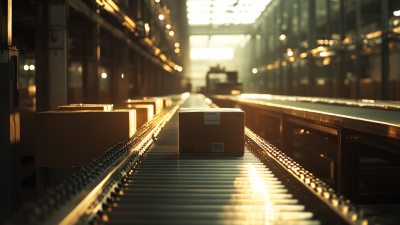
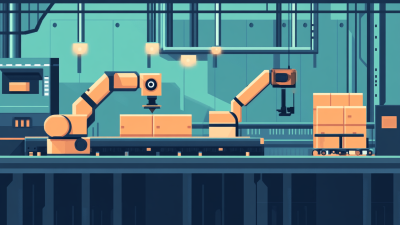
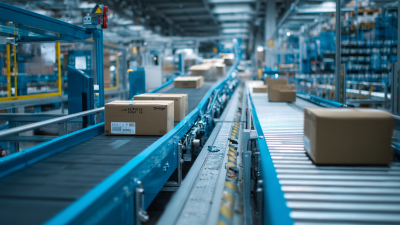
The world of Automated Packaging is evolving rapidly. In 2026, innovative solutions will shape how companies package goods. Global buyers seek efficient, sustainable, and cost-effective options. Automation not only boosts productivity but also reduces waste. As consumers demand faster delivery, businesses must adapt.
Automated Packaging technology offers numerous advantages. It can enhance speed and precision in packaging processes. However, many companies face challenges. The implementation can be costly, and training staff requires time and resources. Reliability in automated systems is also crucial, as any malfunction can disrupt operations.
Buyers must navigate these complexities carefully. Importance lies in choosing the right solutions to meet specific needs. Research is essential to stay updated on trends. Collaboration with trusted suppliers can bridge gaps in knowledge. The future of Automated Packaging depends on understanding both its potential and its limitations.
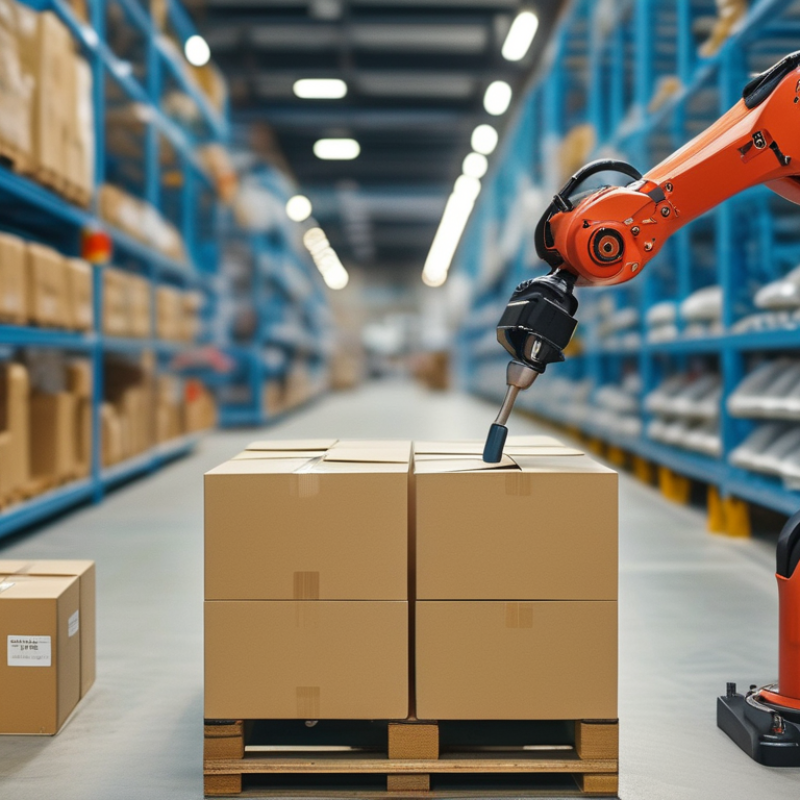
2026 Market Overview: Growth Trends in Automated Packaging Solutions
The automated packaging market has seen remarkable growth in recent years. According to a study by Smithers Pira, the global automated packaging market is expected to reach $63 billion by 2026, with a compound annual growth rate (CAGR) of 7.6%. This growth highlights an increasing demand for efficiency and cost reduction in supply chains. Companies are investing in automated solutions to meet these evolving demands.
In 2026, the trends show a rising preference for sustainable packaging options. 55% of buyers now prioritize eco-friendly materials. This switch not only reduces waste but also meets consumer expectations for environmentally responsible practices. However, many companies struggle to balance innovation with budget constraints. The risk of investing heavily in unproven technologies remains a significant hurdle.
As the industry matures, there is a need for continuous adaptation. Integration of advanced technologies like AI and machine learning can streamline operations. Yet, data security and workforce training require careful consideration. Organizations face ongoing challenges in keeping pace with technological advancements while ensuring compliance with regulations. The landscape is dynamic, and companies must remain vigilant to thrive in this evolving environment.
Key Technologies Shaping the Future of Automated Packaging in 2026
The future of automated packaging in 2026 is being shaped by key technologies that enhance efficiency and sustainability. According to industry reports, the global automated packaging market is projected to reach $85 billion by 2026, with an annual growth rate of 10%. Innovations such as smart packaging and robotics are driving this transformation. They streamline operations, reduce waste, and improve product integrity. As automation increases, so do the opportunities for customization, allowing brands to respond swiftly to market changes.
Tips: Start by assessing your packaging needs. Identify areas where automation can add value. Consider investing in smart technology to track product conditions in real-time. This can enhance customer satisfaction and reduce losses.
Artificial intelligence is playing a crucial role in optimizing packaging processes. Machine learning algorithms analyze production data to predict maintenance needs, reducing downtime. However, the integration of AI presents challenges. Businesses must ensure staff are trained to adapt to these technologies. This can create resistance and require effective change management strategies.
Tips: Foster a culture of continuous learning among employees. This will ensure your team is ready to embrace new technologies and processes. Regular training sessions can make a significant difference in successful transitions.
Top Players in the Automated Packaging Industry: Market Share & Innovations
The automated packaging industry has witnessed significant developments over the past few years. In 2023, the global market was valued at approximately $50 billion, with projections suggesting it will grow at a CAGR of around 14% through 2026. This growth is driven by increasing demand for efficient and cost-effective packaging solutions across various sectors, including food, pharmaceuticals, and e-commerce.
Notable innovations have emerged from top players in the market, particularly in robotics and artificial intelligence. Companies have introduced advanced robotic systems that can perform multiple functions. These systems often enhance production speeds while reducing waste. Moreover, smart packaging solutions utilizing IoT technology are gaining traction, allowing for better inventory management and real-time monitoring. However, integration often poses challenges. Companies struggle to adapt existing processes to new technologies, which can slow progress.
Market share analysis reveals that a few key players dominate the landscape. However, several smaller companies are emerging with unique solutions tailored to niche markets. These developments contribute to a dynamic and competitive environment. Organizations must remain adaptable and open to new ideas. The industry is on the cusp of transformation, yet many hurdles remain, necessitating continuous innovation and collaboration.
Sustainability in Automated Packaging: Trends and Consumer Expectations
Sustainability is reshaping automated packaging. As consumer expectations rise, brands face pressure to adopt eco-friendly practices. Many shoppers now seek greener options. They prioritize brands that demonstrate environmental responsibility.
Tips: Calculate the carbon footprint of your packaging. Use recyclable materials. This can enhance brand loyalty.
Innovation in automated packaging focuses on efficiency and waste reduction. Implementing new technologies can help minimize materials. However, this transition may require investment. Balancing cost and sustainability is challenging. Brands must align their goals with consumer values.
Tips: Engage with your audience about sustainability. Use surveys to gather insights. This will inform your strategy.
With increasing demand for sustainable solutions, buyers need to adapt. It's crucial to stay updated on environmental trends. Embrace improvements, but remember that change takes time. Analyze the long-term impact of your choices.
Cost-Efficiency Analysis: Automated vs. Manual Packaging Solutions in 2026
As companies evaluate packaging solutions in 2026, cost-efficiency remains a critical consideration. Automated packaging systems, while initially more expensive, promise substantial long-term savings. Labor costs often constitute a significant portion of operational expenses. Automating the packaging process can reduce these costs by minimizing human error and increasing speed. In contrast, manual packaging relies heavily on workforce availability, which can fluctuate and lead to variability in output.
However, adopting automated solutions isn't without its challenges. Initial setup costs can be a barrier. These systems require skilled technicians for maintenance and adjustments. If malfunction occurs, it may halt production lines, leading to potential losses. In such cases, businesses must weigh the immediate savings against possible downtime.
Moreover, not all products fit the automated model seamlessly. Fragile items or those with unique packaging needs often require manual handling. Balancing these factors is essential. Companies must assess their specific needs and capabilities before deciding. A one-size-fits-all approach may lead to inefficiencies. Choices in packaging solutions should reflect a nuanced understanding of both immediate costs and long-term implications.
Cost-Efficiency Analysis: Automated vs. Manual Packaging Solutions in 2026
 English
 Español de México