2026 Top Case Packing Solutions for Global Buyers Trends?
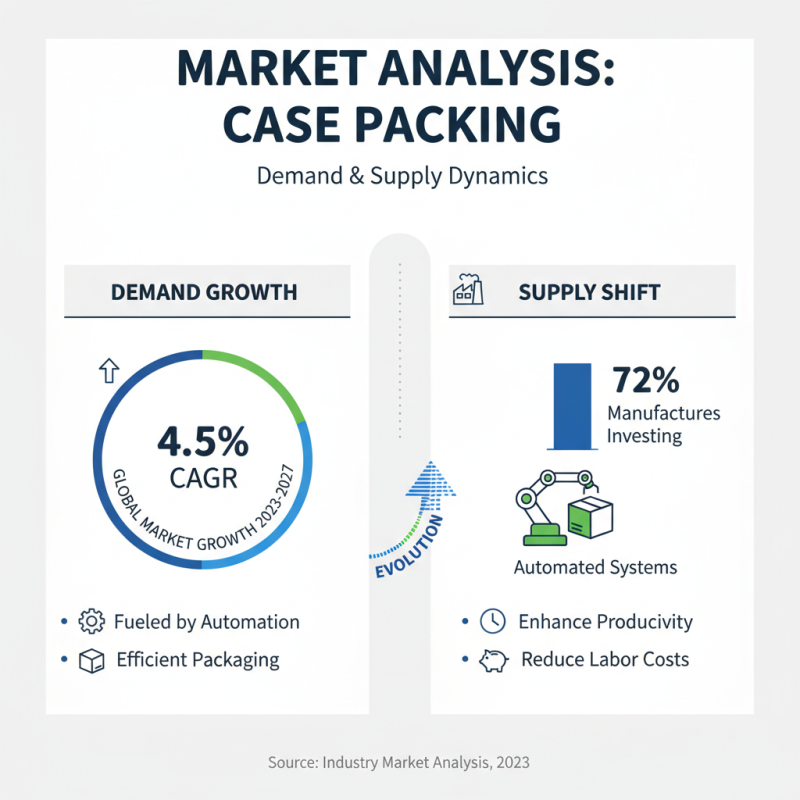
The landscape of case packing solutions is evolving rapidly. By 2026, global buyers will face new trends in this sector. According to a recent market analysis by Grand View Research, the case packing equipment market is projected to reach USD 6.2 billion by 2025, reflecting a compound annual growth rate (CAGR) of 5.5%. This growth is driven by increased automation and a demand for efficiency.
Many industries, including food and beverage, pharmaceuticals, and cosmetics, are actively seeking innovative case packing technologies. Companies are now investing in smart solutions that minimize labor costs and enhance productivity. However, despite these advancements, challenges remain. Adapting to changing consumer preferences and maintaining sustainability can be difficult.
Industry leaders must focus on reliable technologies to remain competitive. The case packing sector must also address a crucial question: How can we optimize processes without sacrificing quality? As the market shifts, exploration of both traditional and unconventional case packing methods will be essential for success.

Emerging Trends in Case Packing Solutions for 2026
As the packaging industry evolves, 2026 is set to bring noteworthy trends in case packing solutions.
Automation will play a crucial role in enhancing efficiency. Many companies will adopt robotic systems to streamline their packing processes.
This shift not only speeds up operations but also reduces human error, increasing overall reliability. Companies must consider the initial investment versus long-term gains.
Sustainability will also shape case packing strategies. More businesses are expected to opt for eco-friendly materials.
Biodegradable and recyclable options will become mainstream. However, sourcing sustainable materials can be challenging.
Companies may face higher costs and supply chain issues. Balancing environmental responsibility with economic viability will require thoughtful planning.
Emerging technologies like artificial intelligence will influence decision-making in 2026.
Predictive analytics can optimize packing layouts, improving speed and reducing waste. Adopting these innovations, however, may pose challenges in training staff.
Organizations must invest in training programs to fully leverage these advancements.
The journey toward transformation in case packing practices will be both exciting and complex.
Innovative Technologies Enhancing Efficiency in Case Packing
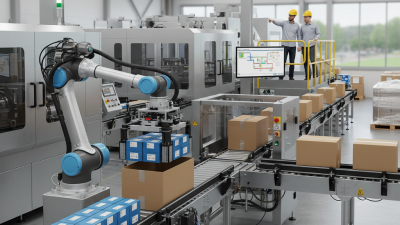
Innovative technologies are reshaping case packing solutions significantly. Automation is one standout area. Robotic systems now enhance precision and speed in packing. These robots can work tirelessly, handling different types of cases with ease. Yet, the integration of robots can be complex. Staff needs proper training to manage these advanced machines.
Smart packaging technology is also making waves. Sensors and IoT devices monitor the packing process. This real-time data allows for immediate adjustments, reducing waste and improving efficiency. However, reliance on technology can lead to vulnerabilities. A sudden software failure can halt production.
Flexible packaging systems are gaining traction as well. These solutions adapt to various products and sizes. Customization enhances efficiency and reduces material usage. Yet, it requires planning and careful implementation. The path to innovation isn’t without challenges. Evaluating these technologies carefully is essential for success.
Sustainability Practices in Global Case Packing Solutions
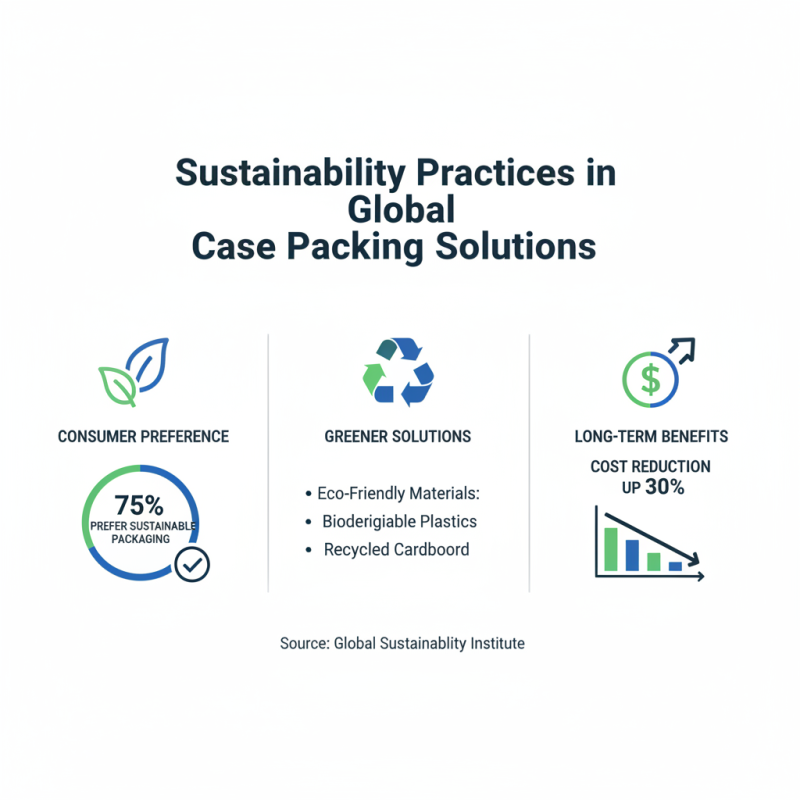
Sustainability is a growing focus in the case packing industry. Recent studies indicate that 75% of consumers prefer sustainable packaging. This trend is pushing manufacturers to adopt greener solutions. Companies are investing in eco-friendly materials, such as biodegradable plastics and recycled cardboard. A report from the Global Sustainability Institute shows that sustainable practices can reduce costs by up to 30% in the long run.
Many businesses are still struggling to make this transition. For instance, around 60% of companies report challenges in sourcing sustainable materials. Also, integrating these solutions often requires significant changes in production processes. This can lead to temporary inefficiencies and increased expenses. However, the long-term benefits of sustainability outweigh these initial hurdles.
Innovation is critical for overcoming these obstacles. Technologies like automated packaging systems help streamline processes while using fewer resources. Additionally, companies are prioritizing transparency in their supply chains. They aim to build trust with consumers and showcase their commitment to sustainability. Despite the roadblocks, industry players recognize the urgent need to pivot toward environmentally responsible methods. The future of case packing hinges on these efforts.
Key Players and Competitors in the 2026 Case Packing Industry
The case packing industry is evolving rapidly. As we approach 2026, understanding key players is essential. Major companies are innovating in automation and efficiency. They focus on minimizing downtime and increasing packing speeds. Technologies such as robotics and artificial intelligence are significantly shaping competition. The landscape is becoming increasingly complex as new entrants challenge established firms.
Investing in training is crucial. Your team needs to adapt to new technologies. Without expertise, even the best machines can underperform. Collaboration among teams can enhance troubleshooting processes. This approach often leads to unexpected solutions.
Furthermore, sustainability is becoming a competitive edge. Companies are exploring eco-friendly packing materials. Reducing waste is no longer optional. Observing competitors' sustainability practices can inspire your strategies. Staying informed is vital in this fast-paced market.
2026 Top Case Packing Solutions for Global Buyers Trends
| Type of Case Packing Solution |
Market Share (%) |
Growth Rate (CAGR %) |
Key Features |
Geographical Popularity |
| Robotic Case Packing |
35 |
8 |
Automation, Versatility, High Speed |
North America, Europe |
| End-of-Line Packaging |
25 |
6.5 |
Compact Design, Cost-Effective |
Asia-Pacific, Latin America |
| Automated Guided Vehicles (AGVs) |
15 |
10 |
Flexible Integration, Safety Features |
Europe, Asia-Pacific |
| Semi-Automatic Packaging |
15 |
5.5 |
User Friendly, Low Capital Investment |
North America, Africa |
| Case Erectors and Fillers |
10 |
7 |
Speed, Efficiency |
Global |
 English
 Español de México