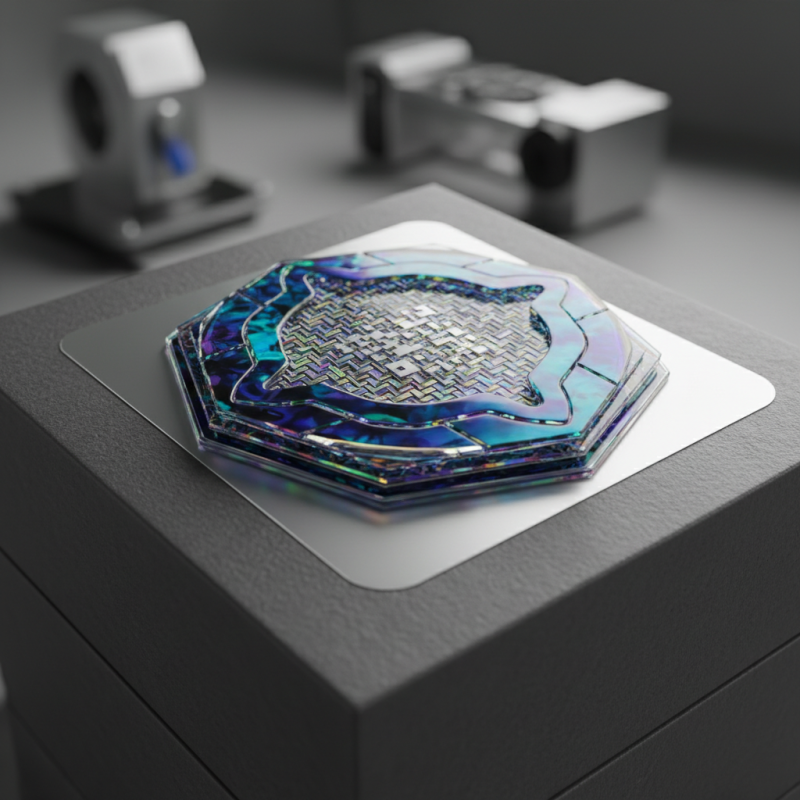
In the competitive world of branding, protecting product integrity is essential. One powerful solution has emerged: the 3D Anti-counterfeiting Label. This label offers unique advantages for businesses facing counterfeiting threats. It combines advanced technology with appealing visuals to deter counterfeiters effectively.
The 3D Anti-counterfeiting Label stands out due to its ability to create a distinct identity for a brand. The label's intricate designs can incorporate various colors and patterns, making it hard to replicate. For consumers, it enhances trust and confidence in their purchases. However, it’s important to recognize that not all labels are foolproof. Some counterfeiters adapt quickly to new technologies.
Beyond just aesthetics, the 3D Anti-counterfeiting Label can provide vital information. It can host QR codes leading to product details or authentication processes. Brands must continually work on improving this technology to stay ahead. There’s a need for ongoing education around these labels, both for companies and consumers alike. In the race against counterfeits, constant innovation is key.
Counterfeiting is a significant issue in many industries, costing businesses billions annually. According to a report by the International Chamber of Commerce, the global economic impact of counterfeiting could reach $4.2 trillion by 2022. This alarming figure highlights the urgency for brands to adopt effective anti-counterfeiting measures. As consumers become more aware of counterfeits, maintaining brand integrity has never been more critical.
3D anti-counterfeiting labels offer a compelling solution. These labels can incorporate advanced technologies like holograms or QR codes, making them difficult to replicate. A study by the Anti-Counterfeiting and Product Security Council reveals that 70% of consumers prefer products with visible anti-counterfeiting features. This shows the growing consumer demand for security in their purchases. However, implementing these solutions is not always straightforward. Some brands may see higher production costs or face challenges in the adoption process.
Building a strategy against counterfeiting is essential, yet brands must be cautious. Awareness of counterfeit products is important, but some companies might lack the necessary resources or expertise. They may neglect necessary training for employees responsible for managing brand protection. Moreover, the market is changing rapidly; remaining adaptable to new counterfeiting tactics is crucial. By staying informed and utilizing innovative technologies like 3D labels, brands can better combat this pervasive issue.
3D anti-counterfeiting labels offer exciting technological advancements for brands. These labels utilize holographic imagery and microprinting. This makes it difficult for counterfeiters to replicate. According to a report by Smithers Pira, the global market for anti-counterfeiting technologies is expected to reach $300 billion by 2025. This demonstrates the growing importance of secure labeling.
The technology behind 3D labels enhances brand authenticity. Their intricate designs are not only visually appealing but also functional. For instance, some labels can change colors under UV light. This unique feature can catch the consumer's eye. Yet, the production costs can be a barrier for smaller brands. As they might struggle to invest in such advanced solutions.
Moreover, there is a need for better education around this technology. Many brands still rely on traditional labels. This can lead to gaps in security measures. A report from the International Chamber of Commerce stated that up to 2.5% of global trade is attributed to counterfeit goods. This stark reality should push brands to reconsider their anti-counterfeiting strategies. Adopting 3D labels could significantly combat this issue.
In today's competitive market, brand protection is crucial. 3D anti-counterfeiting labels enhance product integrity significantly. According to a recent report by MarketsandMarkets, the anti-counterfeiting packaging market is expected to reach $260 billion by 2027. This suggests a growing recognition of the need for secure branding.
These labels use advanced technologies such as holography and QR codes. They offer unique features that make copying nearly impossible. In a world where 20-30% of products are counterfeit, brands cannot afford to overlook these solutions. Authenticity markers boost consumer trust. A survey found that 70% of consumers are more likely to purchase a product that has identifiable security features.
Moreover, the benefits extend beyond mere protection. Implementing these labels can enhance brand loyalty and recognition. However, the costs associated with these technologies can be high. Some brands may hesitate to invest upfront. Balancing protection and expense is a challenge. Yet, in the long run, the value of ensuring authenticity outweighs initial investments. The threat of counterfeiting looms large; brands must act decisively.
In today's market, counterfeit products pose a significant risk to consumer confidence. 3D anti-counterfeiting labels offer a unique solution. These labels provide authentic verification features that consumers can easily access. A simple scan reveals product details. This transparency builds trust between brands and their customers.
Consumers appreciate tangible evidence of authenticity. The intricate designs of 3D labels catch the eye and invoke curiosity. However, some may still be skeptical. Brands need to educate consumers about how to use these labels. Many people might not know what to look for, creating potential confusion. Clear instructions can enhance their understanding and engagement.
Despite the advantages, implementing 3D labels requires investment and careful planning. Brands face challenges in ensuring these technologies stay ahead of counterfeiters. Regular updates to the labeling system may be necessary. It's essential to reflect on these needs. By continuously adapting, brands can maintain consumer trust and refine their authenticity strategies.
The use of 3D anti-counterfeiting labels has transformed how brands protect their products. For instance, one beverage company implemented these labels on its packaging. Customers noticed the vibrant holographic effects, attracting more attention. Sales improved noticeably as consumers felt more secure. They appreciated the added layer of authenticity. However, some found the labels too flashy, leading to mixed reviews. It prompted the brand to reflect on customer preferences.
Another case involved a high-end fashion label that introduced 3D labels on luxury items. Shoppers were drawn to the unique texture and appearance. Many took to social media, sharing their finds and boosting brand visibility. However, the production costs rose, forcing the brand to reassess its pricing strategy. Some loyal customers voiced concerns over affordability, highlighting the need for a balanced approach. This feedback led to better communication about the benefits of the labels. While successes are evident, the journey is not without challenges.