The fiberglass mesh machine has revolutionized the construction and manufacturing industries. These machines efficiently produce durable fiberglass mesh, which is essential for strengthening structures. Recent industry reports show a growing demand for fiberglass mesh, with a market estimated to reach $1.5 billion by 2025. This trend highlights the need for advanced production technology.
Implementing fiberglass mesh machines not only enhances productivity but also improves product quality. An efficient machine can increase output by 40% compared to traditional methods. However, businesses must consider the initial investment and ongoing maintenance. Mistakes in machine selection can lead to operational inefficiencies.
Competition in the fiberglass mesh market requires companies to invest wisely in technology. While there are benefits, challenges in training staff and adapting to new machines remain. Reflecting on these aspects can lead to better decision-making in the long run. Embracing the fiberglass mesh machine could be a game changer for many manufacturers aiming for success.
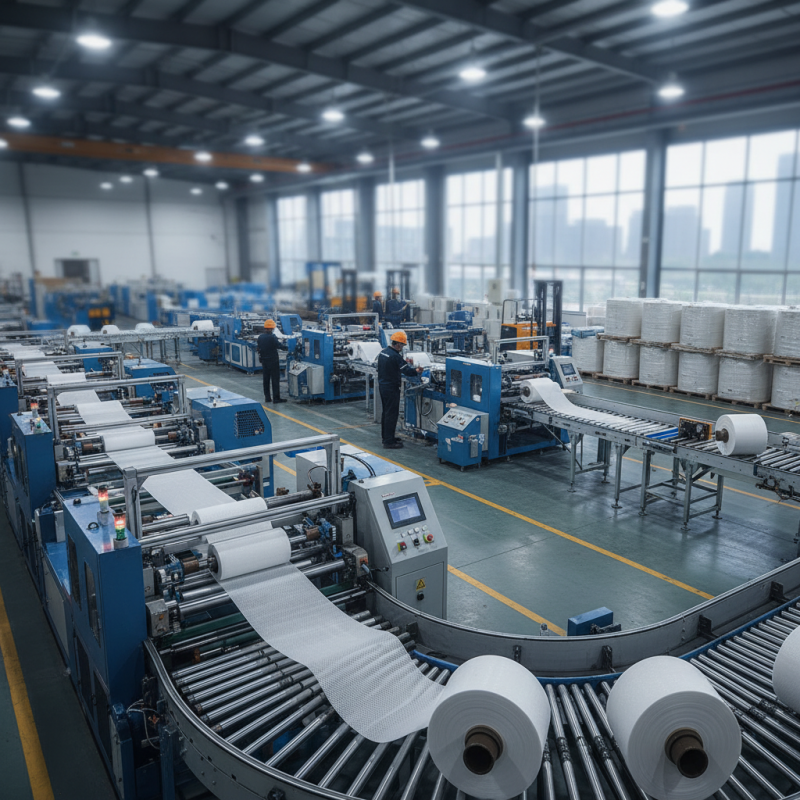
Fiberglass mesh machines are revolutionizing the manufacturing landscape. These machines produce strong, lightweight, and durable mesh that enhances a variety of products. They are essential in construction and automotive industries. According to industry reports, the global fiberglass mesh market is projected to grow by over 5% annually, showcasing increasing demand.
Key features of modern fiberglass mesh machines include high-speed production capabilities. These machines can produce large quantities within shorter time frames. Automation is another critical feature. It minimizes human error and improves efficiency. Additionally, these machines often come with customizable settings, catering to diverse specifications of different projects.
**Tips:** Regular maintenance is vital to keep machines functioning smoothly. A small oversight can lead to bigger issues. Also, understand the specifications of different mesh types fully. This understanding will prevent miscommunication during production.
Despite their advantages, using these machines requires skilled operators. Training is essential to maximize their potential. Monitoring production closely also helps identify flaws early. This proactive approach ensures high-quality outcomes in manufacturing processes.
Fiberglass mesh production has seen significant improvements in efficiency. Recent industry data highlights that modern fiberglass mesh machines can achieve production speeds of over 150 meters per minute. This marks a 30% increase compared to older models. The faster output greatly enhances capacity, allowing manufacturers to meet higher demand without compromising quality.
Additionally, output metrics show that advanced machines can produce up to 300 square meters of fiberglass mesh every hour. This impressive yield represents a leap from previous standards. However, challenges remain, such as the need for skilled operators who can manage complex machinery. Training programs are essential but often overlooked.
The initial investment in fiberglass mesh machines may seem daunting. Yet, the efficiency gains can recoup costs within a year, according to some industry reports. Still, factors like equipment maintenance and operational downtime can affect overall productivity. Balancing speed with reliability is crucial for sustainable operations. Growing pains are common in this evolution, necessitating constant introspection and adjustment in operations.
Automation in fiberglass mesh production brings notable cost savings. Labor costs are significantly reduced when machines handle repetitive tasks. With fewer workers needed, companies can lower wage expenses. This allows for reallocating resources towards innovation or quality improvement.
Material savings are also a critical aspect. Automated machines often minimize waste, as they operate with precise measurements. This precision ensures that every inch of raw material counts. Companies may find that they can decrease inventory levels due to increased efficiency.
Tips: When considering automation, evaluate the machine’s energy consumption. A machine that uses less energy can further cut costs. Also, regularly maintain machines to avoid unexpected breakdowns. This can save money on repairs and downtime. Embrace automation, but remain open to adapting processes as needed for continuous improvement.
Fiberglass mesh machines play a vital role in various industries. The strength and durability of fiberglass mesh contribute significantly to construction, automotive, and aerospace. Fiberglass mesh is lightweight yet incredibly strong. This combination is essential for heavy-duty applications.
In construction, fiberglass mesh enhances the structural integrity of walls and ceilings. It helps to resist cracks and improve overall durability. However, not all meshes are created equal. Choosing the right mesh can affect performance significantly. Testing different types can lead to better outcomes.
Tips: Consider the mesh weight for your projects. Thicker mesh provides more strength but may be heavier. Also, inspect for any defects before use. Even the slightest imperfection can lead to failures. Regular checks will ensure long-lasting performance.
In the automotive industry, fiberglass mesh is used in body panels. It increases impact resistance and creates a lightweight alternative to metal. However, the adhesives and processes must be carefully chosen. Poor selections can diminish benefits. Constant evaluation is crucial to maintain quality.
In 2023, the fiberglass mesh machine market is experiencing exciting growth. Analysts forecast significant demand across various industries. The construction sector is leading this surge. Builders increasingly rely on fiberglass mesh for its strength and durability. This material enhances project longevity and reduces maintenance costs. It's a win-win for many.
Not all companies are adapting easily to these changes. Some struggle to incorporate new technology. Traditional methods may hinder their progress. Workers need retraining to maximize efficiency. This presents challenges in the short term. However, those who embrace modern machinery will likely reap rewards.
Market trends show a growing emphasis on sustainability. Eco-friendly approaches are becoming crucial in production. Consumers favor products with lower environmental impacts. Machines that utilize less energy will have an edge. This shift might require significant investment and adaptation. Companies that invest wisely will find profitable pathways ahead. While the future holds promise, obstacles remain for those slow to innovate.