Top Benefits of Using PE Tarpaulin for Bags Are They Worth It?
In the world of bag manufacturing, the choice of materials heavily influences quality and durability. One material standing out is pe tarpaulin for bags. Renowned industry expert, Dr. Lisa Harrison, once stated, “PE tarpaulin offers unmatched protection and versatility for various bag designs.” Her insight highlights the importance of this innovative material.
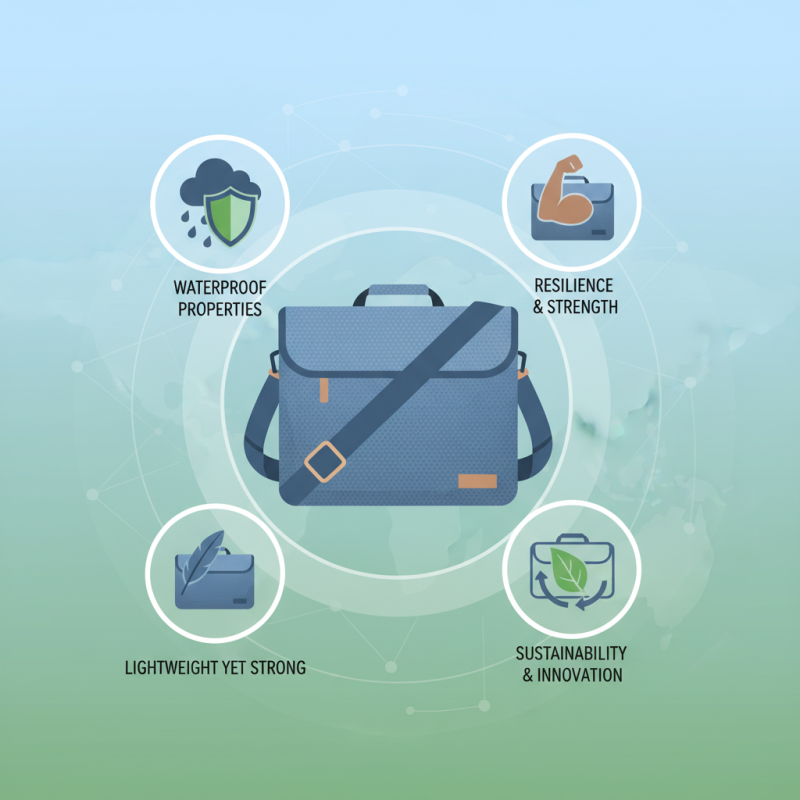
PE tarpaulin for bag construction is increasingly favored due to its waterproof properties and resilience. It withstands harsh conditions, making it ideal for both outdoor and urban environments. Moreover, it is lightweight yet strong, ensuring bags are practical for everyday use. This balance of durability and functionality impacts user satisfaction greatly.
However, some manufacturers still hesitate. Concerns about plastic waste and environmental impact linger. Addressing these issues is vital as industries evolve. Embracing sustainability while benefiting from PE tarpaulin for bags could pave the way for a more eco-friendly future. The journey to balance innovation and responsibility is ongoing.
Key Characteristics of PE Tarpaulin in Bag Manufacturing
PE tarpaulin is a popular choice in bag manufacturing, known for its impressive characteristics. This material is lightweight and durable, making it ideal for creating bags that can endure rigorous use. It resists water and UV rays, ensuring that the bags remain functional in various weather conditions. Many companies appreciate these features, as they contribute to the longevity and reliability of their products.
Another key aspect of PE tarpaulin is its versatility. It can be easily customized to various sizes and colors, allowing manufacturers to meet diverse consumer preferences. However, there are some concerns regarding the environmental impact of plastic materials. Although PE tarpaulin is strong, the recycling process is not always straightforward. This raises questions about the sustainability practices of manufacturers using it.
Furthermore, while PE tarpaulin is cost-effective, some manufacturers may overlook the importance of using recycled materials. This could affect brand reputation as consumers increasingly prefer eco-friendly options. It's vital for producers to find a balance between cost, durability, and environmental responsibility. Emphasizing these aspects can help them better align with the values of today's consumers.
Advantages of Using PE Tarpaulin for Durability and Performance
PE tarpaulin is gaining popularity for manufacturing bags due to its impressive durability and performance. This material is both water-resistant and UV-protected, making it suitable for various environments. Bags made from PE tarpaulin can withstand harsh weather conditions, ensuring that contents remain secure and dry. Unlike traditional materials, PE tarpaulin resists tearing and abrasions, extending the lifespan of the bag significantly.
The lightweight nature of PE tarpaulin is a notable advantage. It allows for easy transport without sacrificing strength. Moreover, the material is easy to clean, which is essential for maintaining hygiene, especially in outdoor settings. Despite these benefits, some users report that prolonged exposure to sunlight might cause gradual wear. Researching usage patterns is vital for maximizing durability.
In addition, the eco-friendliness of PE tarpaulin deserves attention. Many manufacturers are now focusing on recycling processes, making these bags more sustainable. Yet, the production of PE tarpaulin still involves plastic, which raises environmental concerns. Balancing durability and environmental impact remains an ongoing discussion. Users must weigh these factors carefully when choosing their bags.
Top Benefits of Using PE Tarpaulin for Bags
Cost-Effectiveness of PE Tarpaulin Bags Compared to Alternatives
PE tarpaulin bags have gained attention for their cost-effectiveness compared to various alternatives. These bags are durable and resistant to water, ensuring contents remain safe during transport. The material provides a strong barrier against environmental elements. This durability often translates to lower replacement costs over time.
When comparing prices, PE tarpaulin bags are often cheaper than canvas or nylon options. Canvas can be heavy, affecting shipping costs. Nylon might seem lightweight but can wear out quickly. The lifespan of PE tarpaulin bags makes them a financially sound choice for budget-conscious consumers. However, some might argue they lack the aesthetic appeal of fabric bags, leading to a trade-off between practicality and style.
Many users appreciate the multifunctionality of PE tarpaulin bags. They can be used for various applications, from storage to outdoor activities. However, there's a potential downside to their usage. Over time, frequent exposure to sunlight may degrade the material. Users must remain aware of this to maximize their investment. Balancing cost and functionality is key in choosing the right bag for specific needs.
Environmental Impact of PE Tarpaulin: Recycling and Sustainability
PE tarpaulin, made from polyethylene, shows promise in the sustainability sector. Its recyclable nature plays a pivotal role in reducing landfill waste. According to a study by the European Plastic Converters, around 30% of polyethylene is recycled globally. This figure, while encouraging, indicates a significant portion still ends up in landfills or oceans. The low recycling rates illustrate a need for enhanced awareness and infrastructure for PE tarpaulin recycling.
Sustainability is not just about recycling; it's also about the lifecycle of the material. PE tarpaulin products can last for years, which reduces the frequency of replacement. However, the production process has environmental consequences. Reports suggest that polyethylene production contributes to greenhouse gas emissions. Addressing these concerns requires industry-wide commitment and innovation. Investing in cleaner technologies could significantly reduce the environmental footprint of PE tarpaulin.
Moreover, while PE tarpaulin has its benefits, the recycling process isn't foolproof. Contaminants can hinder recycling efforts, leading to less effective outcomes. Depending on local facilities, recycling rates can vary dramatically. This variability complicates the narrative around sustainability. Ultimately, while PE tarpaulin presents opportunities, there are challenges that warrant reflection and action within the industry.
Versatility of PE Tarpaulin Bags in Different Industries and Applications
PE tarpaulin bags are gaining traction across various industries due to their remarkable versatility. According to recent industry reports, the global tarpaulin market is expected to reach USD 4.5 billion by 2027, driven mainly by the increasing demand for durable and weather-resistant materials. This statistic highlights the growing acceptance of PE tarpaulin in sectors ranging from agriculture to construction.
In agriculture, these bags are invaluable. They serve as durable containers for grains and fertilizers, protecting the contents from harsh weather. Studies show that using PE tarpaulin bags can reduce spoilage by up to 30%, which is significant for farmers aiming to maximize their yields. Similarly, in the construction industry, these bags are utilized for transporting tools and materials. Their lightweight and waterproof nature ensure that construction sites remain organized and dry, enhancing overall efficiency.
Despite their many benefits, there are challenges. Not all PE tarpaulin bags are created equal. Quality can vary widely, affecting durability and performance. Users must be vigilant when selecting products, as inferior options may not withstand heavy loads or extreme conditions. The reliance on PE tarpaulin in critical applications necessitates a thorough understanding of the material's properties and the context of its use. This reflection is essential for maximizing the benefits while minimizing potential drawbacks.
 English
 Español de México