2026 Best Case Sealer Options for Global Buyers?

In 2026, the search for the best case sealer options intensifies for global buyers. Choosing the right case sealer can improve efficiency and save costs. This decision is crucial for businesses across various industries.

Different models exist, each with unique features and benefits. Some are automated, while others require manual operation. Investing in a reliable case sealer enhances packaging quality and reduces waste. However, this choice is not without challenges.

Buyers must weigh price against functionality. Some sealer options may promise efficiency but fail in real-world applications. Research and expert opinions are vital in making informed decisions. Understanding specific needs can guide buyers to the best choices.
2026 Best Case Sealer Options for Global Buyers?

Overview of Case Sealing Technologies in 2026

In 2026, case sealing technologies will evolve significantly. Enhanced automation and advanced materials will play vital roles. Automated systems will increase speed and accuracy in packaging lines. This shift will positively impact production efficiency. With the rise of e-commerce, the demand for reliable case sealing will surge. Businesses must adapt to these changes.

The integration of AI in sealing processes is promising yet challenging. AI can optimize sealing methods, predict failures, and adapt in real-time. However, implementing such technologies may require substantial investment and workforce retraining. There is often hesitation to embrace new solutions, fearing disruption in workflow.

Sustainability will also be a driving force for case sealing innovations. Eco-friendly materials for seals will be in high demand. Companies may struggle to balance cost and environmental impact. Finding effective solutions will require collaboration across industries. Exploring new options is crucial, but it must be done thoughtfully.

Key Features to Consider When Choosing a Case Sealer

When selecting a case sealer, understanding key features is crucial. Look for automation levels. Automated systems save time. They reduce labor costs but might increase initial investment. Manual sealers may seem economical, yet they require more personnel. This balance impacts long-term efficiency.

Consider sealing technology. Hot-melt glue sealers provide strong adhesion. However, they may not suit every package type. Taping machines offer flexibility but can struggle with heavier loads. Evaluate your product requirements before making a choice.

Durability and maintenance are essential factors. A sturdy machine reduces downtime. Maintenance schedules should be easy to follow. Frequent repairs can negate cost savings. Lastly, assess the machine’s compatibility with your workflow. Poor integration can lead to bottlenecks. This thoughtfulness fosters a more reliable sealing process.

Top Brands and Their Best-Selling Models for Global Buyers

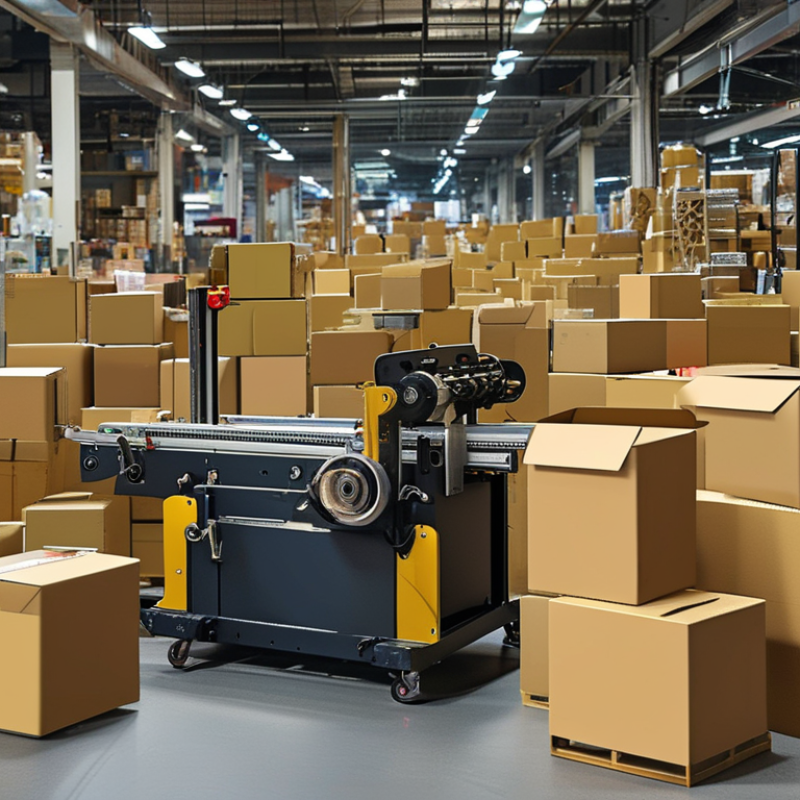
In 2026, the market for case sealers is set to grow significantly. Global buyers are searching for reliable options. Case sealers are vital in packaging industries. They improve efficiency and reduce labor costs. When reviewing top brands, several models stand out. Each offers unique features that cater to various packaging needs.

One noteworthy option is a model designed for high-speed operations. This equipment can seal multiple boxes per minute. It's perfect for busy warehouses. Another model shines with its versatility. It accommodates different box sizes without needing adjustments. Users often appreciate its user-friendly interface. However, some find the learning curve steep at first.

Reliability is crucial in choosing a case sealer. A compact design can save space in warehouses. Buyers want machines that minimize downtime. Maintenance requirements can also vary across brands. Generally, user reviews highlight durability as a key factor. New buyers should assess long-term costs versus initial investments. Balancing efficiency with cost is essential for global competitors.

2026 Best Case Sealer Options for Global Buyers

Comparative Analysis of Manual vs. Automatic Case Sealers

In the world of packaging, case sealers play a crucial role in ensuring products are securely closed. Choosing between manual and automatic sealers depends on specific needs. Manual sealers are often more affordable and easier to operate. They require less maintenance and can be ideal for low-volume operations. However, they can be labor-intensive and may lead to inconsistent sealing quality over time.

On the other hand, automatic case sealers offer higher efficiency. They perform faster and require minimal human intervention. This can reduce labor costs in larger operations. However, they often come with a higher initial investment and complexity in setup. For businesses with fluctuating demands, the flexibility of manual sealers might be more practical.

Tips: Consider the volume of products you seal. If your production fluctuates, flexibility could be key. Evaluate the total cost of ownership, not just the purchase price. Regular maintenance of your machines is critical to ensure longevity. Balancing speed and quality is essential in the decision-making process. Reflect on your workflow to understand what type of sealer fits your needs best.

2026 Best Case Sealer Options for Global Buyers

Type Seal Width (inches) Speed (cases per minute) Price Range (USD) Operating Mode Best For
Manual 2-4 5-10 $100 - $400 Manual Operation Small Businesses
Automatic 3-6 20-50 $1,000 - $5,000 Automated Operation Medium to Large Enterprises
Semi-Automatic 4-6 10-20 $500 - $1,500 Semi-Automated Operation Growing Businesses
Customized 2-8 15-30 $2,000 - $10,000 Customizable Settings Specialized Industries

Market Trends and Innovations in Case Sealing Solutions

The case sealing market is experiencing significant innovations. According to a report by Research and Markets, the global case sealing equipment market is projected to grow at a CAGR of 5.2% from 2021 to 2026. This growth is driven by increasing demand for automation and efficiency in packaging operations. Companies are continually exploring new technologies such as robotic sealers and smart machinery. These advancements are redefining traditional case sealing methods.


Sustainability is another crucial factor influencing market trends. Many companies are seeking eco-friendly sealing materials. A study by Smithers Pira highlights that sustainable packaging will account for 33% of the market by 2025. This shift is prompting manufacturers to rethink their strategies. While there is significant progress, achieving a balance between efficiency and eco-friendliness remains a challenge. The industry must navigate the fine line between cost-effectiveness and sustainable practices.


Operational challenges also persist in adopting new technologies. Not all businesses are equipped to transition smoothly. Training staff becomes vital as new techniques and equipment are introduced. Inconsistent implementation can hinder overall productivity. The focus on innovations in case sealing solutions is promising, yet it requires careful consideration of these hurdles to fully realize their potential.