In the rapidly evolving world of packaging, choosing the right Flexible Packaging Film is crucial. Experts like John Smith, a leading figure in the packaging industry, emphasize, "The right film can significantly enhance product shelf life." This underscores the importance of selecting the appropriate materials for your unique needs.
Flexible Packaging Films offer a range of options, including biodegradable and recyclable materials. These innovations cater to sustainability demands. Many companies still struggle with material choice, adapting to both market trends and environmental pressures. It's essential to reflect on how decisions can impact product quality and brand reputation.
As you evaluate your flexible film options, consider the specific requirements of your products. Not all films perform equally under various conditions. A thoughtful approach ensures the packaging doesn’t just protect but also promotes. Balancing quality with sustainability is a challenge worth facing in today’s market.
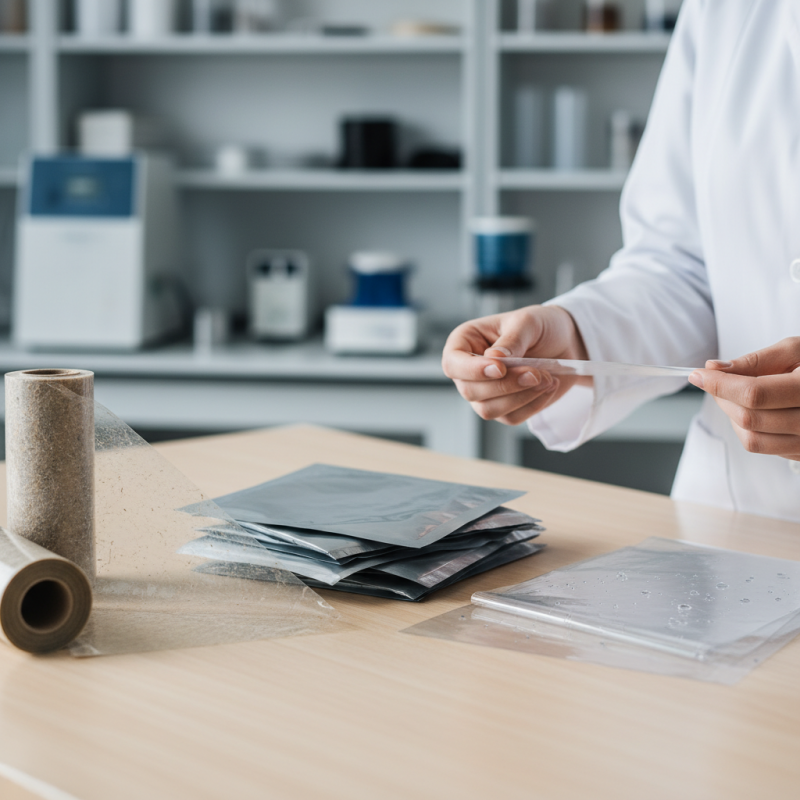
Flexible packaging films are crucial in various industries, including food, pharmaceuticals, and consumer goods. These films provide better shelf life and protection for products. A recent report indicated that the global flexible packaging market reached approximately $250 billion in 2021. This market is expected to grow at a compound annual growth rate of around 4.5% through 2028.
Understanding different types of flexible packaging films is essential. Common options include polyethylene, polypropylene, and polyester films. Each material has unique properties that cater to specific applications. For instance, polyethylene is highly versatile and moisture-resistant. However, it may lack the barrier properties of more specialized films. Companies must choose wisely based on their needs and product requirements.
Sustainability is a growing concern in this sector. Many manufacturers are now exploring biodegradable and recyclable films. A study revealed that 30% of consumers prefer sustainable packaging. Yet, many flexible packaging solutions still rely heavily on plastics. Finding the right balance between functionality and environmental impact remains a challenge for the industry. Addressing these issues requires innovation and a commitment to responsible production practices.
Flexible packaging films come in various materials, each with unique properties that cater to different needs. Common types include polyethylene (PE), polypropylene (PP), and biodegradable options. PE is popular for its moisture resistance. It often provides good seal strength. PP offers a higher tensile strength, making it ideal for products needing durability. Interestingly, the global flexible packaging market was valued at around $250 billion in 2022, with a projected growth rate of 4.4% annually.
Biodegradable packaging films are gaining traction as sustainability becomes a priority. They are often made from plant-based materials, addressing environmental concerns. Yet, they may not always provide the same barrier properties as traditional plastics. For instance, they may struggle with oxygen and moisture barrier capabilities. According to a recent report, while 50% of consumers prefer eco-friendly options, many companies still face challenges in balancing cost and performance.
Understanding these materials is critical for choosing the right flexible packaging. Requirements will vary greatly depending on the product. Businesses must consider aspects like shelf life, product protection, and environmental impact. There’s often a trade-off between performance and sustainability. Some flexible films offer extraordinary barrier protection but may not be biodegradable, which leads to tough decisions for manufacturers.
| Film Type | Material | Properties | Applications |
|---|---|---|---|
| Polyethylene (PE) | Low-Density Polyethylene (LDPE) | Durable, moisture-resistant, flexible | Food packaging, grocery bags |
| BOPP Film | Biaxially Oriented Polypropylene | High clarity, good barrier properties | Candy wrappers, snacks packaging |
| PET Film | Polyethylene Terephthalate | Strong, heat-resistant, good gas barrier | Labels, shrink sleeves |
| PLA Film | Polylactic Acid | Biodegradable, compostable, renewable | Eco-friendly packaging solutions |
| CPP Film | Cast Polypropylene | High transparency, low odor | Food packaging, pouches |
When selecting flexible packaging films, several key factors come into play. Material composition is crucial. Films can be made from various plastics, such as polyethylene or polypropylene. Each type offers different properties. Some are more durable, while others provide better barrier protection against moisture and oxygen.
Another important aspect is the intended use of the packaging. Will it hold food, cosmetics, or another product? This decision affects the film thickness and sealing methods required. For instance, food packaging often needs high barrier properties. This ensures products remain fresh longer. On the other hand, cosmetic packaging may prioritize aesthetics and brand visibility.
It’s also essential to consider sustainability. Many consumers prefer eco-friendly options. However, not all flexible films offer the same environmental advantages. Making a choice can be overwhelming. Sometimes, the perfect film for one requirement may lead to shortcomings in another area. Balance is key. Each selection represents a trade-off between durability, cost, and ecological impact.
When selecting flexible packaging films, several options stand out. Polyethylene, known for its durability, is common in food packaging. It offers moisture resistance, making it ideal for perishables. However, it is not always the best choice for high-barrier requirements.
On the other hand, laminates combine different materials to enhance strength and shelf life. They can be tailored for specific products but may lead to recycling challenges. Additionally, biodegradable films are gaining popularity. They promise environmental benefits, yet their performance can sometimes be inconsistent.
Each option has its trade-offs. Some may excel in protection but fall short in sustainability. Others might be eco-friendly but lack the necessary durability. Understanding these nuances is essential. Evaluating your priorities is crucial to making the right choice for your packaging needs.
Sustainability is a key trend in flexible packaging film solutions. As consumers become more environmentally conscious, companies are exploring eco-friendly options. This shift affects materials used and manufacturing processes. Plant-based films and biodegradable options are gaining traction. These choices often reduce plastic waste significantly.
Tips: Consider your product's needs. Are you prioritizing shelf life or sustainability? Balance is crucial. Experiment with different materials to find what works for you. Always assess how your packaging choices impact the environment.
The industry faces challenges. While sustainable options are emerging, they may not always meet traditional performance standards. Some biodegradable films might not protect products as well as conventional ones. It requires careful evaluation and sometimes compromise.
Tips: Engage with suppliers to understand the latest developments. Stay informed about innovations in sustainable packaging. Revisit your options regularly, as advancements occur rapidly.