In the realm of food safety, Food-Grade Packaging stands out as a crucial element. Renowned expert Dr. Emily Tran, a leading authority in sustainable packaging, emphasizes, “Choosing the right food-grade packaging ensures the integrity and safety of our food.” This quote highlights the importance of making informed choices in food packaging.
Food-Grade Packaging protects food from contamination and preserves freshness. Many materials, such as glass, certain plastics, and metals, can be safe options. Each material has its own benefits and flaws. For instance, while plastic is lightweight and cost-effective, concerns over chemical leaching arise.
Consumers face a complex landscape. They must navigate eco-friendliness, safety, and usability. Some might overlook the potential risks of low-quality packaging. Trusting the label is not always sufficient. It’s essential to research and ask questions about food-grade packaging choices. By doing so, we can make smart decisions that benefit our health and the planet.
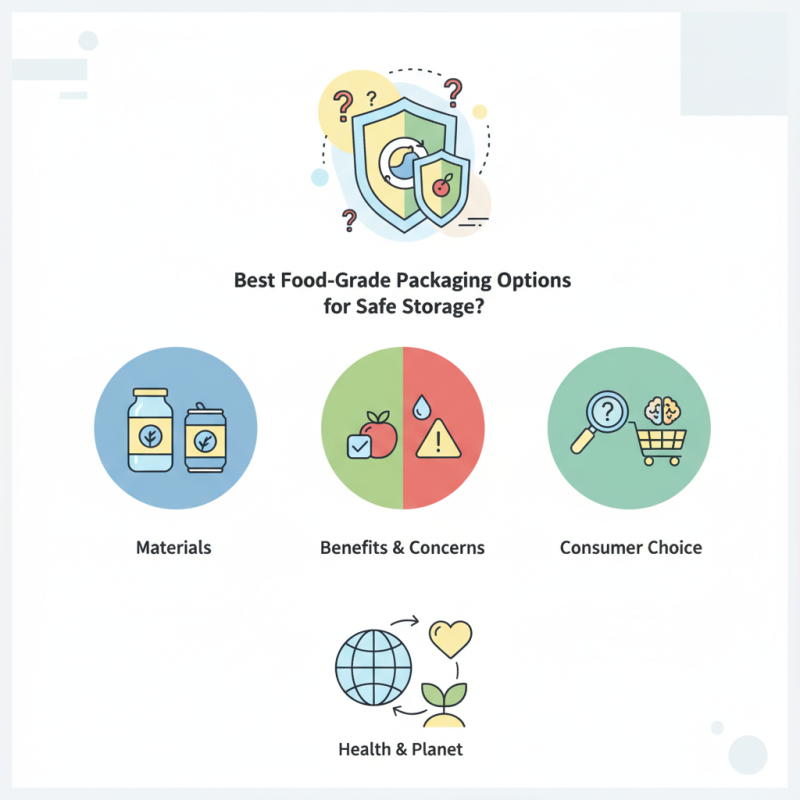
Food-grade packaging is essential for safely storing edible items. It is designed to keep food fresh and free from contaminants. Understanding what qualifies as food-grade material is crucial for consumers and businesses alike. These materials prevent chemical leaching and ensure that food remains safe for consumption.
Many options exist for food-grade packaging. Materials like glass, certain plastics, and metals are reliable choices. They should be non-toxic and resistant to moisture. Tips for selecting packaging include checking for certifications. Look for information on recycling and eco-friendliness. Avoid using containers that cannot withstand temperature changes.
Be cautious about reusing packaging, as it may harbor bacteria. Regular inspections of your storage products can prevent spoilage. Keep items in sealed containers; this minimizes air exposure and prolongs freshness. Observing food safety practices is vital. Mistakes can lead to foodborne illnesses and waste.
| Packaging Type | Material | Applications | Benefits |
|---|---|---|---|
| Plastic Containers | Polyethylene, Polypropylene | Storage of dry goods, liquids | Lightweight, durable, moisture-resistant |
| Glass Jars | Glass | Preserved foods, sauces, jams | Non-reactive, preserves flavor, recyclable |
| Aluminum Foil | Aluminum | Wrap sandwiches, leftovers | Lightweight, easy to use, protective barrier |
| Cardboard Boxes | Recycled paperboard | Dry foods, bulk items | Eco-friendly, customizable, good insulation |
| Vacuum Sealed Bags | Multi-layer plastic | Meats, cheeses, vegetables | Extended shelf life, reduces spoilage |
When it comes to food-grade packaging, several materials stand out for their safety and effectiveness. Glass is a classic choice. It is non-reactive and keeps food fresh. Glass jars can be reused many times, minimizing waste. However, they can break easily, leading to safety concerns.
Plastic is another option, often used for its lightweight and versatile nature. Many types of food-grade plastics, like polyethylene, are recyclable. Yet, some plastics may leach chemicals if heated. Using BPA-free products is advisable. It’s important to choose the right type of plastic.
Paper and cardboard also offer eco-friendly solutions. They are biodegradable and can be recycled. However, they may not protect against moisture as well as other materials. Finding the right balance between sustainability and durability can be challenging. Each material has advantages and drawbacks. Careful consideration is necessary to ensure food safety.
Choosing safe food packaging options is crucial for health. Several key factors come into play. One significant factor is material safety. Materials like polyethylene and polypropylene are often considered safe for food contact. According to a report by the Food Packaging Association, over 70% of consumers prioritize packaging materials that do not leach harmful substances.
Another important consideration is the packaging's ability to protect food quality. Food packaging should shield contents from light, air, and moisture. Studies show that proper packaging can extend shelf life by up to 50%. Yet, not all materials are equally effective. Some biodegradable options may not provide the same level of protection.
Tips: Always check for certifications. Look for labels indicating BPA-free or FDA-approved materials. These certifications help ensure safety. Also, consider reusability. Reusable packaging can reduce waste and environmental impact while keeping food fresh.
The aesthetics of packaging can be deceiving. Bright colors and appealing designs do not guarantee safety. Many attractive packages use harmful inks or coatings. Staying informed is essential. Regularly review updates in food packaging regulations to make safe choices.
Innovations in food-grade packaging are crucial for ensuring safe storage. The global food packaging market is projected to reach $500 billion by 2024, reflecting the demand for safer options. Recent developments focus on biodegradable materials. These materials offer a significant reduction in environmental impact while maintaining food safety.
Recent studies show that packaging innovations can reduce food spoilage by 30%. Active packaging, which interacts with food, enhances freshness. This technology includes oxygen scavengers and moisture regulators. However, the effectiveness of these materials varies. Not all innovations are tested rigorously. Packaging integrity can still be compromised during transport.
Some companies are exploring smart packaging solutions. This includes sensors that monitor freshness and temperature. While promising, smart packaging also faces challenges. Data privacy issues arise from the use of such technologies. Still, the benefits of improved safety and quality are evident. As the industry evolves, more research is needed to address these challenges effectively.
When it comes to food safety, proper packaging plays a crucial role. Using food-grade materials ensures that your edibles remain uncontaminated. A variety of options are available, including glass containers, vacuum-sealed bags, and food-safe plastics. Each type offers unique benefits for different food items. For example, glass is great for acidic foods, while vacuum-sealed bags work wonders for meats and herbs.
Storing food in the right conditions is just as important. Keep your packaged items in a cool, dry place to prevent spoilage. Avoid direct sunlight and high humidity levels. It's also crucial to label packages with dates. This simple practice helps you track freshness. However, we often forget about cross-contamination. It's vital to maintain cleanliness while handling these packages. Broken seals or damaged containers can ruin your food safety efforts.
Remembering to check packages regularly is key. Sometimes you may find unexpected signs of spoilage. Relying solely on packaging isn't enough. It's essential to remain vigilant and conscious of food storage habits. Reflecting on your storage practices can lead to better food safety. Striving for improvement can make all the difference in preserving the quality of your food.