In 2026, the best Paper Boxes are not simply the ones with the cleanest print or lowest unit price. They protect the product, suit the shipping route, and avoid unnecessary material. A small candle in a deep box can rattle against the walls; a heavier jar may need stronger board and a snug insert. Details matter. Packaging researcher Susan Selke’s work offers a useful principle, paraphrased here rather than presented as a verbatim quotation: “Assess a package by its protection, material use, and full life cycle.” That is a sensible place to start.
This guide compares box styles for ecommerce, retail shelves, subscriptions, and product gifting. It looks at corrugated mailers, folding cartons, rigid boxes, and custom inserts, while weighing durability, presentation, storage, and order quantities. A bright finish may look premium under store lighting but add cost without helping a parcel survive a rough journey. And no single box wins every time. Businesses should check board strength, dimensions, packing speed, and supplier samples against real products. Ask how recycled content is documented, and check whether local recovery systems accept the chosen materials. These details can vary by location. Some choices still involve compromise: stronger protection can mean more material, while lighter packaging may need better product testing. We will identify the trade-offs, not pretend they disappear. The practical aim is a box that arrives intact, fits the brand, and makes sense for the business.
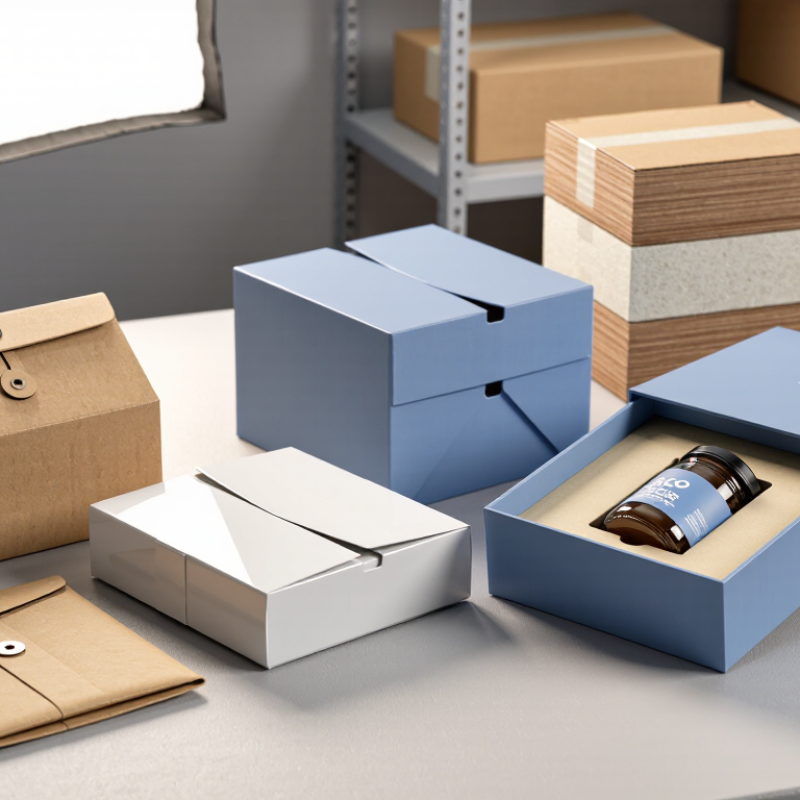
Paper boxes are packaging made mainly from paperboard or corrugated fibreboard. Folding cartons suit lightweight retail goods, while corrugated boxes use fluted layers to protect heavier items during storage and delivery. Businesses also use paper boxes for subscription orders, takeaway meals, product samples, and in-store displays. Size, board strength, and internal dividers should match the product, not just the shipping label. A snug fit can reduce movement. That is the job.
The numbers show why box design matters. The U.S. Environmental Protection Agency’s 2018 Facts and Figures report recorded a 80.9% recycling rate for paper and paperboard containers and packaging. The American Forest & Paper Association reported that more than 93% of U.S. corrugated boxes were recycled in 2022. These figures describe different measures, but both point to established recovery systems. A recyclable box is not automatically a good choice, though. Oversized packaging uses more material, and mixed materials can make sorting harder. A simple box may be the better option. It can also look plain. For business buyers, testing a packed box for stacking, moisture exposure, and corner damage can reveal problems that a desk review misses. A short trial shipment is imperfect, but useful.
Paper box performance starts with the material, not the print. Kraft paperboard has a natural, slightly textured look and suits lightweight goods. Coated paperboard gives colors sharper edges, but its smooth surface can show scuffs. Corrugated board adds cushioning through its fluted middle layer. It is useful for shipping, though it can look bulky on a retail shelf. Rigid board feels substantial and holds its shape, but needs more storage space.
Style should match how customers open and handle the product. Tuck-end cartons work for many small retail items and fold flat before assembly. Mailer boxes close with built-in flaps, making packing straightforward and reducing the need for separate outer cartons in some cases. For fragile products, a fitted insert can limit movement. Check the insert with the actual item; a neat-looking sample may still leave too much room.
Construction details matter. Clean scores help panels fold without cracking, while well-placed glue points keep corners from loosening during handling. Ask for a sample made with the intended material and dimensions, then fill it and test the closure. A box that survives a desk test may behave differently in transit. There is no perfect choice, and shipping strength is easy to underestimate. A lighter board may save space, but only if the packed product remains protected.
How to Evaluate Paper Boxes for Business Requirements
The best paper box is not simply the thickest one. Match its size and structure to the product, shipping route, and storage conditions. Measure the packed item, including padding, then leave enough room to prevent movement without paying to ship excess air. For heavy or fragile goods, request samples and test filled boxes for corner damage, closure strength, and stacking stability. A box that looks sturdy on a desk can fail after a damp warehouse night. I learned that the hard way. The American Forest & Paper Association’s 2023 recycling report estimates that 65–69% of paper consumed in the United States was recycled. That national figure does not guarantee that a coated or laminated box will be accepted locally.
Compare total cost, not just the quoted price per box. Include printing, setup, storage space, minimum order quantities, and damage-related replacements. The U.S. Environmental Protection Agency’s 2018 materials report recorded a 68.2% recycling rate for paper and paperboard; this category-wide result is useful context, not a box-specific promise. Check whether inks, coatings, and adhesives affect local recycling options. Ask suppliers for material specifications and transit-test results, then test a small batch under real handling conditions. It takes time. And even a good test cannot perfectly reproduce every delivery route.
For shipping, choose paper boxes that match the product’s weight, shape, and journey. A snug fit limits movement, while sturdy corrugated walls help protect items from bumps and stacked parcels. Add paper padding around fragile corners, but avoid filling a large box with excess material. Fit matters more. Test a sample with the actual product before ordering in bulk; a box that looks strong can still crush when poorly packed. Recycled content may suit many shipments, though moisture exposure and heavy loads can affect performance.
Retail boxes have a different job. They need clean edges, consistent sizing, and a surface that prints clearly under store lighting. Folding cartons work well for lightweight goods, while thicker paperboard gives a more substantial feel. Food needs care. For takeaway meals or bakery items, select boxes made for the food and its temperature, and confirm any coating is appropriate for direct contact. Grease-resistant paper can help with pastries, but it may not suit every hot or moist dish. That adds up. Ask suppliers for material specifications and test boxes with real portions, including during the expected holding time. I’ve seen packaging chosen for appearance alone; it looked polished, but softened quickly under steam. A small trial can reveal that weakness before it affects daily service.
| Paper Box Option | Typical Construction | Best Suited For | Protection and Shipping | Food Packaging Suitability | Key Advantages | Considerations |
|---|---|---|---|---|---|---|
| Corrugated shipping box | Two flat linerboards with a fluted paper medium between them; single-wall construction is common for general parcels. | E-commerce orders, wholesale shipments, and products needing outer-pack protection. | Good impact and stacking protection when the box is correctly sized and rated for the load. Often suitable for parcel shipping. | Generally used as secondary packaging. Direct food contact requires suitable food-contact materials and compliance with applicable rules. | Versatile, widely available, and easy to close with tape or paper-based sealing materials. | Choose board strength and box size for product weight, shipping conditions, and stacking needs; excess empty space can increase damage risk. |
| Corrugated mailer box | Folded corrugated board with integral flaps and tabs; commonly supplied as a self-locking box. | Small retail goods, subscription shipments, books, and presentation-focused e-commerce orders. | Offers more structure than a paper envelope, but may need internal cushioning for fragile items or long-distance transit. | Usually appropriate as an outer package rather than as direct-contact food packaging. | Assembles without a separate lid and can provide a tidy, branded-ready presentation without requiring a printed design. | Closure strength and fit vary by design; confirm that the selected construction suits the product weight and shipping route. |
| Paper padded mailer | Paper outer layers with a cushioning layer, which may be paper-based or another material depending on the product. | Flat, lightweight, non-fragile items such as documents, soft goods, or certain accessories. | Provides limited cushioning and edge protection. Not a substitute for a box when goods are fragile, rigid, or easily crushed. | Not generally intended for direct food contact. | Lightweight and space-efficient for products that do not need rigid protection. | Check the cushioning material and local recycling guidance; mixed-material designs may be harder to recycle together. |
| Folding carton | Creased paperboard shipped flat and folded into a carton, commonly with tuck-in or glued closures. | Retail products, cosmetics, dry goods, and inner packaging placed inside a shipping box. | Good for product organization and shelf presentation, but usually offers less transit protection than corrugated board. | Can be used for food when the board, inks, coatings, and any inner barrier are suitable for the intended food contact. | Stores flat before assembly and supports clear labeling and printed product information. | For parcel shipping, it commonly needs an outer carton or other protective packaging. |
| Rigid paperboard box | Thick, non-collapsible paperboard walls, often wrapped with printed or decorative paper. | Gift sets, premium retail goods, keepsakes, and products where presentation is important. | Sturdy shape helps protect contents from compression, though fragile products may still require inserts or cushioning. | Typically used as secondary packaging; direct food contact requires an appropriate food-contact design. | Strong structure and a substantial feel can support a high-quality unboxing experience. | Usually takes more storage and transport space than flat-packed cartons and may use multiple materials. |
| Paperboard food carton | Folded paperboard carton, sometimes paired with a barrier layer or inner liner. | Dry foods and selected packaged foods, depending on the barrier and closure design. | Provides shape and handling protection but is not automatically leakproof or moisture-resistant. | Suitable only when materials and coatings are designed for the food type, contact conditions, and applicable food-contact requirements. | Lightweight and convenient for labeling, portioning, and retail display. | Grease, moisture, and aroma barriers may be needed. Coatings or laminates can affect recyclability and should be checked against local facilities. |
| Kraft takeaway box | Folded kraft paperboard, sometimes with a functional barrier or a separate lining. | Takeaway meals, bakery items, and other foods when the specific box is designed for the food and service conditions. | Suitable for carrying many prepared foods, but performance depends on the closure, barrier, temperature, and food moisture or oil content. | Use a food-contact-compliant design; confirm suitability for hot, oily, or wet foods rather than relying on appearance alone. | Practical for food service and can be supplied in fold-flat formats. | Paper packaging can soften with steam or liquid. Check ventilation, leak resistance, and local disposal options. |
| Molded fiber protective insert or tray | Shaped fiber pulp formed into a tray, end cap, or cushioning component. | Protecting products inside a shipping carton, including items that need shaped support or separation. | Can cushion and hold products in position; performance depends on the molded shape, fiber properties, and package design. | Some products are designed for food use, but food-contact suitability must be verified for the specific item. | Can replace some plastic cushioning components and can be shaped around a product. | It is usually an insert rather than a complete shipping box; confirm fit, moisture tolerance, and local recycling or composting requirements. |
Selection note: Packaging performance depends on board grade, dimensions, closure, product weight, handling, and shipping conditions. For food use, verify food-contact suitability and required barrier performance for the specific application. Recyclability varies by material construction and local collection facilities.
For businesses choosing paper boxes in 2026, sustainability means more than selecting recyclable board. Right-sized boxes can reduce unused space, filler, and shipping volume. Recycled content may help, but heavy coatings or mixed materials can complicate recovery. The American Forest & Paper Association reported a 93.6% U.S. recovery rate for corrugated boxes in 2022. That is a strong benchmark, not a guarantee that every box gets recycled. Local collection systems matter.
Cost and customization need to work together. Trivium Packaging’s 2023 Global Buying Green Report found that 82% of surveyed consumers said they would pay more for sustainable packaging. Intent is not a sale. Businesses still need to compare board grade, box dimensions, print coverage, and order quantities. A close-fitting mailer with a simple insert may protect a product while using less material. Custom printing can add shelf appeal, but extra colors and finishes can raise costs. Small runs are useful for testing designs; they may also carry a higher unit price. That trade-off deserves a real quote, not a guess.
A sustainability benchmark for choosing packaging materials, alongside cost and customization needs.
Paper and cardboard packaging had an 82.5% recycling rate in the EU in 2022, making it a strong option for businesses prioritizing recyclability. This rate is not a measure of box cost or performance: compare board strength, shipping protection, print requirements, and order quantities when selecting a box. Source: Eurostat, packaging waste recycling rates by material, 2022.