Case Packer Tips for Optimizing Your Packaging Process?
In today's fast-paced packaging industry, optimizing your process is crucial. Case packers play a vital role. A well-functioning case packer can increase efficiency by up to 25%, according to recent studies. With rising demands, brands cannot afford delays. In fact, the global packaging market is projected to reach $1 trillion by 2024.
However, many companies overlook maintenance. Regular checks can prevent failures that halt production. A malfunctioning case packer can cost businesses thousands in downtime and lost revenue. Understanding the intricacies of these machines is essential.
Improving your case packing process requires attention to detail. Analyze your workflow and identify bottlenecks. Automation is an option, but it’s not always the right solution for everyone. Some businesses may find that technology overwhelms their current setup. The key lies in balancing automation with human oversight for optimal outcomes. Ultimately, reflecting on your case packing strategy can lead to significant improvements and cost savings.
Understanding the Role of Case Packers in Packaging Efficiency
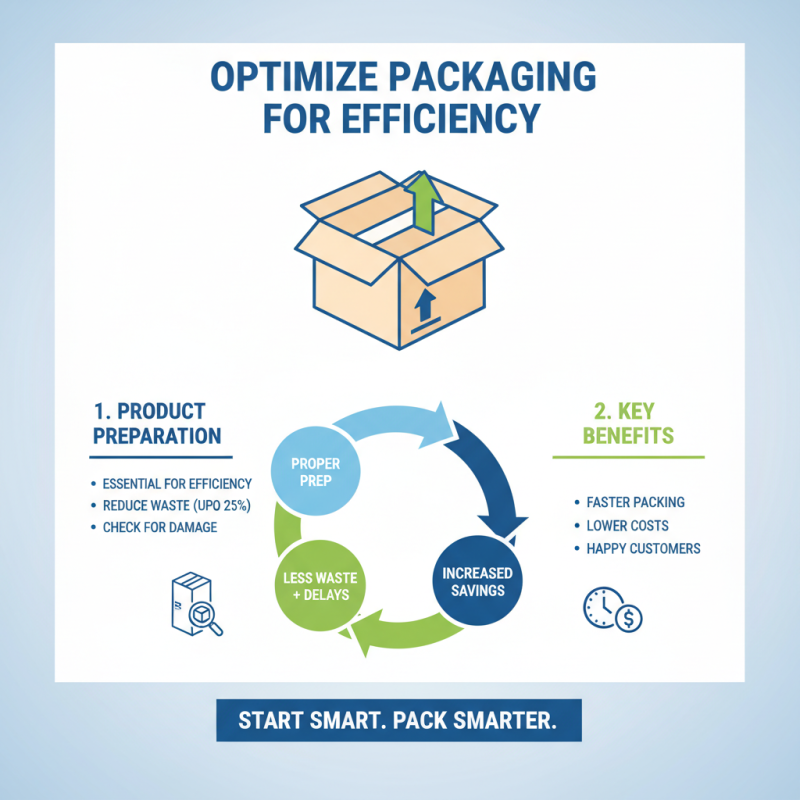
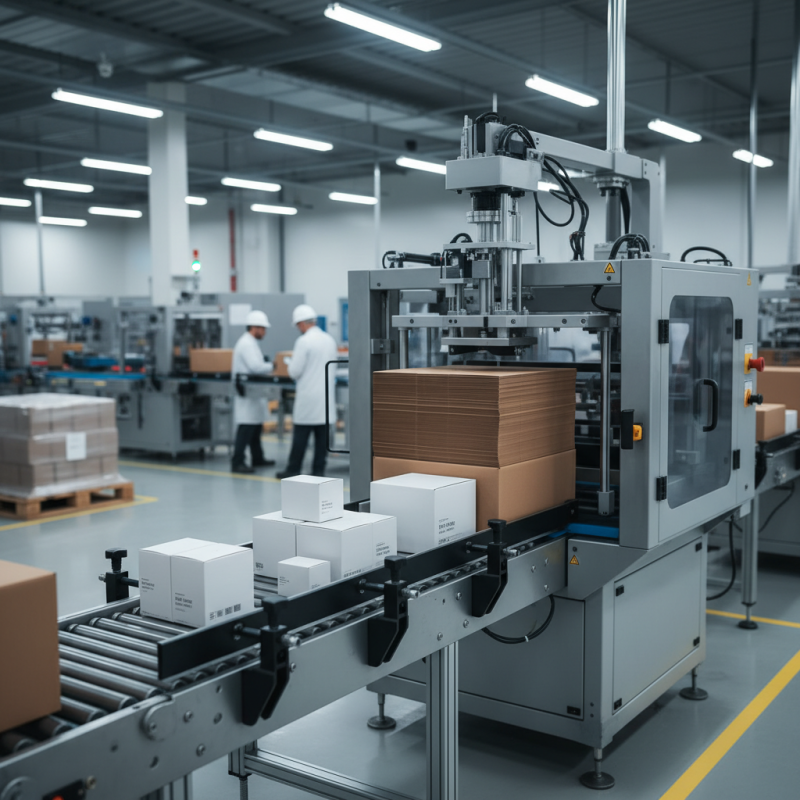
Case packers play a pivotal role in enhancing packaging efficiency across various industries. They automate the packing of products into cases, reducing manual labor and speeding up the process. According to a report by PMMI, The Association for Packaging and Processing Technologies, companies can achieve up to 25% increase in throughput by integrating automated case packers into their operations.
Optimizing your packaging process involves more than just the machinery. It's essential to analyze your workflow. Check for bottlenecks regularly. Identify where slowdowns occur and address them. Also, ensure that your team is trained properly. Undertrained staff can hinder operations and reduce efficiency.
Here are some tips. Simplify the packing layout. A well-organized workspace enhances speed and minimizes errors. Use the right materials for your products. Poor choices can lead to damaged goods. Monitor performance metrics continuously. Assess the impact of changes made to the process. This continuous evaluation helps identify areas for improvement. Sometimes, even small adjustments can lead to significant enhancements in efficiency.
Key Factors for Selecting the Right Case Packer for Your Needs
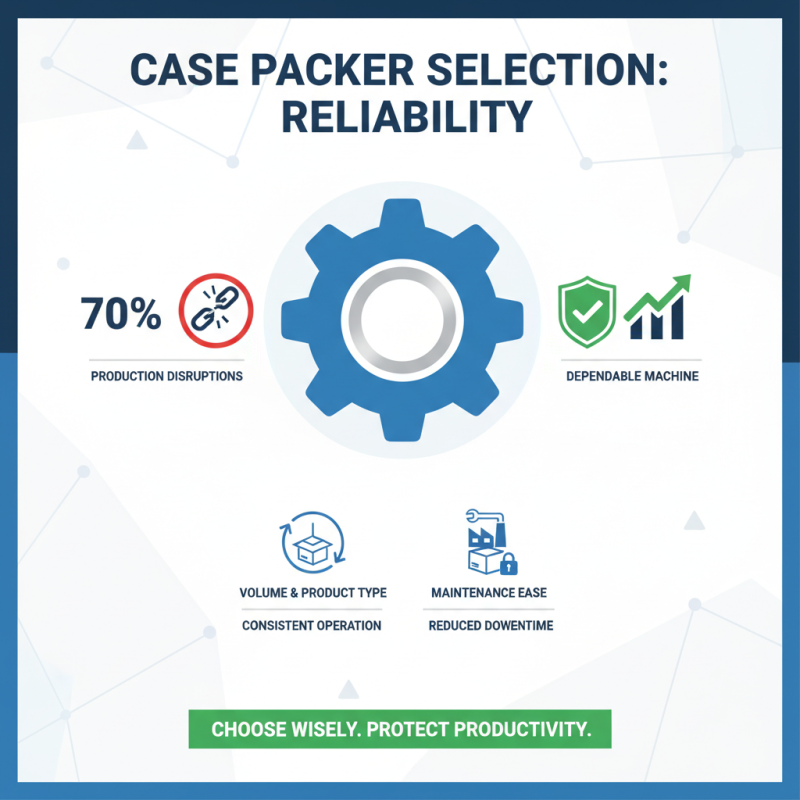
When selecting the right case packer for your packaging needs, consider several key factors. Reliability is paramount. According to industry reports, 70% of production disruptions stem from packaging equipment failures. This highlights the need for a dependable machine that can handle your specific volume and product type.
Speed is another vital consideration. Packaging efficiency can significantly impact overall productivity. For example, a plant running at 85% efficiency sees up to a 20% drop in profitability. Thus, understanding your production rate and aligning it with the packer’s speed is critical.
Here are some tips for selecting a case packer. First, evaluate the size and type of products you package. Ensure your equipment can accommodate various dimensions and weights. Additionally, investigate the ease of changeovers. A machine that can switch quickly between products saves time and reduces downtime. Finally, always review the total cost of ownership. A cheaper upfront price tag may lead to higher maintenance costs down the line. Balancing initial investments with long-term performance is essential for effective packaging operations.
Common Challenges in Case Packing and How to Overcome Them
Case packing is often riddled with challenges that can affect efficiency. One common issue is misalignment of cases on the packing line. This can lead to delays. Workers often struggle to adjust cases manually, which wastes time. Regular equipment maintenance can help prevent this. Training staff to quickly identify misalignment is crucial.
Another challenge is the variation in box sizes. Inconsistent dimensions create packing problems. When boxes are too small or too large, it leads to product damage. To overcome this, standardize box sizes where possible. Analyze your product range and adapt your packaging workflow to minimize size variation. This requires a bit of reflection on past errors and adjusting how products are packed.
Finally, consider the pace of the packing process. Packing too fast can lead to errors, while going too slow causes bottlenecks. Finding the right balance may take time. Monitor performance regularly and adjust speeds accordingly. Engaging your team in conversations about packing speed can reveal valuable insights. It’s essential to create an environment where feedback is appreciated and acted upon.
Case Packer Tips for Optimizing Your Packaging Process
| Challenge |
Impact |
Solution |
Best Practices |
| Inefficient Packing Layout |
Increased handling time and costs |
Analyze flow and redesign layout |
Use a flowchart to visualize processes |
| Inconsistent Case Size |
Higher product damage rates |
Standardize case dimensions |
Implement quality checks for incoming materials |
| Underutilization of Equipment |
Decreased throughput |
Regular equipment assessments |
Train staff on optimal machine operation |
| Poor Communication |
Delays and errors in the packing process |
Implement a communication platform |
Hold regular team meetings |
| Lack of Automation |
Slow packing speed |
Invest in automated packing solutions |
Evaluate ROI of automation |
Strategies to Maintain and Optimize Equipment Performance
Maintaining and optimizing equipment performance is crucial in packaging processes. A recent industry report highlighted that 80% of machinery failures result from lack of regular maintenance. Regular checks can prevent costly downtime. Operators should develop a routine inspection schedule. This practice increases efficiency and reduces waste.
Training staff on equipment use is often overlooked. According to the World Packaging Organization, poorly trained staff can lead to a 30% decrease in production efficiency. Quick, on-the-job training sessions can make a significant difference. Employees should be familiar with machinery features before operating them. Empowering staff encourages them to take ownership of equipment care.
Data suggests that optimizing settings can increase productivity. Many machines have adjustable speed settings. Fine-tuning these can enhance output. Yet, adjustments need testing to avoid errors. The risk of machinery stress is real. Operators sometimes forget that over-optimizing can lead to breakdowns. Balancing speed with equipment capability is essential for long-term success. Consideration is needed in every adjustment decision to avoid future complications.
Case Packer Performance Optimization
 English
 Español de México