Why is Cast Stainless Steel Preferred for Heavy Duty Applications?
In heavy-duty applications, materials play a crucial role. cast stainless steel has emerged as a preferred choice due to its unique properties. Its strength and durability make it ideal for demanding environments. Industries utilize this material for components that endure high stress.
One key advantage of cast stainless steel is its resistance to corrosion. This is vital in environments exposed to harsh chemicals. Additionally, the casting process allows for complex shapes and designs. This capability enables engineers to create efficient and innovative products. However, not all cast stainless steels are the same. Variations in composition can affect performance. Users must consider these factors during selection.
Despite its benefits, there can be challenges. The cost of cast stainless steel is often higher than standard alternatives. Some manufacturing processes can also be time-consuming. These factors require careful evaluation. Nevertheless, for heavy-duty applications, the advantages often outweigh the drawbacks. The decision to use cast stainless steel should be based on specific needs and conditions.
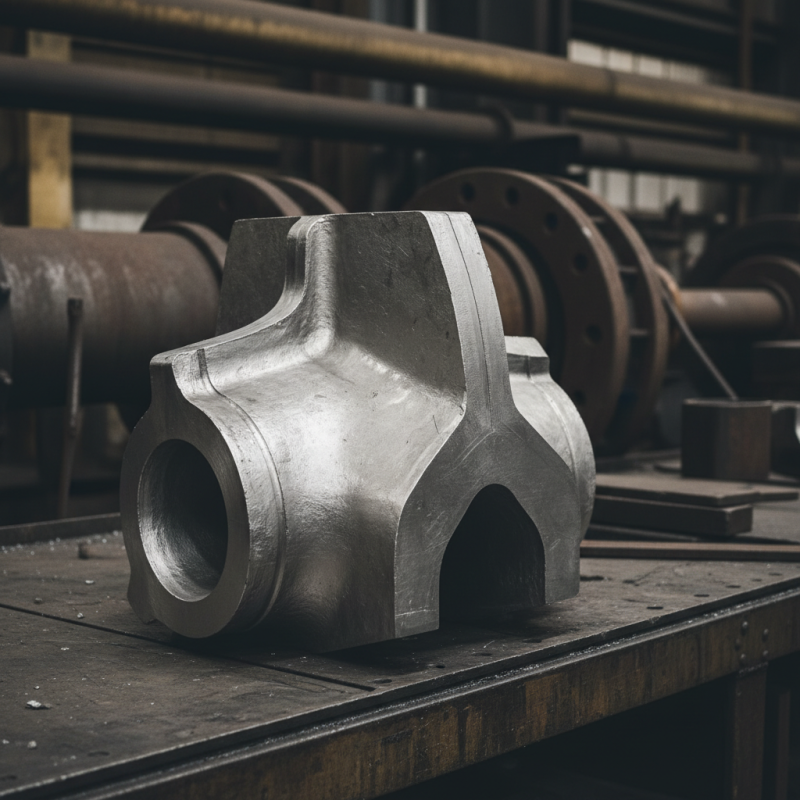
The Superior Strength-to-Weight Ratio of Cast Stainless Steel in Heavy Duty Applications
Cast stainless steel has gained popularity in heavy-duty applications due to its superior strength-to-weight ratio. This material demonstrates remarkable strength without the burden of excessive weight. Engineers often favor it for construction, automotive, and industrial machinery, where reliability is key. Reducing weight can enhance performance, improve fuel efficiency, and lower wear and tear on components.
The unique properties of cast stainless steel allow for intricate designs and shapes. This versatility enables manufacturers to create parts that meet exact specifications. However, not all applications benefit equally. Some users may underestimate the importance of proper maintenance. Over time, even high-quality materials can corrode or weaken.
Using cast stainless steel also presents challenges. The initial cost may be higher than other materials. This can deter decision-makers who prioritize upfront savings. Yet, the long-term value often outweighs the initial investment. When considering cast stainless steel, it’s crucial to assess both immediate needs and future performance.
Corrosion Resistance of Cast Stainless Steel: Extending Equipment Lifespan
Cast stainless steel is renowned for its exceptional corrosion resistance. This property is crucial in extending the lifespan of equipment used in heavy-duty applications. Typically, these environments expose materials to harsh conditions, like moisture and chemicals. Cast stainless steel forms a protective layer, which helps prevent rust and degradation over time.
However, it is not flawless. Under certain conditions, even stainless steel can corrode. It's essential to select the right grade for specific applications. For instance, high chloride environments pose a challenge. Some stainless steels may not perform as expected in these situations. Understanding the limitations can guide better choices.
Maintenance still plays a significant role in ensuring longevity. Regular cleaning and inspections are necessary. This helps identify early signs of wear. It’s a balance between using robust materials and diligent upkeep. Investing in cast stainless steel is promising, but it requires awareness and effort to truly realize its benefits.
Cost-Effectiveness of Cast Stainless Steel in Long-Term Heavy Duty Operations
Cast stainless steel is often favored for heavy-duty applications due to its long-term cost-effectiveness. According to a report from the American Society of Mechanical Engineers, using cast stainless steel in harsh environments can reduce maintenance costs by up to 30%. This reduction stems from its corrosion resistance and durability. Over time, the initial investment in cast stainless steel can pay off, especially when machinery experiences wear and tear.
The material’s ability to withstand extreme temperatures also plays a significant role. A recent industry analysis showed that cast stainless steel performs exceptionally well in environments exceeding 1,000°F, where alternatives may fail. However, selecting the right grade of stainless steel can be perplexing. Not all grades are equal, and miscalculations can lead to unexpected failures. It's crucial for organizations to assess their operational environments thoroughly.
Ultimately, using cast stainless steel requires careful consideration. While its benefits are evident in long-term applications, organizations must weigh their specific needs against potential drawbacks. A small error in material selection can lead to significant cost overruns. Thus, ongoing research and industry feedback are essential for making informed decisions.
Impact of Temperature and Stress on Cast Stainless Steel Performance
When discussing cast stainless steel, temperature and stress are critical factors. Elevated temperatures can alter the metal's integrity. High heat weakens material strength. This situation is common in heavy-duty applications like chemical processing or oil refining.
Proper thermal management can mitigate this issue. It’s vital to monitor operational temperatures. Effective cooling systems can prolong the life of cast stainless steel components. Regular maintenance checks can help identify potential overheating.
Stress plays a significant role too. Excessive stress can lead to cracks and deformations. Engineers need to assess stress loads carefully. They should consider the specific conditions under which the steel will operate.
Tips: Ensure proper temperature controls in processes. Design for stress relief to enhance durability. Choose appropriate thickness for parts based on stress evaluations. Keep in mind that even slight miscalculations can lead to failures. Reflection on these factors is essential for success.
Temperature and Stress Impact on Cast Stainless Steel Performance
Manufacturing Advantages of Cast Stainless Steel for Custom Heavy Duty Components
Cast stainless steel is an excellent choice for heavy-duty applications due to its unique manufacturing properties. The casting process allows for intricate designs and complex shapes that are difficult to achieve with other materials. These features enhance the functionality and versatility of custom components. Additionally, the ability to create near-net shapes minimizes waste during production. This efficiency helps reduce overall costs while maintaining high quality.
The strength of cast stainless steel is another key advantage. It exhibits superior corrosion resistance and can withstand extreme temperatures. This makes it ideal for challenging environments. However, quality control is vital. Variations in the casting process can lead to defects, affecting performance. It's crucial to monitor the process closely, ensuring that every piece meets the required standards. Minor adjustments in techniques can yield significant improvements in outcomes, emphasizing the importance of continuous refinement.
Why is Cast Stainless Steel Preferred for Heavy Duty Applications?
| Property | Details |
| Corrosion Resistance | Excellent resistance to rust and corrosion, making it ideal for harsh environments. |
| Strength | High tensile strength offers durability and longevity under heavy loads. |
| Heat Resistance | Maintains strength and stability at high temperatures. |
| Fabrication | Can be cast into complex shapes, reducing the need for additional machining. |
| Weight | Lighter than some other heavy materials, contributing to overall efficiency in applications. |
| Maintenance | Low maintenance requirements due to its strength and corrosion resistance. |
| Economic Efficiency | Cost-effective over the lifecycle due to its durability and minimal maintenance needs. |
 English
 Español de México