 English
 Español de México


How to Choose a Polypropylene Bag Supplier in 2026
Choosing a Polypropylene Bag Supplier in 2026 is more than comparing unit prices. The right partner must understand the bag’s actual job: carrying fertilizer, holding grains, or displaying retail goods beneath bright store lights. Each use places different demands on fabric weight, stitching, printing, and handling. A polished sample matters. So does a production batch that matches it.
Quality expert W. Edwards Deming is widely associated with the principle, “Quality is everyone’s responsibility.” For bag buyers, that means looking beyond a sales promise. Ask how the supplier checks fabric consistency, seam strength, print durability, and order-to-order variation. Request samples, clear specifications, and test results relevant to your intended use. Confirm realistic lead times and who will handle problems if a shipment arrives with uneven seams or faded graphics.
Price still matters. But the cheapest quote can hide thin fabric, inconsistent sizing, or costly rework. In 2026, buyers may also need clearer information about material composition and sourcing. Ask for documentation rather than relying on broad claims. A supplier’s answers should be specific and easy to verify.
No checklist catches everything. That is worth remembering. A promising sample cannot guarantee every production run, and a confident sales call is not proof of dependable quality. This guide explores the questions, checks, and trade-offs that can help you choose a Polypropylene Bag Supplier with fewer surprises.
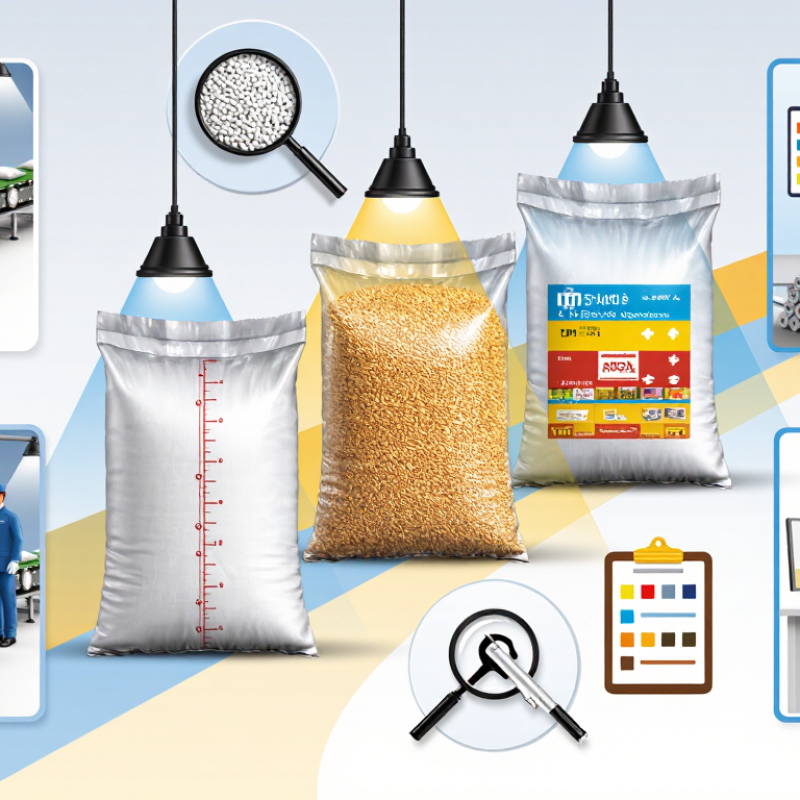
Define Your Polypropylene Bag Requirements for 2026
Before contacting a polypropylene bag supplier, define what the bag must do in daily use. Will it carry grain, retail goods, soil, or construction materials? Record the product’s weight, bulk, sharp edges, and storage conditions. A 25-kilogram load of smooth pellets behaves differently from the same weight of rough aggregate. Small details matter.
Specify the bag style and measurements, including length, width, gusset, opening, and preferred handle type. Clarify whether you need woven polypropylene for strength or nonwoven material for lighter-duty uses. Ask for fabric weight, coating, seam construction, and printing requirements. If bags sit outdoors, state the expected exposure to sunlight and rain. Don’t assume “heavy-duty” means the same thing to every supplier. It doesn’t.
Set measurable acceptance criteria before comparing quotations. For example, define target load, acceptable dimensions, color tolerance, and how samples will be checked. In purchasing reviews, seam strength can be overlooked even when the fabric looks robust. Request a sample and test it with the real contents, lifting method, and storage setup. I would also confirm what test records and material documentation are available. Some requirements may be negotiable; others, such as customer specifications or applicable safety rules, need verification. A perfect specification is unlikely on the first draft, so revise it after handling a sample.
How to Choose a Polypropylene Bag Supplier in 2026 – Define Your Polypropylene Bag Requirements for 2026
| Requirement | Information to Define | Practical Starting Point | What to Verify with the Supplier |
|---|---|---|---|
| Bag type and construction | Woven polypropylene, non-woven polypropylene, or a laminated/coated construction; specify any liner, gusset, valve, or closure. | Choose woven PP for many dry bulk and agricultural products; consider a liner or coating when moisture or fine-particle containment matters. | Request a construction drawing and a sample made with the proposed fabric, coating, seams, and closure. |
| Product and application | Product being packed, bulk density, particle size, filling method, storage conditions, and intended end use. | Provide the supplier with the actual product or a detailed specification; performance depends on the complete packing and handling system. | Confirm compatibility with the product, filling equipment, storage environment, and transport conditions. |
| Bag dimensions and capacity | Flat width, cut length, gusset dimensions, usable volume, and required filling headspace. | Set dimensions from the product’s bulk density and the available pallet, shelf, or filling-line space rather than nominal capacity alone. | Check dimensions on production samples and confirm tolerances, measurement method, and whether dimensions are stated flat or filled. |
| Fabric weight and strength | Fabric mass per unit area (g/m²), tape characteristics, seam design, and required resistance to handling damage. | Specify performance requirements first; fabric weight by itself does not establish finished-bag strength. | Ask for relevant test methods and results for the finished construction, including seams and closure where applicable. |
| Safe working load | Maximum intended filled load, handling frequency, lifting method, and whether the bag is for single-trip or repeated use. | For bulk bags, define the rated safe working load and the design factor required for the intended use. Do not infer load capacity from appearance. | Request documented load-test results and clear handling instructions; confirm that the design suits the actual lifting arrangement. |
| Moisture and product protection | Required protection from rain, humidity, dust, or contamination, plus any ventilation needs. | Consider an internal liner or a coated/laminated fabric when extra moisture or fine-particle protection is needed; these options are not automatically waterproof. | Confirm the specific barrier performance and test conditions. Check that the chosen protection will not conflict with product ventilation needs. |
| UV and outdoor exposure | Expected sunlight exposure, outdoor storage duration, climate, and whether bags will remain covered. | Specify outdoor exposure and required service conditions; UV resistance depends on formulation, construction, and exposure environment. | Request evidence for the proposed UV-stabilized material and clarify the exposure conditions used for any durability claim. |
| Printing and identification | Artwork, number of colors, print area, variable data, language, barcodes, and required legibility. | Provide final artwork and barcode specifications before approving a production proof. | Review a physical print sample for color, placement, scuff resistance, and barcode readability where applicable. |
| Food or regulated-product use | Whether the bag contacts food, feed, chemicals, or another regulated product; identify the destination market. | State the product, contact conditions, and destination jurisdiction. Applicable requirements vary by material, use, and market. | Request applicable declarations and supporting documentation for the specific material and intended use; do not rely on a generic “food grade” claim. |
| Recycled content and end of life | Required recycled-content percentage, traceability expectations, recyclability goals, and any restrictions for product contact. | Set measurable content and documentation requirements. Suitability of recycled material depends on product use and applicable regulations. | Ask how recycled content is measured and documented, and confirm that material claims match the intended application and destination market. |
| Quality control and traceability | Inspection plan, defect criteria, batch identification, retained samples, and corrective-action process. | Agree on written acceptance criteria for dimensions, appearance, print, seams, and any performance tests before production. | Review sample inspection records, lot traceability, test reports, and the process for handling nonconforming product. |
| Certifications and compliance documents | Required management-system certifications, product declarations, and market-specific compliance documents. | Specify only certifications and documents relevant to your product, market, and purchasing policy. | Verify document scope, issuing body, validity dates, and whether the documents cover the facility and product being quoted. |
| Order quantity and lead time | Initial order, forecast volumes, repeat-order pattern, delivery location, and acceptable production schedule. | Request a quotation that separates sample timing, production lead time, shipping time, and any minimum order quantity. | Confirm capacity, production-slot availability, order-change deadlines, packaging for shipment, and delivery terms. |
| Cost and total landed price | Unit price, tooling or setup charges, packaging, freight, duties, payment terms, and quotation validity. | Compare quotations on the same specification and delivery basis; the lowest unit price may not represent the lowest total cost. | Check for exclusions, price-adjustment conditions, sample charges, and costs associated with testing or artwork changes. |
The starting points above are general procurement guidance, not universal product specifications. Final requirements should be confirmed through product trials, applicable regulations, and documented testing for the intended use.