Choosing the right Automatic Baler Machine is crucial for efficient operations. At the 2026 Canton Fair, businesses can explore a variety of advanced manufacturing technologies. The event runs from April 15 to May 5, featuring diverse themes. These themes cater to different sectors, highlighting the significance of machinery, including balers.
Navigating such a vast exhibition can be daunting. The introduction of AI smart search and navigation adds a layer of convenience. This innovation allows buyers to filter suppliers by qualifications like ISO and CE certifications. It streamlines the search process significantly. Additionally, efficient navigation helps you move through the expansive 1.55 million square meters of the fair.
Despite these advancements, challenges remain. Not every supplier may meet your expectations. It’s essential to evaluate machines closely. Look for functionality, speed, and durability. Reflect on how each Automatic Baler Machine aligns with your specific needs. This analysis is key to making an informed decision.
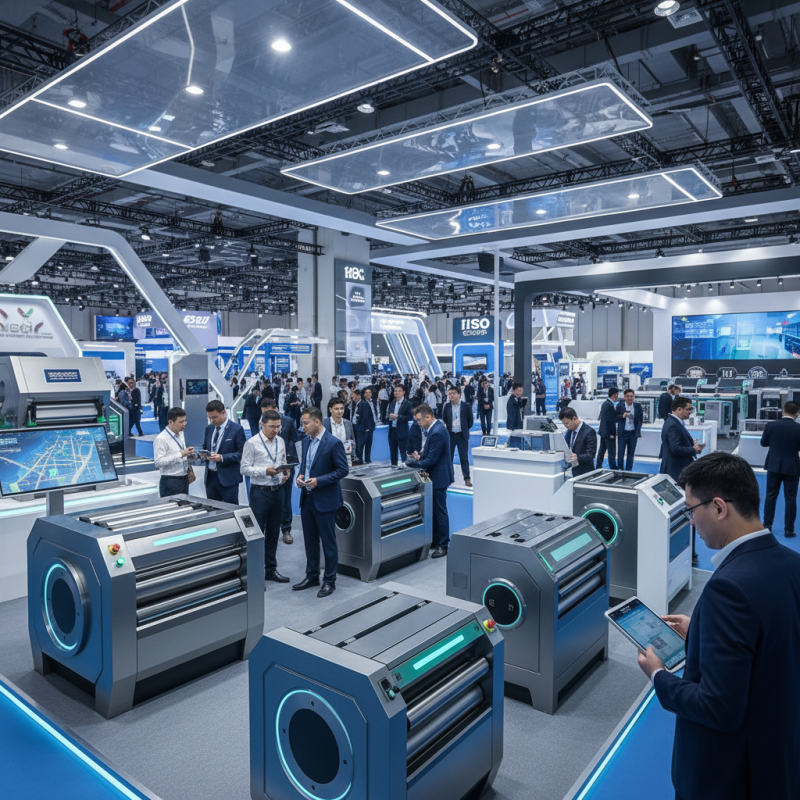
At the 2026 Canton Fair, various types of automatic baler machines will be showcased. Understanding the different types is crucial for making an informed decision. For example, vertical balers are often favored for smaller operations. They save space and energy while effectively compacting materials. According to industry reports, these machines can reduce the volume of waste by up to 80%.
Horizontal balers, on the other hand, are designed for high-volume applications. Their capacity allows them to handle larger loads efficiently. They can deal with a variety of materials, from cardboard to plastic. An estimated 60% of large-scale companies prefer horizontal balers due to their versatility and speed. However, they require a greater initial investment. This poses a challenge for some buyers who may need to reconsider their budget.
Another option is fully automatic balers. These units come with advanced features like automated feeding and tied-off systems. They enhance productivity significantly but may have a steep learning curve. Consequently, businesses must reflect on their operational needs before choosing a model. While innovations in the baler market are promising, not every machine may suit every operation. Evaluating individual requirements is essential to avoid costly mistakes.
| Type of Automatic Baler | Baling Capacity (kg/hr) | Dimensions (L x W x H) | Power Requirement (kW) | Features |
|---|---|---|---|---|
| Vertical Baler | 300 | 1.2m x 1.0m x 2.0m | 5.5 | Space-saving, Easy to operate |
| Horizontal Baler | 600 | 2.5m x 1.5m x 1.5m | 11 | High efficiency, Automated feed |
| Mini Baler | 150 | 1.0m x 0.8m x 1.6m | 3 | Compact design, Low power consumption |
| Automatic Baler with Conveyor | 800 | 3.0m x 2.0m x 1.8m | 15 | Fully automated, High-speed operation |
| Heavy-duty Baler | 1000 | 3.5m x 2.5m x 2.0m | 22 | Designed for high-density materials, Robust build |
When choosing an automatic baler machine, evaluating its key features is essential. The market offers various models, each with different capabilities. According to a 2022 industry report, the global demand for balers is projected to grow at 5% annually. This highlights the importance of selecting the right equipment for your operational needs.
Consider the compression ratio of the baler. A higher ratio means more compact bales, which is crucial for storage efficiency. Many machines offer ratios between 4:1 and 10:1. This range can significantly impact your transport costs and warehouse space. Additionally, look into the machine's cycle time. Faster cycle times can enhance productivity but may come at a higher initial cost.
Power consumption is another vital aspect. Efficient models can reduce energy costs over time, making them a smart investment. However, balancing initial costs with long-term savings can be tricky. Consider the materials you will be handling. Not all balers are suited for every type of waste. Some may struggle with thicker materials or mixed waste streams, leading to potential operational issues. These reflections can guide you toward a more informed purchase decision.
When attending the 2026 Canton Fair, comparing prices and brands of automatic balers becomes essential. Many suppliers showcase advanced technologies. You need to identify the balance between cost and quality. The average price of automatic balers can range significantly. Some models may start as low as $8,000, while high-end options might exceed $30,000. Understanding this price range is crucial for budget planning.
Reports indicate an increasing demand for energy-efficient models. More than 55% of manufacturers are focusing on sustainability. This trend is reshaping how companies view balers. However, it's essential to consider if these eco-friendly options fit your requirements. While they might be pricier, cost savings on energy bills can offset initial investments.
Evaluating the specific needs for materials is another area of concern. Some balers perform better with certain materials, such as cardboard or plastic. Not all suppliers provide transparent data about material compatibility. Moreover, inexperienced buyers may overlook after-sales support and maintenance costs. These factors can lead to challenging decisions if not properly assessed.
When assessing the quality and durability of baler machines, look closely at the materials used. A strong frame made from high-strength steel often indicates longevity. Check for any signs of corrosion or rust. External conditions can impact these machines significantly. If the baler has protective coatings, that's a plus.
Another important factor is the machine’s performance history. Ask for details on how long it’s been in operation. Machines with a good track record are generally more reliable. You should also examine the components, including the hydraulic system and electrical parts. They need to be built to endure constant use.
Finally, listen to user feedback. Real-world experiences can reveal potential problems. While a machine might look great on paper, practical challenges can arise. Consider asking for references from other customers. This can provide deeper insights into the machine’s actual performance and durability. Balers are vital investments; they should stand the test of time.
When attending the 2026 Canton Fair, negotiating effectively is crucial for securing the best automatic baler deals. Start by researching various manufacturers and their products. Create a list of essential features you need. This helps streamline discussions. Keep your focus on price but don’t ignore quality.
During negotiations, don’t hesitate to ask questions. Understand the technology behind each baler. Gauge the manufacturer’s knowledge about their machines. A knowledgeable supplier can often offer better insights and solutions. If a deal sounds too good to be true, dig deeper. There may be hidden drawbacks that could affect your operation later.
Pay attention to the fine print in any agreements. Small clauses can lead to significant issues down the line. Be prepared to walk away if the terms don’t meet your expectations. Sometimes, this tactic brings the price down. Have a backup plan. Consider attending other exhibitions if negotiations do not yield favorable results. Negotiate with confidence, but remain open to discussion.