How to Choose the Best Automatic Film Laminator for Your Needs?
Choosing the best Automatic Film Laminator can significantly impact your production quality. According to Sarah Johnson, a leading expert in lamination technology, "The right laminator can elevate your projects to new heights." Her insights emphasize the importance of making an informed choice tailored to specific needs.
An Automatic Film Laminator offers efficiency and consistency. These machines have evolved to meet diverse requirements. However, various factors must be considered. Users often overlook their unique tasks when selecting a laminator. Understanding your materials and end products is crucial. Not all laminators provide the same level of protection or finish quality.
Reflection on past choices reveals that many rush the selection process. This haste can lead to dissatisfaction with equipment performance. Investing time in research and expert opinions can prevent costly mistakes. Therefore, being mindful of your specific needs is essential to ensure your Automatic Film Laminator serves you well.
Understanding Different Types of Automatic Film Laminators Available in the Market
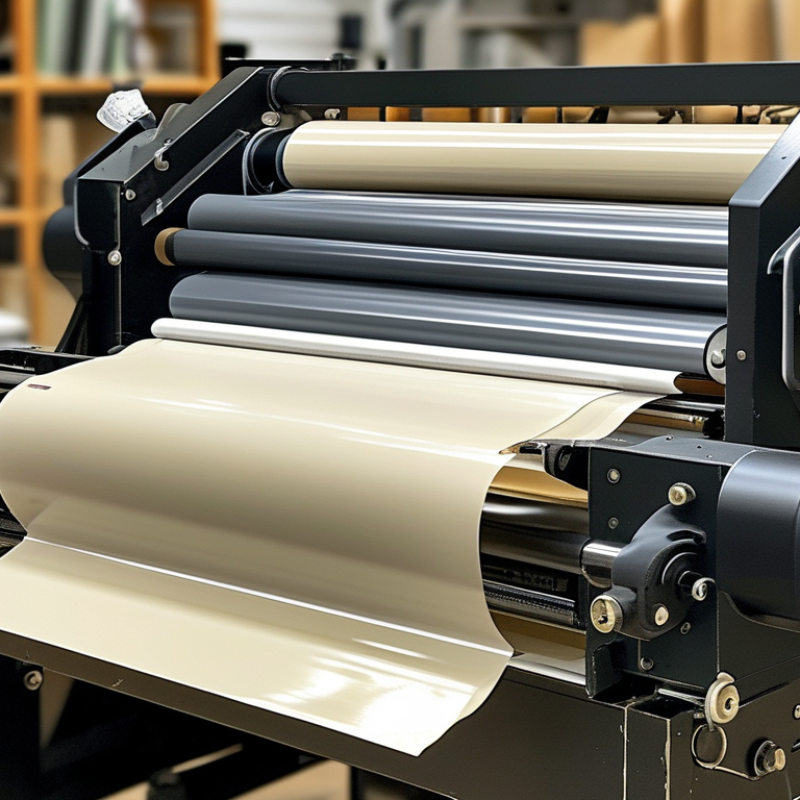
When selecting an automatic film laminator, it's crucial to understand the types available on the market. These laminators generally fall into two categories: roll laminators and pouch laminators. Roll laminators use large rolls of film and are ideal for bulk projects. They allow for faster production with a more professional finish. On the other hand, pouch laminators require pre-cut pouches, making them suitable for smaller, more detailed tasks.
Consider the volume of work you need to complete. If you're processing many documents daily, a roll laminator can save time. For occasional use, a pouch laminator might suffice. Assess your workspace too; roll laminators can be large and require adequate room.
Tips: Always check the temperature settings; improper heat can damage materials. Additionally, ensure the laminator has a safety feature. This can prevent accidents, especially in busy work environments. Look for user reviews to gauge reliability and effectiveness before making a decision. Balancing these factors will help you find a laminator that meets your unique needs.
Key Features to Consider When Selecting an Automatic Film Laminator
When selecting an automatic film laminator, several key features require careful consideration. The type of laminating film used is essential. Films come in various thicknesses and finishes, including matte and glossy. Choose a film that suits your document type, as thicker films provide more durability. However, keep in mind that the thicker the film, the more heat may be required.
Another critical feature is the laminator's speed. A faster machine can boost productivity, especially in a busy environment. Yet, speed shouldn't compromise quality. Evaluate the balance between speed and a neat finish. Additionally, check the temperature settings. A model with adjustable heat settings can handle different film types better. This adaptability is vital if your projects vary significantly.
Consider the laminator's size and footprint. It should fit your workspace without affecting workflow. Portability might also matter if you plan to move it frequently. Finally, read user reviews to gauge reliability and ease of use. Do not overlook that some models may have complex setups, which could hinder productivity. Reflecting on these features will help you find a laminator that meets your specific needs.
Analyzing Cost vs. Performance in Automatic Film Laminators
When selecting an automatic film laminator, it's essential to analyze cost versus performance. The laminator's price can vary significantly. A higher-priced unit may offer advanced features, but does it meet your specific needs? Consider your project volume and the thickness of materials you often use. Sometimes, a more affordable option suffices, while higher-priced models may introduce features you’ll hardly use.
Performance is another critical aspect. Speed and quality are paramount. A laminator that operates quickly is advantageous for high-demand environments. However, speed should not compromise the quality of the finished product. Some machines may overheat or seal poorly, which can be frustrating. Research user reviews and seek insight into real-life experiences. This feedback can highlight reliability concerns or performance inconsistencies.
Choosing the right laminator is more than just balancing cost and performance. It involves understanding your unique requirements. A machine may seem perfect on paper, but practicality is key. Pay attention to durability, ease of use, and maintenance. Weighing these factors can often lead to realizations about what truly benefits your workflow.
Evaluating Maintenance and Operating Costs of Laminating Machines
When evaluating the maintenance and operating costs of automatic film laminators, several factors come into play. Regular maintenance is critical for ensuring optimal performance. Consider the frequency of required checks and servicing. Some machines may demand more attention, leading to higher costs over time. Be aware that neglecting maintenance can result in costly repairs or reduced efficiency.
Operating costs should also be analyzed. This includes the price of laminating films and energy consumption. While some laminators may have a lower purchase price, they could be less efficient, leading to increased ongoing costs. The energy usage of the machine can add up significantly. It's essential to look for machines that offer energy-saving options, but these features often come with higher initial expenses. Assessing the balance between initial investment and long-term savings is necessary for making a wise choice.
Additionally, consider the learning curve associated with each machine. Some laminators are user-friendly, while others may require extensive training. This factor can impact operator efficiency and lead to unexpected downtime, affecting overall costs. While it's tempting to opt for cheaper models, consider their potential hidden costs, such as less reliable performance and greater upkeep needs. Think critically about how these factors affect not only your budget but also your operational workflow.
Assessing User Reviews and Industry Standards for Optimal Choices
When selecting an automatic film laminator, user reviews play a crucial role. They provide insights into real-world applications, performance, and durability. Look for feedback on features like speed, ease of use, and maintenance. Users often share their experiences regarding film adhesion and clarity, which are essential for quality finishing. A product that works well for one user might not suit another’s needs.
Industry standards also guide the selection process. Check for certifications and compliance with manufacturing standards. Such indicators reflect a product's reliability and safety. It’s essential to compare specifications and warranties offered by different manufacturers. Transparency in these areas enhances trust in the product. Additionally, reading case studies can reveal how specific models fare in various settings.
Evaluating both user experiences and industry benchmarks highlights the importance of careful choice. Mistakes happen, especially when assumptions are made based on marketing claims. Understanding common pitfalls can save you time and money. Prioritize features that align with your project requirements, and don't hesitate to ask for expert opinions. Each purchase should be a well-informed decision, considering potential shortcomings and the overall value for your needs.
How to Choose the Best Automatic Film Laminator for Your Needs?
| Feature | Description | User Rating (out of 5) | Best Use Case |
| Film Thickness Compatibility | Supports 1.5 to 3 mil thick films | 4.5 | General laminating projects |
| Speed | Up to 15 feet per minute | 4.2 | High-volume production |
| Heat-Up Time | 15 minutes | 4.0 | Quick turnarounds |
| Dimensions | 24" x 18" x 12" | 4.3 | Compact workspaces |
| Temperature Control | Digital temperature settings | 4.6 | Versatile film types |
 English
 Español de México