In recent years, sustainable packaging has gained traction. One standout option is "Compostable Packaging Materials." Experts recognize its benefits for the environment. According to Dr. Jane Smith, a renowned sustainability expert, "Compostable materials are key to reducing landfill waste."
Compostable packaging breaks down naturally. This process enriches soil and supports plant growth. Many businesses now consider this an essential choice. Amidst growing environmental concerns, consumers seek responsible options. Traditional plastics harm ecosystems. In contrast, compostable materials offer a healthier alternative.
Choosing compostable packaging means prioritizing the planet. Still, challenges exist. Not all consumers know how to dispose of these materials properly. Education and awareness play crucial roles. As the industry grows, it's vital to address these gaps. Overall, compostable packaging presents a promising solution. However, its success depends on collective effort and understanding.
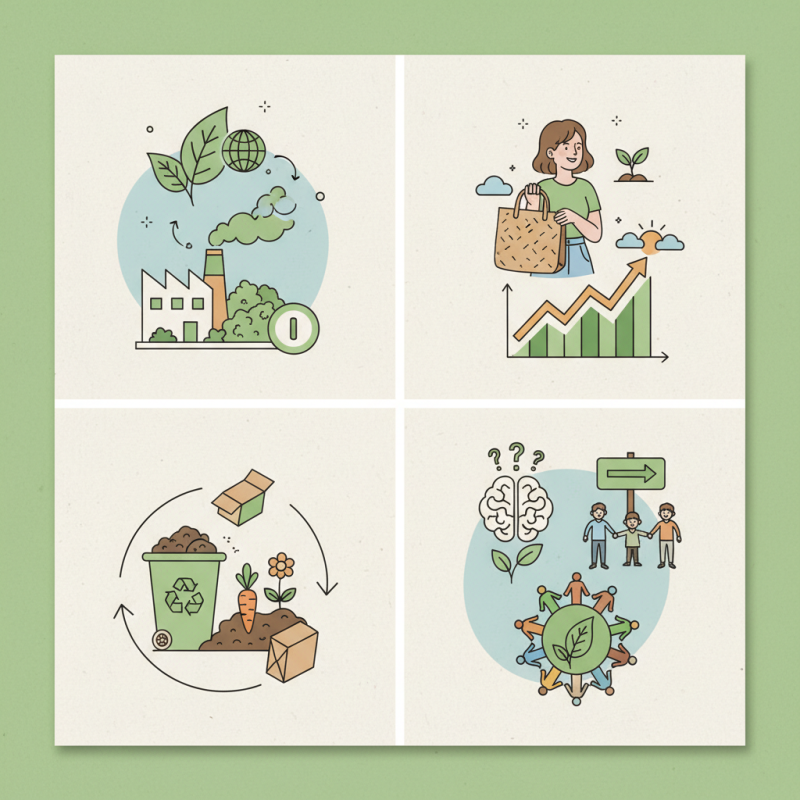
Compostable packaging materials are designed to break down naturally in specific composting conditions. They usually contain organic substances, like plant-based materials, which make them distinct from traditional plastics. According to a report by Grand View Research, the global compostable packaging market is expected to reach $79.4 billion by 2027, reflecting a growing trend towards sustainable packaging.
These materials can decompose into nutrient-rich soil within 90 to 180 days when placed in a commercial composting facility. The Biodegradable Products Institute (BPI) emphasizes that compostable materials must meet specific ASTM standards to be certified. Despite their benefits, some challenges exist. Not all consumers understand how to dispose of compostable items correctly. Misplaced compostables could end up in landfills, defeating their purpose. Education is crucial for consumer behavior.
Further research shows that the production of compostable packaging often has a smaller carbon footprint compared to conventional options. However, not all compostable materials are created equal. Variability in composting infrastructures can affect their true impact. It's vital to assess local capabilities and commitment to composting before fully transitioning to these materials.
Compostable packaging materials are gaining attention as environmentally friendly alternatives to traditional plastics. These materials break down into natural components, reducing landfill waste. There are several types of compostable packaging available, including bioplastics, paper, and plant-based films. According to the Biodegradable Products Institute, around 1.2 million tons of compostable materials were used in packaging in 2020.
Bioplastics are made from renewable resources, such as corn starch or sugarcane. They can serve various purposes, from food containers to shopping bags. Paper packaging is another popular option, often treated to ensure durability. Plant-based films, made from materials like polylactic acid (PLA), offer transparency and flexibility for food wraps.
When choosing compostable packaging, consider its certification. Look for labels from independent organizations verifying compostability standards. Not all compostable materials break down under home composting conditions. They may require industrial composting facilities. Additionally, local disposal options might impact the effectiveness of compostable materials.
Tip: Always inform consumers about proper disposal methods for compostable packaging. This can optimize its environmental benefits. It's crucial to educate your audience about composting practices to ensure success.
Compostable packaging materials are gaining attention for their environmental impact. They break down naturally, returning nutrients to the soil. This process contrasts with traditional plastics, which can take centuries to decompose. Using compostable items can help reduce landfill waste.
One key benefit is the reduction of carbon emissions. When organic materials decompose in landfills, they release harmful methane gas. Compostable options mitigate this issue. Additionally, many consumers appreciate brands that prioritize sustainability. This can enhance a company's reputation and attract eco-conscious customers.
Yet, it's important to acknowledge the challenges. Proper disposal is crucial for compostable materials to be effective. If they end up in the wrong bin, they may contribute to pollution. Education around composting is equally important. People might be unaware of the right steps. Overcoming these obstacles can lead to significant environmental improvements.
Compostable packaging materials have gained popularity for their environmental benefits. However, they come with specific challenges that need to be addressed. One major consideration is the requirement for industrial composting facilities. Many areas lack the infrastructure needed to process these materials effectively. This limitation hinders the widespread adoption of compostable options.
Another challenge is consumer awareness. Many people still confuse compostable with recyclable or biodegradable. Education is crucial for helping consumers make informed choices. Without proper understanding, items may end up in landfills, negating their environmental benefits. It's worth noting that not all compostable packaging breaks down easily in home composting setups.
Additionally, the production of compostable materials can be resource-intensive. They often rely on agricultural products, which raises concerns about land use and sustainability. This complex relationship with food production warrants careful reflection. Overall, while compostable packaging presents an eco-friendly alternative, its implementation requires thoughtful consideration of these challenges.
Compostable packaging materials are increasingly popular in eco-friendly initiatives. Unlike traditional materials like plastic, which take hundreds of years to decompose, compostable options break down in a matter of months. They enrich the soil instead of polluting the environment. This natural transformation reduces landfill waste significantly.
One challenge with compostable materials is their availability and cost. They can be harder to source than conventional packaging. Many consumers are still unaware of how to properly dispose of these products. This lack of knowledge can lead to compostable items ending up in landfills, negating their benefits. Additionally, certain compostable materials require industrial composting facilities to decompose effectively, which are not accessible everywhere.
Nevertheless, when businesses and consumers choose compostable packaging, they make a powerful statement. They contribute to a circular economy and support sustainable practices. The transition may face hurdles, but the long-term environmental benefits are significant. Embracing change is essential, and every small step can lead to collective progress.