What is a Double Layer Anti-counterfeiting Label and Its Benefits?

The Double layer Anti-counterfeiting Label is revolutionizing product security. Experts like Dr. Emily Chen emphasize its importance, stating, “This technology is crucial for protecting brand integrity.”

These labels offer a two-tiered approach to combat counterfeiting. The outer layer often includes visible features, while the inner layer contains advanced security elements. This duality enhances protection against tampering.

However, challenges remain. Brands must balance cost and technology. Not all companies can invest heavily in such solutions. This gap can lead to vulnerabilities. As the anti-counterfeiting landscape evolves, reflection on these issues is vital for creating robust solutions.
What is a Double Layer Anti-counterfeiting Label and Its Benefits?

What is a Double Layer Anti-counterfeiting Label?

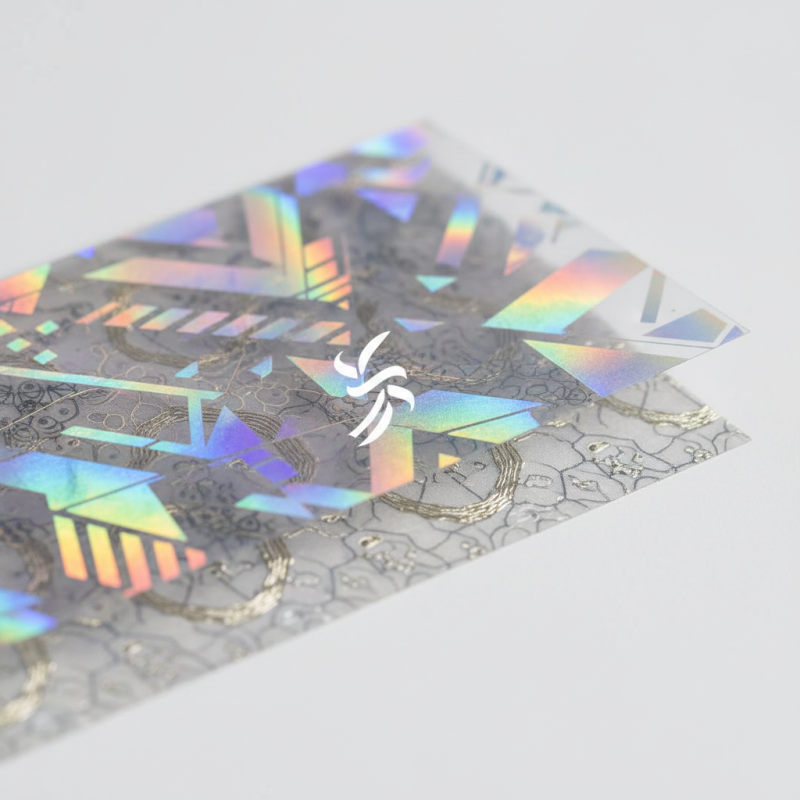
A double-layer anti-counterfeiting label is an innovative solution to combat counterfeit products. This label features two transparent layers, each with unique security elements. The top layer often has intricate designs that are visible under UV light. The bottom layer can contain QR codes or holograms, creating multiple verification methods.

Using double-layer labels can strengthen brand identity. These labels provide a visible assurance of authenticity. They can deter counterfeiters while increasing consumer trust. However, some might find these labels challenging to incorporate into existing packaging. It's essential to balance security features with aesthetic design.

Tips: Ensure that the labels align with brand colors and themes. Keep the messaging clear. Aim to educate consumers on how to identify genuine products through the label features. Engaging customers can enhance awareness. Still, brands should remain open to feedback about the labels' effectiveness.

Design Features of Double Layer Anti-counterfeiting Labels

Double layer anti-counterfeiting labels are unique for their intricate design. These labels consist of two separate layers, each serving a specific purpose. The outer layer often features a custom print, while the inner layer may contain encoded data or holograms. This separation enhances security, making replication difficult.

The design allows for creative visuals while maintaining crucial protective features. Colors and patterns on the outer layer can attract attention. Meanwhile, the hidden data on the inner layer remains protected from casual observation. This combination makes them more than just basic labels; they are a blend of art and technology. However, achieving an ideal balance between aesthetics and security can be tricky. Sometimes, the outer design may overshadow the inner security features, leading to a false sense of protection.

Moreover, users must be careful when applying these labels. Improper placement can damage the integrity of the label. This might result in easy tampering, defeating their purpose. While double layer labels offer advanced security, there’s room for improvement. Companies should continually refine their designs, ensuring both beauty and strength coexist harmoniously.

The Technology Behind Double Layer Anti-counterfeiting Labels

Double layer anti-counterfeiting labels are innovative solutions to combat counterfeit products. These labels consist of two distinct layers, each serving a unique purpose. The top layer often features visible security elements like holograms or color-shifting inks. The second layer hides more complex features, such as QR codes or RFID technology, which are difficult to replicate.

The application of advanced technology in these labels is fascinating. For instance, the use of microprinting can include tiny text that is nearly invisible to the naked eye. This layer can also change colors under different lighting conditions, adding another layer of security. However, these technologies come with challenges. Some may find it hard to understand how to verify authenticity. A lack of consumer awareness may lead to distrust. The effectiveness of the technology may diminish if users do not engage with the security features.

Finding a balance between security and usability is crucial. The double layer design must be intuitive for consumers. If the features are too complex, users might overlook them. Education on the benefits of these labels could enhance their effectiveness. Continuous innovation is needed to stay ahead of counterfeiters.

Benefits of Double Layer Anti-counterfeiting Labels

Key Benefits of Using Double Layer Anti-counterfeiting Labels

Double layer anti-counterfeiting labels are becoming essential tools in various industries. These labels enhance security features to protect products from counterfeiting. They typically include a hidden layer that reveals forensics or authentication data, making it harder to replicate. According to a recent industry report, nearly 10% of global goods are estimated to be counterfeit, highlighting a growing concern for brands.

One significant advantage of double layer labels is their ability to incorporate multiple verification methods. For instance, some labels use QR codes for instant product authentication. This feature allows consumers to verify the legitimacy of a product quickly. A survey indicated that 70% of consumers prefer products that give them confidence through secure labeling. Brands can build trust through visible security while engaging customers directly.

Despite their benefits, some challenges remain. Integrating these labels can be costly for smaller manufacturers. They may hesitate to adopt advanced labeling technologies due to budget constraints. Additionally, educating consumers on how to use these labels effectively can be a hurdle. It’s crucial for brands to consider these barriers while seeking to enhance anti-counterfeiting measures. Security is a necessity but must also remain accessible.

Applications of Double Layer Anti-counterfeiting Labels in Various Industries

Double layer anti-counterfeiting labels are gaining traction in various industries. These labels often combine visible and invisible elements. They can include holograms, QR codes, and color-shifting inks. For manufacturers, this adds an effective barrier against counterfeit products. It is crucial for ensuring brand integrity and consumer safety.

In pharmaceuticals, these labels help track the authenticity of drugs. They protect patients by preventing the circulation of fake medications. The food industry also benefits greatly. Labels can verify the origin and quality of products. This transparency builds customer trust. However, some businesses struggle with implementing these systems. They may face challenges in adapting to new technologies or training employees.

Retail is another key area where double layer labels thrive. They enhance customer engagement through interactive features. Shoppers can scan codes for detailed product information. Yet, some consumers might find this technology confusing. Not everyone is tech-savvy. This gap can lead to missed opportunities for brands. Embracing these labels, while addressing user experience, is essential for growth.

What is a Double Layer Anti-counterfeiting Label and Its Benefits?

Industry Application Benefits
Pharmaceuticals Product authentication and traceability Enhances consumer safety and compliance with regulations
Food and Beverage Tracking freshness and origin Builds consumer trust and reduces product recalls
Electronics Protection against counterfeit products Preserves brand integrity and customer loyalty
Fashion Authentication of high-value items Reduces counterfeiting and enhances brand value
Cosmetics Verification of genuine products Safeguards consumer health and promotes brand trust