In the fast-paced world of printing, quality control is paramount. Print Inspection plays a critical role in ensuring that products meet quality standards. It involves meticulous checks at various stages of the printing process. These checks can identify errors ranging from color mismatches to alignment issues. Even a minor flaw can lead to significant rework and increased costs.
Effective Print Inspection requires attention to detail and systematic approaches. Inspectors must be trained to recognize both obvious and subtle defects. Sometimes, a rushed process skips essential checks, leading to overlooking critical mistakes. The human eye can fail, especially with repetitive tasks. It's important to implement consistent guidelines and leverage technology for better results.
Reflecting on past inspections reveals areas for improvement. Errors repeat when processes remain unchanged. Regular training can enhance inspector skills, leading to better quality outcomes. Engaging with the latest inspection technology can help reduce human errors. Continuous evaluation of inspection methods keeps the process robust and reliable. Quality control through Print Inspection is not just a requirement; it's a commitment to excellence.
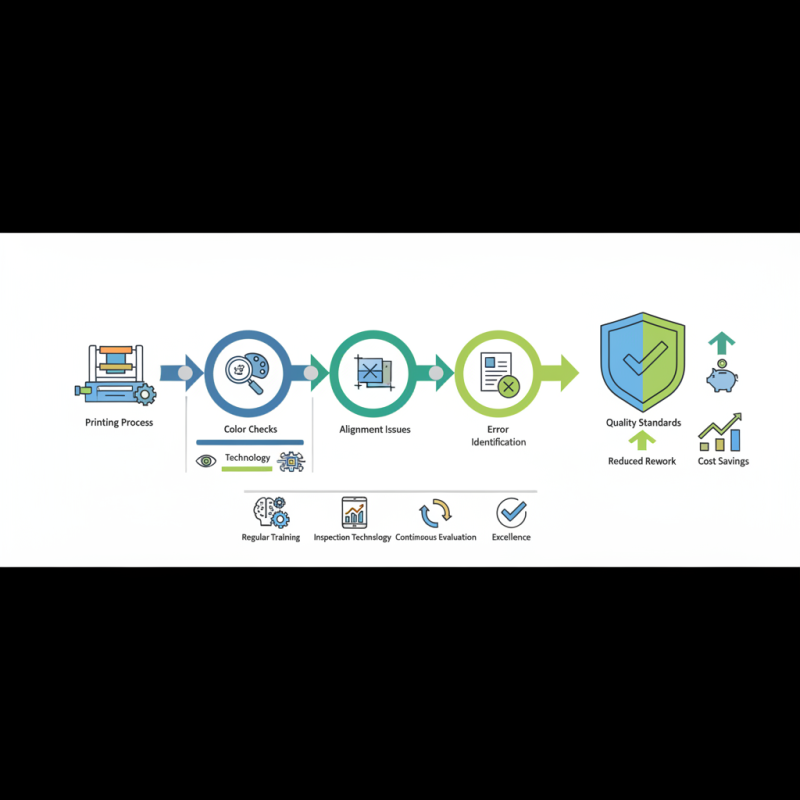
Print inspection is essential for maintaining quality control in any printing process. Understanding its importance helps organizations deliver consistent results. Inspection identifies defects early, reducing waste and ensuring customer satisfaction. Quality print work reflects a brand's commitment to excellence.
Effective print inspection requires focus and systematic approaches. Train staff to notice even subtle flaws. Use inspection tools to aid in precision. Regular checks during production can reveal recurring issues. This proactive method can prevent larger problems later. If a defect goes unnoticed, it could damage a company's reputation.
Tips: Always keep a checklist for common defects. Frequent team discussions about quality can foster a culture of awareness. Encourage operators to speak up on potential problems. Their insights are valuable and can lead to practical solutions. Each print run should start with a quality review. Failing to review can lead to oversights that are hard to correct.
Establishing an effective print inspection process is crucial for ensuring quality control in any printing operation. Key steps involve clearly defining inspection criteria, selecting appropriate tools, and training personnel. According to industry reports, up to 80% of print defects can be identified in the pre-press stage, which highlights the importance of addressing issues early.
Many companies overlook the impact of environmental conditions on print quality. Humidity and temperature variations can affect ink adhesion and drying. Regular monitoring of these factors is essential. A well-documented inspection procedure allows for better consistency and accuracy. Implementing a feedback loop can also help identify recurring issues and adjust processes accordingly.
Tips: Use colorimetric analysis tools to ensure color accuracy. Keep inspection areas well-lit to catch subtle defects. Train staff to recognize common print flaws. Regularly review inspection procedures to ensure they evolve with technology and customer demands. Never underestimate the role of teamwork in spotting errors. A fresh set of eyes often catches what one person may miss. Consistent inspection practices lead to higher satisfaction and reduced costs.
Effective print inspection is crucial for maintaining quality control. Various essential tools can greatly enhance the process. Standard viewing conditions are a must. A quality inspection light is vital for detecting flaws. It helps in revealing color variations and inconsistencies. A loupe can also be used. It allows closer examination of the print's details.
Techniques for quality assessment are equally important. Color measurement devices can help ensure consistency. These may include spectrophotometers that assess color accuracy against standards. Manual inspection techniques should not be overlooked. Train inspectors to recognize subtle discrepancies. This human element adds a layer of scrutiny that machines alone cannot provide.
However, relying solely on technology has its drawbacks. Machines may miss certain aspects of quality. Human inspectors can grow complacent, leading to oversights. Continuous training and refreshers are essential. Regular audits of the inspection process can reveal areas needing improvement. The goal is to create a balanced approach, blending tools and human insight for optimal quality assurance.
Inspecting printed materials is crucial for maintaining quality. During print inspections, there are several common defects to watch for. These include color inconsistencies, alignment issues, and smudges. Each defect can affect the final product's appeal and effectiveness.
Color inconsistencies are easily noticeable. A shift in color can ruin an otherwise perfect print. Look for variations that might appear in gradients or solid colors. Alignment is another critical aspect. If elements are not aligned, it can disrupt the overall design. Ensure that text and images line up correctly.
Smudges are usually caused by improper handling or drying. They can make prints look unprofessional. Inspect prints after they come off the press. Use good lighting to catch these imperfections.
**Tips**:
1. Always check a sample before mass printing.
2. Keep a detailed checklist of defects to monitor your inspections.
3. Don’t rush the process; rush often leads to overlooked issues.
Taking time to inspect can prevent costly mistakes and enhance the quality of prints. Don't ignore minor flaws. They can accumulate and lead to greater problems down the line. Quality control is key in printing.
| Defect Type | Description | Impact | Detection Method |
|---|---|---|---|
| Color Variations | Inconsistent color shades across prints. | Affects brand consistency and visual appeal. | Visual inspection and color matching tools. |
| Blurriness | Out-of-focus prints leading to reduced clarity. | Compromises legibility and professional appearance. | Magnification and close inspection. |
| Misalignment | Printed elements not aligned correctly. | Can confuse the message and affect aesthetics. | Template matching and physical alignment checks. |
| Fading | Gradual loss of color intensity over time. | Impacts durability and quality perception. | Long-term exposure tests and visual comparisons. |
| Ink Spills | Excess ink produces undesirable marks. | Reduces print quality and requires reprints. | Physical inspection and surface checks. |
Effective print inspection relies on establishing robust feedback loops. These loops create a dynamic system of continuous improvement. For instance, once an inspection identifies a flaw, it’s essential to gather feedback from the production team. This feedback can highlight whether the issue was due to machine settings or operator error. A quick response to this information can prevent future mistakes.
Data collection should be systematic. Metrics documenting print quality should be reviewed regularly. However, reliance solely on numbers can lead to overlooking key aspects. Sometimes, operators might feel pressured and not report minor defects. Small defects can escalate if ignored. Creating a culture of open communication improves transparency and trust. Encourage teams to share insights freely. This will enhance quality and increase accountability.
Reflecting on past inspections can reveal patterns. Employees may notice recurring issues that need attention. Regular meetings to discuss these findings can foster teamwork. Some may resist change, fearing extra workload. Yet, embracing a mindset of improvement can transform the print process. These tweaks may seem minor but can lead to significant quality enhancements in the long run.