In recent years, the Filter Bottle has emerged as a popular solution for clean drinking water. These innovative bottles incorporate advanced filtration technology, allowing users to purify water from various sources. With concerns about water quality on the rise, understanding how a Filter Bottle works can provide valuable insights into its effectiveness.
Many people rely on Filter Bottles during outdoor activities or travel. Their convenience extends beyond just portability; they ensure access to safe water. However, not all Filter Bottles are created equal. Some rely on carbon filters, while others use advanced membrane technologies. Users must be aware of these differences when choosing a bottle.
Trusting a Filter Bottle requires knowledge about its capabilities. While they are beneficial, users should constantly evaluate their performance and maintain regular cleaning. Assessing the effectiveness of a Filter Bottle can lead to better hydration choices. In essence, knowing what makes a good Filter Bottle will empower consumers to stay hydrated, wherever they are.
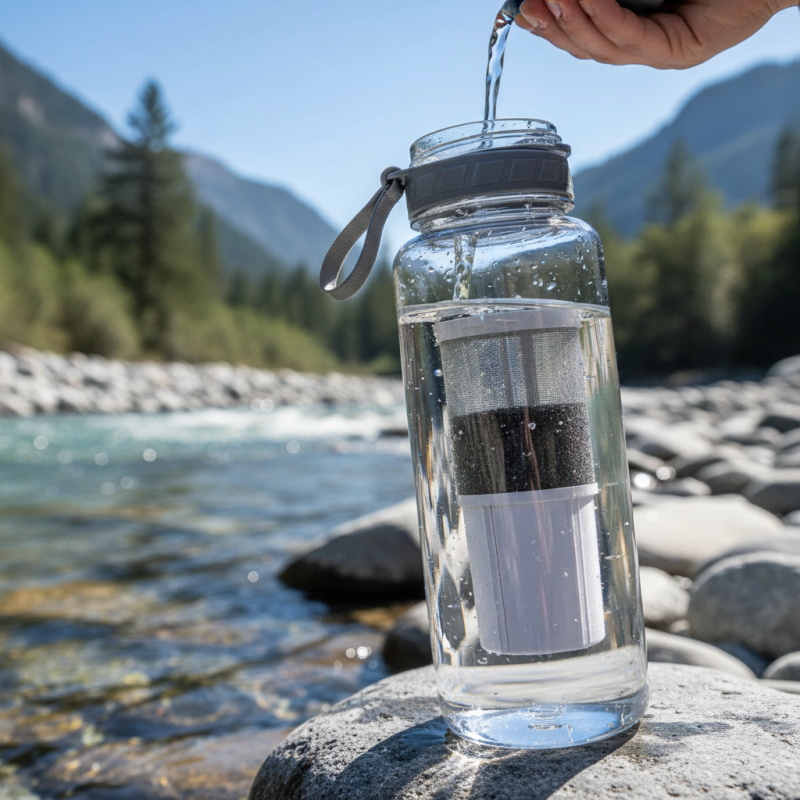
A filter bottle is a portable water bottle equipped with a built-in filtration system. It allows users to drink safely from various water sources. The filter removes harmful bacteria, viruses, and sediments. This makes it ideal for hiking, travel, and emergency situations.
Using a filter bottle is relatively straightforward. Fill the bottle with water, and drink as you normally would. The water passes through the filter, ensuring it's clean. However, not every source is equally safe. Always be cautious about water quality, especially in remote areas.
Tips: Remember to check the filter's lifespan. Replacing it regularly ensures effective filtration. Additionally, clean the bottle regularly to avoid bacterial growth. Don’t rely solely on the filter in extreme conditions. Sometimes, boiling water is a safer choice.
A filter bottle serves as a practical tool for clean hydration. Understanding its components enhances its value for outdoor enthusiasts or travelers. The bottle typically consists of a container, a filter element, a mouthpiece, and a cap. Each part plays a vital role in ensuring the water is safe for drinking.
The container is often made from durable materials, ensuring longevity during varied activities. The filter element can vary significantly, comprising technologies like activated carbon, hollow fiber membranes, or UV light. This element effectively removes harmful particles and bacteria. Some designs even include additional carbon layers for improved taste. The mouthpiece is designed for easy sipping, making hydration convenient.
While filter bottles are effective, they are not infallible. Regular maintenance is essential to preserve filter efficiency. Users sometimes forget to replace filters as recommended. This can lead to reduced water quality, negating the benefits. Additionally, users must be cautious about the source of the water they filter. Some sources may still pose risks, necessitating judgment and consideration.
Filter bottles offer a convenient solution for accessing clean drinking water. They use advanced filtration technologies to remove impurities, including bacteria, protozoa, and sediments. According to a report by the Water Quality Association, about 16 million Americans rely on water filtration systems. Filter bottles serve both outdoor enthusiasts and everyday users, demonstrating their adaptability.
The filtration process often involves activated carbon and hollow fiber membranes. Activated carbon absorbs contaminants, while membranes trap pathogens effectively. A study published in the Journal of Water and Health indicates that these systems can reduce contaminants by 99%, ensuring safety and taste. Despite this effectiveness, not all filter bottles perform equally, raising questions about their reliability and lifespan. Some users may need to replace filters more frequently than expected, adding to the cost and maintenance burden.
While filter bottles can purify water, they are not infallible. Reports indicate that improper use can compromise effectiveness. Not all contaminants are covered by the filters' specifications. Regular maintenance and proper usage are essential for optimal performance. Awareness of these factors can greatly influence user satisfaction and safety.
Filter bottles are becoming increasingly popular among outdoor enthusiasts and those seeking cleaner drinking water. These innovative bottles come equipped with built-in filters that remove contaminants from various water sources. This means you can hydrate on the go, whether you're hiking, camping, or traveling in areas with questionable water quality.
The benefits of using a filter bottle are numerous. They provide safe drinking water quickly and efficiently. You'll no longer need to carry heavy cases of bottled water. This not only saves space but also reduces plastic waste. Additionally, filter bottles can improve the taste of water by removing unpleasant odors. This encourages more hydration, which is vital for health, especially during physical activities.
When using a filter bottle, keep a few tips in mind. Regularly clean the filter to maintain its effectiveness. Check the replacement schedule for your specific filter; neglecting this can lower water quality. Lastly, always try to source clean water whenever possible. While filter bottles are effective, they can't remove every possible contaminant. Being mindful about your water source enhances your filter bottle experience.
Filter bottles have gained popularity for their effectiveness in providing clean drinking water. They come in various types, each tailored to different filtration needs. Knowing the available options can help consumers make informed choices.
The first type is the activated carbon filter. This filter effectively removes chlorine and improves taste. According to a report by the Water Quality Association, activated carbon filters reduce contaminants by up to 99%. These bottles are ideal for urban environments, where tap water might contain unwanted chemicals. However, they may not be as effective against heavy metals or viruses.