How to Choose the Right Packaging Equipment?

Choosing the right Packaging Equipment can determine whether a production line runs smoothly or loses hours to small delays. The decision involves more than comparing prices, speeds, or attractive brochures. Product type, package dimensions, material strength, filling accuracy, and available floor space all influence performance. A fragile glass jar may need gentle handling, while a heavy carton requires stronger conveyors and safer transfer points. The best choice begins with the product itself.

A practical evaluation should consider the entire operating environment. Review expected output, changeover frequency, cleaning routines, energy use, noise levels, and operator training needs. Ask manufacturers for measurable specifications, test results, warranty terms, and service response times. If possible, inspect equipment in a working facility. Watching an operator replace film or clear a minor jam can reveal more than a polished demonstration. Small details matter.

Perfect equipment does not exist.

Experienced teams also examine maintenance records and long-term reliability. A fast machine may become expensive if spare parts are difficult to obtain or technicians lack proper support. Compatibility with existing fillers, labelers, inspection systems, and warehouse processes deserves careful attention. Safety features must be practical, visible, and consistently usable. Industry standards and local requirements should guide the final review, not replace it. A thoughtful decision may still require compromise. That is normal. The goal is dependable performance, controlled costs, and packaging quality that remains consistent during real production, not only during a sales presentation.

How to Choose the Right Packaging Equipment?

Packaging Equipment: Definition, Purpose, and Main Categories

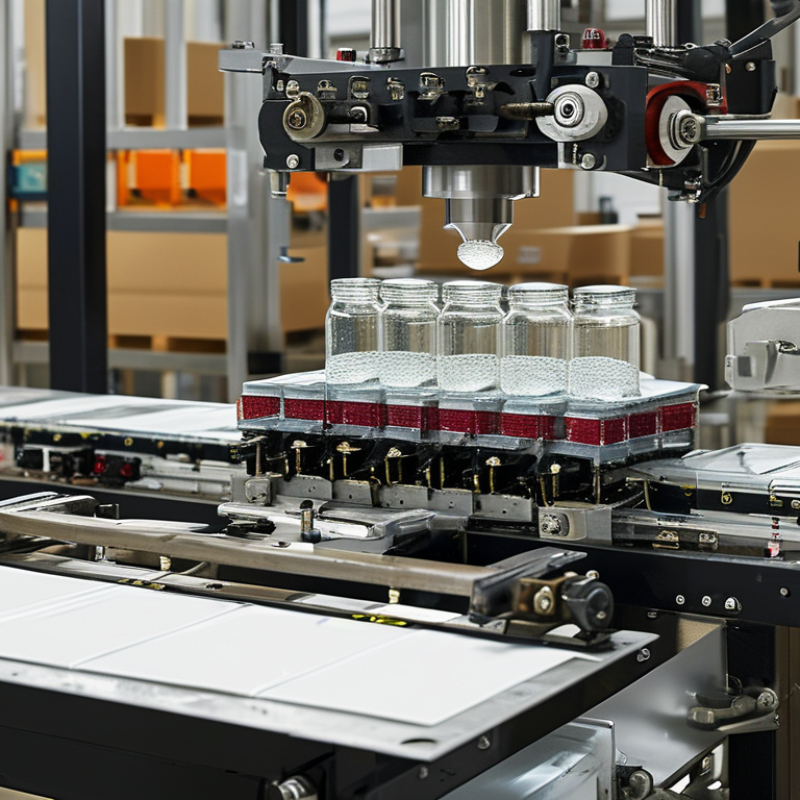
Packaging equipment is the machinery used to fill, seal, label, wrap, inspect, and palletize products. Its purpose is practical: protect goods, reduce handling time, and maintain consistent output. Main categories include filling machines, form-fill-seal systems, capping machines, cartoners, case packers, palletizers, and inspection units.

Choosing equipment starts with the product, not the machine. Liquid, powder, fragile, and irregular products need different feeding and sealing methods. Packaging format also matters. A flexible pouch may require less material, while a rigid container may offer stronger protection.

Smithers’ The Future of Global Packaging to 2028 projects the global packaging market will exceed 1.2 trillion dollars by 2028. This growth increases demand for automation, but higher speed is not always better.

Excessive speed can create jams, waste, and difficult maintenance. The perfect machine rarely exists. Plant conditions change, too.

Tips: Measure actual production losses before buying equipment. Check changeover time, cleaning access, spare-part availability, and operator training needs. PMMI industry reports consistently identify labor availability, automation, and equipment integration as major packaging priorities. Ask suppliers for trial runs using your real product and materials. Record seal strength, fill accuracy, downtime, and waste. A machine can look efficient during a demonstration, yet perform differently in a busy plant. That uncomfortable gap deserves attention.

Assessing Product, Material, and Packaging Requirements

Choosing packaging equipment starts with product behavior, not machine speed. A powder, liquid, fragile component, or sticky sauce each demands different handling. Record density, moisture, temperature, particle size, and flow before requesting quotations. Small differences matter. During line trials, observe whether the product bridges, spills, settles, or clings to contact surfaces. I once treated a free-flowing powder as uniform, but humidity changed its dosing accuracy within an afternoon. That mistake made testing more valuable than assumptions.

Packaging material must match both product and machine. Compare film thickness, stiffness, sealability, barrier performance, and recycled content. A thin film may reduce material use, yet wrinkle under heat or tear at the forming shoulder. Paper-based structures can require different sealing temperatures and pressure. Test real rolls, not laboratory samples alone. Check roll width, core size, winding direction, and print registration. Ask operators to inspect seals after drops, compression, and storage. A clean seal is not enough.

Define pack dimensions, fill range, closure style, changeover frequency, and acceptable waste. Measure actual output, including startup losses and cleaning time. Choose sensors and controls that support traceability and repeatable adjustments. Leave room for maintenance access. It is often overlooked. If the product varies seasonally, specify a wider operating window and validate the extremes. Document every trial condition, including room humidity and material lot. Packaging decisions improve when production, quality, and maintenance teams review the same evidence. Even then, revisit the specification after several weeks of operation.

How to Choose the Right Packaging Equipment? - Assessing Product, Material, and Packaging Requirements

Assessment Dimension Typical Requirement or Data Range Suitable Equipment Features Primary Selection Consideration
Product Form Powder, granule, liquid, paste, solid, or irregular item Auger filler for powders; volumetric or weigh filler for granules; piston or pump filler for liquids and pastes; counting or pick-and-place systems for discrete items The product’s flowability, viscosity, shape, and handling sensitivity determine the dosing and feeding method
Product Weight or Volume Common consumer-pack ranges may extend from a few grams to several kilograms, depending on the product category Servo-controlled dosing, multi-head weighing, load-cell feedback, or programmable volumetric filling Confirm target fill quantity, allowable variation, changeover range, and legal weight tolerances
Product Sensitivity Fragile, abrasive, dusty, oxygen-sensitive, moisture-sensitive, or temperature-sensitive products Gentle conveying, low-drop product transfer, dust extraction, inert-gas flushing, temperature-controlled sealing, or enclosed contact zones Minimize breakage, contamination, oxidation, moisture exposure, and heat damage during filling and sealing
Product Temperature Ambient, chilled, frozen, hot-filled, or heat-sensitive product conditions Corrosion-resistant construction, heated or cooled filling components, suitable sealing jaws, and condensation management Match equipment materials and sealing parameters to the product temperature at the point of packaging
Packaging Format Pouches, sachets, bags, cartons, trays, bottles, jars, tubes, or wrapped products Form-fill-seal, premade-pouch, cartoning, tray-sealing, bottling, capping, tube-filling, or flow-wrapping modules Select equipment that matches the required package geometry, opening style, closure, and presentation
Packaging Material Paperboard, corrugated board, polyethylene, polypropylene, polyester, aluminum foil, laminates, glass, or rigid plastics Material-specific forming, film tracking, sealing, folding, adhesive application, or container handling systems Check material stiffness, coefficient of friction, sealant layer, thickness, transparency, and dimensional consistency
Film or Web Thickness Flexible packaging films commonly vary from thin single-layer films to thicker laminated structures Adjustable forming collars, tension control, web alignment, temperature control, and pressure-adjustable sealing jaws Verify the permitted material thickness range and sealing window before purchasing equipment
Required Throughput Defined by packages per minute, units per hour, or kilograms per hour; actual output depends on product and format Single-lane or multi-lane operation, continuous motion, intermittent motion, automatic product loading, and buffer conveyors Size the line using sustainable operating speed rather than the machine’s maximum rated speed
Seal and Closure Requirements Heat seal, cold seal, induction seal, ultrasonic seal, adhesive closure, snap fit, screw cap, or crimp closure Controlled sealing temperature, dwell time, pressure, induction power, adhesive application, or cap torque Define seal strength, leak resistance, tamper evidence, opening force, and package shelf-life requirements
Dimensional Tolerance Package length, width, height, diameter, neck finish, and material registration must remain within specified limits Servo positioning, registration sensors, vision inspection, automatic adjustment, and format-part changeover Tighter tolerances generally require more precise controls and higher-quality incoming packaging materials
Hygiene and Cleanability Dry-clean, wet-clean, washdown, or hygienic production environments Stainless-steel product-contact parts, tool-less disassembly, sloped surfaces, sealed drives, and accessible inspection areas Choose a construction standard that supports cleaning frequency, sanitation chemicals, and contamination-control procedures
Inspection and Traceability Fill-weight verification, seal inspection, barcode reading, date coding, metal detection, or reject confirmation Checkweighers, vision systems, code readers, seal testers, metal detectors, reject devices, and production data logging Integrate quality checks at the point where defects can be detected and removed with minimal product loss
Changeover Requirements One package size and product, or frequent changes across multiple sizes and recipes Quick-release format parts, recipe storage, tool-less adjustment, guided setup, and digitally controlled parameters Consider changeover time, operator skill, format-part cost, and the number of planned product variations
Utilities and Site Conditions Electrical supply, compressed air, vacuum, floor space, ceiling height, temperature, and humidity Energy-efficient drives, correctly sized pneumatic systems, integrated guarding, extraction, and compatible control voltage Confirm utility consumption and installation conditions before final equipment selection
Future Capacity Expected growth in production volume, new package sizes, additional products, or increased automation Modular conveyors, expandable controls, spare input/output capacity, additional dosing stations, and upgrade-ready software Balance current investment against future flexibility, available floor space, and total cost of ownership

Note: The ranges and recommendations above are general engineering guidelines. Final equipment specifications should be confirmed through product trials, material testing, package validation, and applicable regulatory requirements.

Comparing Equipment Types, Features, and Production Capacity

How to Choose the Right Packaging Equipment?

Choosing packaging equipment starts with the product, container, and expected production volume. Manual equipment suits small batches and frequent product changes. It also requires more labor and creates greater variation. Semi-automatic systems offer better consistency without demanding a fully integrated line. Automatic equipment supports high output, but it needs stable materials, trained operators, and reliable maintenance.

Equipment type affects both speed and flexibility. Form-fill-seal machines can reduce handling steps for compatible products. Cartoning and case-packing systems work better when products need rigid protection. Check the sealing method, filling accuracy, control interface, cleaning access, and changeover time. These features often matter more than the advertised maximum speed. A machine rated at 120 packs per minute may produce only 85 usable packs after stops and rejects. Production reality is less tidy.

Calculate capacity from actual demand, not optimistic forecasts. Include startup losses, material changes, inspections, and planned downtime. A simple capacity test with your real product can reveal feeding problems or weak seals. My first estimate was wrong because I ignored ten-minute changeovers between sizes. That mistake affected the entire line balance. Ask suppliers for documented test results, operator training, spare-part support, and maintenance requirements. Safety guarding and clear operating procedures also deserve attention.

More automation is not always better. It may increase output while reducing flexibility for smaller orders.

Evaluating Automation, Compatibility, Safety, and Maintenance

How to Choose the Right Packaging Equipment?

Evaluating Automation, Compatibility, Safety, and Maintenance

Automation should solve a clear production problem, not simply add speed. Check loading, sealing, labeling, inspection, and product handling separately. A short line trial can reveal jams that a sales demonstration misses. Measure changeover time with real operators and actual packaging materials. A faster machine can still create expensive waste.

Compatibility depends on more than package size. Review material thickness, product shape, moisture, temperature, and line speed. Confirm electrical, air, floor-space, and data requirements before ordering. Ask whether the equipment supports future package sizes. Small adjustments matter. A narrow guide rail may damage soft cartons during high-speed runs. That detail is easy to overlook.

Safety must include guarding, emergency stops, access control, and clear cleaning procedures. Operators should reach routine controls without standing near moving parts. Maintenance access deserves equal attention. Inspect lubrication points, belts, sensors, seals, and removable covers during a site visit. Diagnostic screens can reduce downtime, but they cannot replace trained technicians. Keep critical spare parts available, even when the supplier promises quick delivery. That promise may not fit your schedule. Review lockout procedures, inspection records, and training needs before installation. An honest equipment review should include weaknesses. No machine performs perfectly without proper setup, cleaning, and disciplined maintenance.

Choosing Equipment Based on Budget, Space, and Future Growth

How to Choose the Right Packaging Equipment?

Choosing Equipment Based on Budget, Space, and Future Growth

Budget should include more than the purchase price. Add installation, training, spare parts, energy, and maintenance costs. A low-cost machine may create expensive downtime later. The Packaging Machinery Manufacturers Institute reports that labor availability remains a major automation concern in packaging operations. Equipment that reduces repetitive work can protect output, but automation should match actual production needs. Buying too much capacity can waste valuable cash and floor space.

Space changes the decision. Measure ceiling height, access doors, utility points, operator movement, and cleaning areas. Leave room for safe maintenance. The U.S. Bureau of Labor Statistics projects 15% growth for industrial machinery mechanics and millwright roles from 2023 to 2033. This suggests maintenance talent may become harder to secure. Select equipment with clear diagnostics, accessible components, and practical remote support. Future expansion also matters. Modular conveyors, adjustable tooling, and compatible control systems can support new package sizes. Still, flexibility is not free. Some features may never be used.

Tips: Build a three-year total-cost model before requesting quotes. Test the smallest realistic batch, not only the fastest run. Ask operators to review changeover steps. Record minutes, tools, and errors. Challenge optimistic assumptions. Your forecast may be wrong. That is normal. Choose equipment that can grow without forcing a complete line replacement. Use PMMI reports, supplier service records, and documented trial results to verify claims.