How to Implement Machine Vision Inspection in Manufacturing?

In the rapidly evolving manufacturing landscape, Machine Vision Inspection has emerged as a critical technology. Studies show that over 70% of manufacturers are investing in automation solutions. This shift is driven by the need for higher accuracy and efficiency. Machine Vision systems are equipped with high-resolution cameras and advanced algorithms that enhance quality control.

However, implementation challenges persist. Integrating Machine Vision Inspection requires significant upfront investment and staff training. A report from McKinsey highlights that nearly 50% of companies struggle with adaptation and maintenance of these systems. Furthermore, the variability in product designs complicates the inspection process.

For Machine Vision to realize its full potential, manufacturers must address these challenges. Regular evaluations and updates are essential for success. Although the technology promises improvements, it is not a one-size-fits-all solution. Ongoing learning and flexibility in strategies will be critical for manufacturers seeking to optimize their inspection processes.
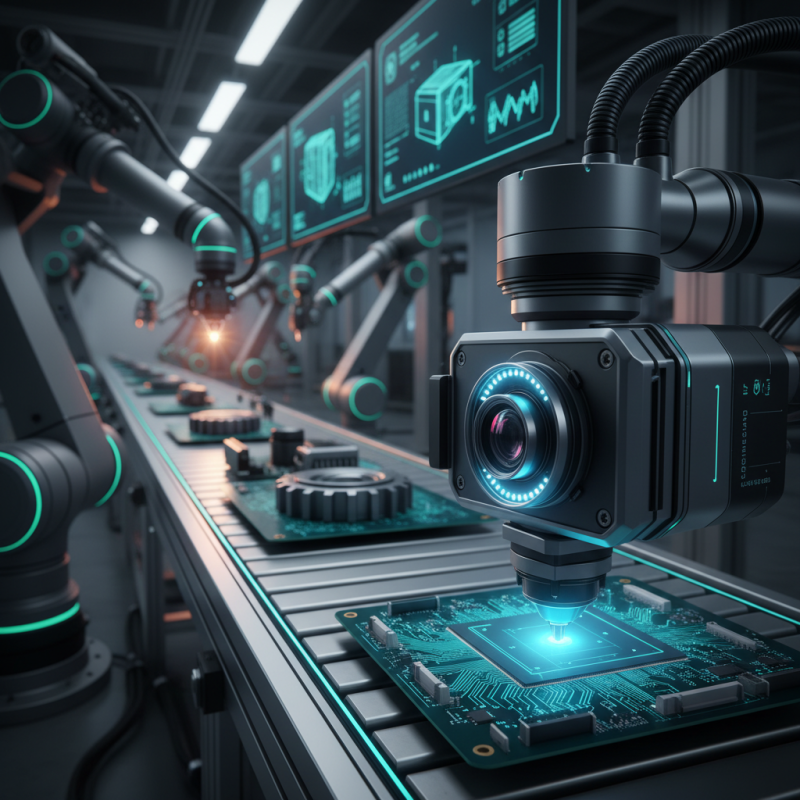
How to Implement Machine Vision Inspection in Manufacturing?

Understanding Machine Vision Inspection Systems

Machine vision inspection systems are transforming manufacturing. These systems utilize cameras and algorithms. They inspect products for quality and defects. Real-time data collection is vital. This allows for immediate corrections on the production line. Errors can lead to significant costs. So, ensuring the accuracy of the inspection process is crucial.

Getting started requires understanding your specific needs. Different applications may require various types of cameras. For instance, some products need high-resolution images, while others may only need basic checks. Integration is another challenge. The inspection systems must work seamlessly with existing machinery. Sometimes, improper alignment occurs, leading to missed defects. Regular calibration is necessary to maintain effectiveness.

Training your staff is an essential step. They need to interpret the data generated by the system. Misinterpretation can lead to faulty decisions. Sometimes, the technology can feel overwhelming. Simplifying procedures and ongoing support can alleviate these issues. Constant updates and maintenance are also required. Over time, systems can become outdated. Reflecting on the effectiveness of these systems is vital for sustained success.

Identifying the Key Components of Machine Vision Solutions

Implementing machine vision inspection in manufacturing requires a focus on its key components. The backbone of any vision system is the camera. High-resolution cameras capture detailed images. They can identify defects in products quickly. However, lighting also plays a crucial role. Proper lighting ensures that the camera captures the best quality images. Without the right lighting, even the best camera may struggle.

Another important component is the software. Advanced algorithms process the captured images. They help in recognizing patterns and defects. But choosing the right software isn't easy. Different applications may require specific vision algorithms. Manufacturers must consider their unique needs.

Integration can be tricky. Connecting the vision system with existing machinery often poses challenges. There may be compatibility issues. Plus, operator training is essential for effective use. Without proper training, errors can increase. This can lead to downtime and costly mistakes. Reflecting on these aspects helps ensure a successful implementation.

Steps for Integrating Machine Vision in Manufacturing Lines

Integrating machine vision in manufacturing is a complex journey, but one that can lead to significant efficiency gains. Industry reports indicate that 80% of manufacturers face quality control challenges. Implementing a machine vision system can help address these issues effectively. First, it’s vital to assess your current production line. Identify key areas that require inspection, such as product measurements and surface flaws.

After pinpointing these areas, the next step involves selecting the right technology. Various sensors and cameras are available, each suited for different tasks. A visual inspection system might miss defects that human eyes catch. This discrepancy emphasizes the need for ongoing evaluation and adjustments throughout integration. In fact, a study showed that 30% of machine vision systems failed to meet initial expectations. Regular training for staff is essential to maximize performance and adapt to changes in production.

Finally, data analysis plays a critical role in refinement. Implementing a feedback loop allows teams to learn from inspections and improve processes. Real-time data can reveal patterns that highlight recurring issues. Although installing a machine vision system can be costly, the potential ROI is evident. A report found that companies experienced up to a 25% increase in production efficiency post-implementation. Addressing early challenges can pave the way for sustained benefits.

How to Implement Machine Vision Inspection in Manufacturing? - Steps for Integrating Machine Vision in Manufacturing Lines

Step Description Tools/Technologies Expected Outcomes
1 Define Inspection Requirements N/A Clear criteria for inspection
2 Select Appropriate Vision System Cameras, Lighting, Software Optimized image acquisition
3 Set Up Hardware Mounts, Sensors, Cables Safe and efficient setup
4 Develop Inspection Algorithms Machine Learning, Image Processing Software Automated detection and analysis
5 Test and Validate System Test samples, Data Analysis Tools System reliability and accuracy
6 Integration with Manufacturing Line PLC, SCADA Systems Seamless operation within the line
7 Monitor and Optimize Performance Monitoring Tools Continuous improvement of inspection

Evaluating the Effectiveness of Machine Vision Inspections

Implementing machine vision inspections can transform manufacturing processes. Evaluating their effectiveness is key to understanding their impact. According to a report by McKinsey, manufacturers can improve inspection accuracy by over 90% using machine vision. This technology minimizes human error and enhances product quality.

Tips for effective implementation: Start small. Test machine vision systems on less critical products first. This allows for adjustment without significant losses. Evaluate the system regularly. An ongoing assessment can reveal inaccuracies early. Data from industry surveys shows that companies achieving a 30% reduction in defect rates attributed much of their success to continuous evaluation.

However, the technology isn’t infallible. Lighting conditions, camera angles, and environmental factors can all hinder performance. A study found that incorrect lighting led to a 25% drop in detection rates. Manufacturers must be aware of these limitations. Regular training for engineers and operators is essential. This ensures they understand how to optimize the system for their specific environments. Engaging in feedback loops enhances overall system performance.

Future Trends and Innovations in Machine Vision Technology

The future of machine vision technology is promising, with rapid advancements transforming the manufacturing landscape. A recent report indicates that the global machine vision market is expected to reach $12 billion by 2025, growing at a CAGR of 9.9%. This growth is driven by industries seeking more efficient inspection processes that reduce errors.

Innovations like artificial intelligence and deep learning are being integrated into machine vision systems. AI enhances image processing, making inspections faster and more accurate. For instance, these systems can analyze thousands of images in seconds, identifying defects that are invisible to the human eye. However, reliance on AI raises questions about transparency and accountability.

As these technologies advance, manufacturers face challenges. Integrating machine vision into existing workflows can be complex. Many companies struggle with establishing the right infrastructure. Data security remains a significant concern, as sensitive information is at stake. Balancing innovation with these challenges is crucial for a successful implementation.

Machine Vision Technology Adoption in Manufacturing (2023)