What is a Lineless Label Printer and How Does It Work?

In recent years, the demand for efficient labeling solutions has surged. Businesses across various sectors are seeking innovations that improve productivity. Enter the lineless label printer, a game-changer in the labeling industry. This technology eliminates backing paper, reducing waste significantly. According to industry reports, this not only enhances printing efficiency but also helps businesses reduce their environmental footprint.

The lineless label printer operates by using adhesive technology, allowing labels to be printed and dispensed without traditional backing materials. This results in a streamlined workflow. A study published by Smithers Pira estimates that the market for such printing technologies is expected to grow at a CAGR of 4.8% between 2022 and 2027. While the benefits are clear, businesses still face challenges in integrating new technologies. Many may struggle with transitioning from traditional methods to more advanced systems.

As companies explore the lineless label printer, they must consider their specific needs. Not every organization may find this technology suitable at first glance. Balancing cost, efficiency, and ease of use will be crucial. The journey toward modern labeling solutions demands both foresight and practical evaluation. Investing in lineless printing could prove to be a transformative step for many, but careful thought should precede this adaptation.
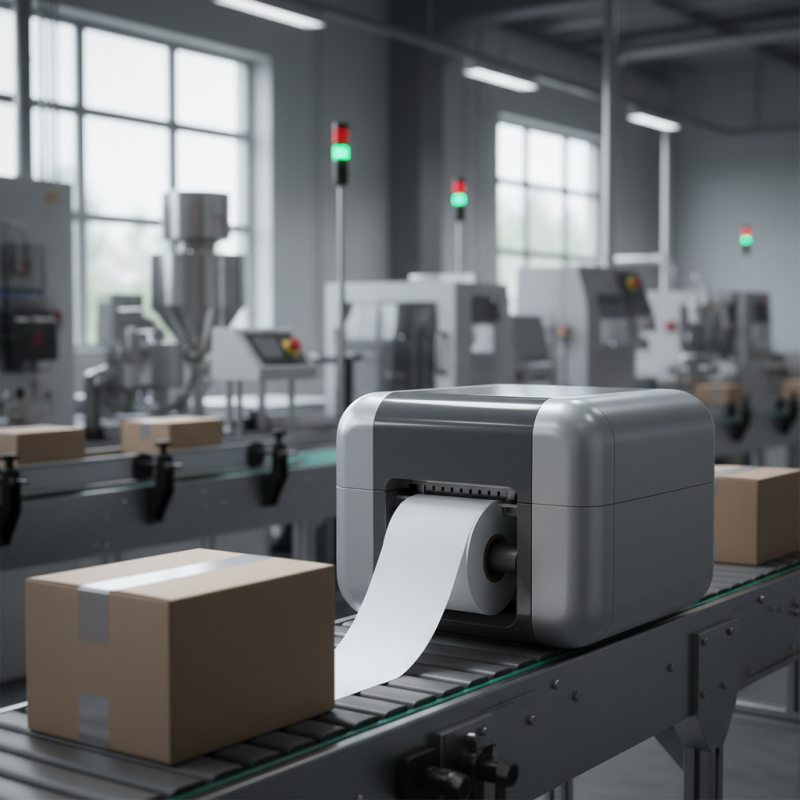
What is a Lineless Label Printer and How Does It Work?

Understanding Lineless Label Printers: Definition and Purpose

Lineless label printers have transformed how we create labels. They use a unique method to print directly on the label material. This process eliminates the need for backing paper. As a result, you get a cleaner product with fewer waste materials.

Understanding the purpose of lineless label printers is essential. They are designed to streamline the labeling process. Businesses can save time and resources. This efficiency is critical for fast-paced operations. However, the initial learning curve may challenge some users. Practice is necessary to get comfortable with the device.

Tips: Experiment with different label materials. Each type may respond differently to printing. Don’t be afraid to make mistakes. Adjustments can lead to better results. Also, keep your printer clean for optimal performance. A little maintenance goes a long way in prolonging the device's life.

The Technology Behind Lineless Label Printers: Key Components

Lineless label printers represent a significant advancement in label printing technology. These printers operate without traditional backing, which often leads to waste. The key components include thermal printing technology, precision sensors, and innovative software. Thermal printing uses heat to create images directly on the label material. This method is efficient and often results in clearer prints compared to conventional methods.

According to a recent industry report, the global demand for efficient printing solutions has surged by 15% over the past two years. Businesses are increasingly focusing on sustainability and waste reduction. Lineless label printers help achieve these objectives. They eliminate the need for release liners, which often end up in landfills. Precision sensors enhance the printing process, ensuring accurate alignment and consistent quality. However, challenges remain. These machines can be costly, making initial investments high for small businesses.

The software driving these printers is also crucial. It allows users to design labels easily and customize them swiftly. But, not all software is user-friendly. Reports indicate that 30% of users face difficulties in navigation. This can hinder productivity. As technology advances, refining these areas will be essential for wider adoption and efficiency.

How Lineless Label Printers Operate: Step-by-Step Process

Lineless label printers are innovative devices that simplify label printing. They utilize a unique technology that eliminates the need for traditional backing paper. This makes the process cleaner and more efficient. Understanding how these printers work can demystify their operation.

The first step in the operation involves loading a roll of linerless label stock. This stock is designed with a special adhesive, allowing labels to stick without a backing. The printer feeds the material and starts the printing process. As labels are printed, they are cut into individual pieces. This cutting is precise, ensuring each label is ready for application. Users can set the printer to create specific shapes or sizes, enhancing versatility for various applications.

After printing, users should be mindful of how they store the labels. If left exposed, labels could degrade or lose adhesion. It’s important to package them properly. A common mistake is ignoring environmental factors. Humidity and temperature can affect the quality of labels. The ease of use of lineless label printers does not exempt users from potential challenges. Awareness of these issues leads to better outcomes and a smoother experience.

Benefits of Using Lineless Label Printers in Various Industries

Lineless label printers are transforming various industries with their innovative technology. These printers operate without traditional backing, making them eco-friendly and efficient. In logistics, they cut waste by up to 40%, according to industry reports. This reduction can significantly decrease costs and environmental impact, appealing to businesses prioritizing sustainability.

In healthcare, lineless label printers enhance accuracy. They ensure labels stay intact during critical processes. A study showed that labeling errors could lead to costly consequences, influencing patient safety. Using these printers can mitigate such risks. Industries using lineless technology can save time and improve compliance with regulatory standards.

Tips: Regular maintenance of printers is vital for optimal performance. This ensures high-quality labels without interruptions. Training staff on proper usage can also prevent common mistakes, like misalignments or wasted materials. Using a more systematic approach in printing can save resources and enhance productivity.

Comparing Lineless Label Printers with Traditional Label Printing Methods

Lineless label printers are revolutionizing how labels are created. Unlike traditional methods, which often involve bulky materials and multiple steps, lineless printers offer a streamlined approach. They print directly onto die-cut labels, eliminating the need for backing paper. This leads to less waste and a cleaner production process. The design flexibility is a significant advantage, allowing for more creative label shapes.

Comparing these printers with traditional ones reveals their unique benefits. Traditional printing usually requires separate label sheets and cutting machinery. This can be time-consuming and creates excess materials. Lineless printers, however, simplify the process. They reduce setup time, making small batch printing more accessible. Despite these advantages, users may find initial costs higher. The technology is also evolving, and it might take time to perfect. Overall, while lineless label printers bring efficiency, there are still challenges to consider.