What is a PP Woven Bag and its Advantages for Packaging?
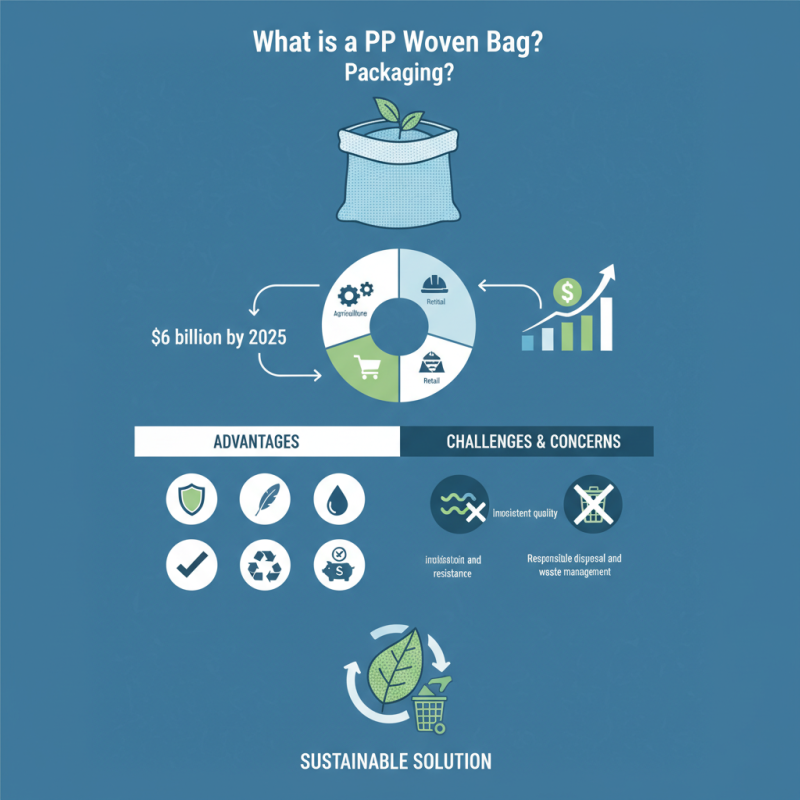
PP Woven Bags are becoming a vital choice for various packaging needs. According to a recent market analysis, the global demand for PP woven bags is projected to reach $6 billion by 2025. This growth reflects their increasing importance in sectors like agriculture, construction, and retail.
These bags offer numerous advantages. They are durable, lightweight, and resistant to moisture. Industries report lower packaging costs due to the reusable nature of these bags. In many cases, businesses have found they can cut down waste by using PP woven bags. However, some suppliers experience challenges in ensuring consistent quality.
Moreover, while PP woven bags are eco-friendlier than alternatives, they still raise concerns. The need for responsible disposal remains critical. Overall, PP Woven Bags provide a sustainable solution but require a commitment to proper waste management.
What is a PP Woven Bag? Definition and Key Characteristics
PP woven bags are made from polypropylene, a versatile thermoplastic polymer. These bags are known for their strength and durability. They are widely used in packaging agricultural products, construction materials, and retail goods. Industry reports indicate that the global PP woven bag market is projected to grow significantly, driven by demand in sustainable packaging solutions.
One key characteristic of PP woven bags is their customizable nature. They can be produced in various sizes, colors, and designs, catering to diverse customer needs. These bags also offer excellent moisture resistance, making them ideal for storing grains and fertilizers. According to a report by Grand View Research, the moisture barrier properties of PP woven bags enhance product shelf life by up to 30%.
Tips: Always consider the bag’s weight capacity before use. Most PP woven bags can hold heavy loads, but it's crucial to check specifications. Make sure to choose bags with UV resistance for outdoor applications. Not all bags offer this feature, so inquire before purchasing. While PP woven bags have many advantages, their disposal can be an environmental concern that needs addressing.
What is a PP Woven Bag and its Advantages for Packaging?
| Characteristic | Description |
| Material | Made from polypropylene (PP), a thermoplastic polymer. |
| Strength | High tensile strength, able to hold heavy loads. |
| Water Resistance | Resistant to moisture and water damage. |
| Eco-friendliness | Can be recycled, contributing to reduced environmental impact. |
| Cost-effectiveness | Lower production and material costs compared to other bags. |
| Customizability | Can be printed with designs, logos, and colors for branding. |
| Durability | Long-lasting, resistant to weather and wear. |
The Manufacturing Process of PP Woven Bags: A Step-by-Step Guide
PP woven bags are becoming popular in packaging due to their durability and versatility. Understanding their manufacturing process is crucial. Initially, polypropylene pellets are heated and melted. This creates a liquid form that is then extruded into thin strands. These strands cool and harden into plastic tape.
Next, the tape is woven to form fabric. Weaving is done through a shuttle loom, which intertwines the strands. This fabric is remarkably strong. It can resist tearing and offers excellent protection for the contents. After weaving, the fabric is cut to size. Bags are then sewn or stitched to create individual units.
Finally, the bags are printed with designs or logos if needed. Quality control checks ensure they meet standards. It’s important to note that not all manufacturing processes are perfect. Some bags may have inconsistencies, like uneven stitching. This can lead to weaknesses. These details are crucial for ensuring that the final product is reliable and functional.
Comparative Analysis: PP Woven Bags vs. Other Packaging Materials
PP woven bags have gained popularity in the packaging world, but how do they stack up against other materials? One key advantage of PP woven bags is their durability. They can hold heavy loads without tearing easily. This is not always the case with paper or plastic bags. Paper bags can weaken when wet, while single-use plastics may not be as resilient during transit.
Another aspect worth considering is environmental impact. PP woven bags are reusable and often recyclable. They last longer than paper bags, which can be a one-time use item. However, their production does use petrochemicals, leading to carbon emissions. In contrast, biodegradable materials offer eco-friendliness but may lack the strength of PP woven bags. Finding a balance between durability and sustainability is crucial.
Cost is another factor in the comparison. PP woven bags are generally affordable and provide good value, especially for bulk packaging. Yet, some businesses point out that investing in more sustainable options may attract eco-conscious customers. Reflecting on these points can lead to better packaging choices that meet both practical and ethical standards.
Advantages of PP Woven Bags in Sustainability and Recycling Efforts
PP woven bags are gaining attention in sustainability discussions. These bags are made from polypropylene, a versatile and durable plastic. Their lightweight nature reduces transportation costs. However, there is debate on their long-term environmental impact.
One major advantage of PP woven bags is their recyclability. Many recycling centers accept them, promoting better waste management. These bags can be reprocessed and transformed into new products. Still, the recycling rate remains a concern. Many consumers are unaware of how to recycle these bags properly. Increased awareness is crucial.
Sustainability efforts rely heavily on the materials we choose. PP woven bags can last long, reducing the need for single-use options. Using these bags does encourage a shift towards more eco-friendly practices. However, there’s room for improvement in manufacturing processes. Embracing innovation can help reduce energy usage and waste.
Advantages of PP Woven Bags for Packaging
This chart illustrates the various advantages of PP woven bags for packaging. Each advantage is rated on a scale from 1 to 10, with durability and reusability scoring the highest, reflecting their significance in sustainable and cost-effective packaging solutions.
Market Trends: Growth and Demand for PP Woven Bags in Various Industries
PP woven bags are gaining traction across various industries, reflecting a notable rise in market demand. These bags are durable and lightweight, making them ideal for packaging a wide range of products. Agriculture, construction, and retail sectors have started recognizing their benefits. The potential for reuse also draws enthusiasts interested in sustainability. However, not all manufacturers meet quality standards. This inconsistency can lead to trust issues among consumers.
Market trends show a shift towards environmentally friendly alternatives. Many companies are now focusing on reducing plastic waste. PP woven bags, being recyclable, fit this vision. Some industries still hesitate due to cost concerns. They might overlook the long-term savings from using durable packaging solutions. As awareness grows, more businesses are expected to adopt these bags. However, the challenge remains in educating small businesses about technical specifications and durability parameters. The potential for growth is significant, but it requires a collective effort from stakeholders in the supply chain.
 English
 Español de México