The sand molding process is a key technique in metal casting. It offers flexibility and precision, making it popular in many industries. This method involves creating molds from sand mixtures. The main advantage is its ability to produce complex shapes.
However, achieving quality casting can be challenging. Factors such as sand grain size and moisture content play a critical role. These variables can affect the final product's strength. Improper mixing can lead to defects, requiring careful attention.
Understanding the intricacies of the sand molding process is crucial. It requires not just technical skills, but also an eye for detail. A small oversight can lead to significant flaws. Thus, reflecting on each stage of production is vital for improvement.
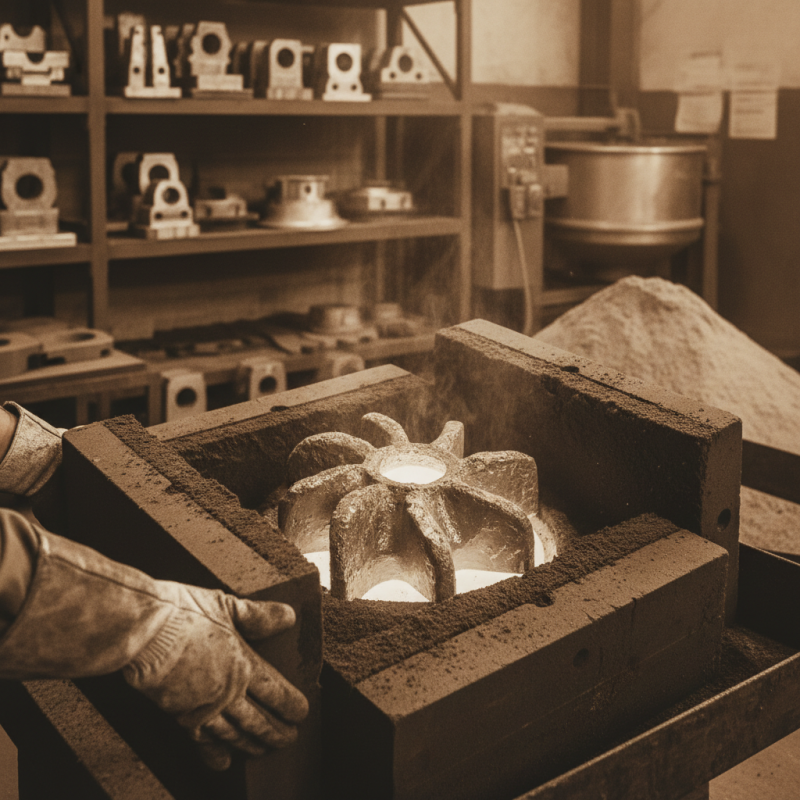
The sand molding process is a vital technique in quality casting. It involves creating a mold with sand that can withstand molten metal. The sand is mixed with a binder to help it hold shape. Each step in this process requires precision and attention. If the mixture is too dry, the mold may crumble. On the other hand, too much binder can lead to defects.
During the molding, it’s important to compact the sand evenly. This ensures that the mold can handle the pressure from the metal. Even slight inconsistencies can lead to poor casting quality. After pouring the metal, cooling is just as crucial. If cooled too quickly, the metal can warp. Insufficient cooling can lead to internal stresses. Finding the right balance takes experience and may involve trial and error.
Inspecting the mold before and after use is essential. Check for cracks or loose areas. A small flaw can result in a huge defect in the casting. Keep track of what works and what doesn’t. Documenting these details helps in refining the process. Mistakes can be teachers, helping improve future outcomes. Quality casting relies on not just the right materials but also on the right techniques.
The sand molding process relies on vital materials for successful casting. The primary ingredient is silica sand. This fine, granular material is essential for creating a strong mold. Silica sand can withstand high temperatures. This property is crucial for molten metal, ensuring it doesn’t deform the mold.
Another important component is binder. The binder holds the sand grains together. Clay is often used as a natural binder. However, mixtures of synthetic binders are becoming popular. These alternatives can provide better control over mold strength. Sometimes, binders don’t perform as expected. Adjustments may be necessary to achieve the desired consistency.
Additionally, moisture content impacts the molding process. Too much moisture can weaken the mold. It can lead to defects in the final product. Conversely, too little moisture may cause the sand to crumble. Finding the right balance takes experimentation. Perfecting these materials is critical. Quality casting frequently hinges on these choices.
Creating sand molds is a critical part of the casting process. It involves various steps to ensure quality results. The basics start with selecting the right sand. Use a mixture that retains shape well. According to industry reports, about 70% of all castings are made using sand molding techniques.
To build a sand mold, begin with a sturdy base. The base supports the mold and helps maintain its shape. Packing sand tightly around the pattern creates a solid mold. Use a rammer for even compaction. This action is crucial; poorly packed sand leads to defects. A recent survey indicated that 30% of casting failures are due to insufficient mold strength.
Tip: Always inspect your patterns for imperfections. Even small flaws can cause significant casting issues. Consistency in moisture content is key. Too much moisture can lead to steam during pouring, causing defects.
When finished, remove the mold carefully to avoid breaking it. Check the cavity for sand inclusions. Incomplete removal can affect the final cast. Being meticulous during this phase can prevent costly remakes.
Tip: Always keep records of your mold-making experiences. They provide invaluable information for future improvements. Reflection on past mistakes is essential for refining your process.
| Step | Description | Materials Needed | Estimated Time |
|---|---|---|---|
| 1 | Prepare the pattern for molding. | Pattern material (metal or wood) | 30 minutes |
| 2 | Mix sand with bonding agent. | Sand, binder, water | 15 minutes |
| 3 | Create the mold by compacting sand around the pattern. | Compression tools | 1 hour |
| 4 | Remove the pattern carefully from the mold. | None | 20 minutes |
| 5 | Pour molten metal into the mold. | Molten metal | 30 minutes |
| 6 | Allow the metal to cool and solidify. | None | 1 hour |
| 7 | Break the mold to retrieve the casting. | Mold material | 30 minutes |
Using the sand molding process is essential for quality casting. Enhancing mold strength and accuracy is crucial for production. Here are some techniques to improve your molds.
To achieve better mold strength, start with high-quality sand. The sand should be clean, dry, and well-graded. A moisture content between 2% and 6% is ideal. Too much moisture can weaken the mold. Meanwhile, too little can lead to cracking.
Another technique is to use proper compaction methods. Compact the sand evenly to ensure a solid mold structure. You can use hand tools or vibrating tables. Pay attention to corners and edges. These areas often need more attention.
Tips: Always check the sand consistency before pouring. A simple test is to squeeze a handful. If it holds shape but easily breaks apart, it's good to use. Additionally, consider temperature control. Molds too hot or cold can affect the casting quality. Find the right balance for optimal results.
Lastly, you might face issues with mold accuracy. It’s important to refine the pattern design frequently. Small changes can significantly affect the final product. Reflection on past projects helps in decision-making. Keep an eye on the finer details for continuous improvement.
Sand molding casting is a popular process in manufacturing. However, it comes with common challenges. For example, defects like sand inclusion can occur. According to the American Foundry Society, around 25% of all castings have some type of defect. This shows the importance of addressing issues early in the process.
Moisture control is another significant challenge. Too much moisture leads to defects such as blowholes. A study revealed that controlling moisture levels within 1% can reduce blowhole occurrences by 30%. This simple adjustment requires constant monitoring. Maintaining the right balance is crucial yet often neglected.
Additionally, the sand's composition can vary, affecting casting quality. Many facilities still use outdated sands, which can lead to inconsistencies. Using modern sand mixtures can improve strength and reduce defects. Yet, the initial cost of these materials can deter some manufacturers. Finding a balance between cost and quality is essential for long-term success. Constant evaluation of materials and methods can lead to better results.