What is a square bucket and its uses in various industries?
The square bucket is a versatile container used across various industries. Its unique shape offers significant advantages over traditional round buckets. Square buckets maximize storage space, making them ideal for transportation and organization.
In the construction industry, square buckets are essential for mixing and carrying materials. Their flat sides provide stability and easier stacking. This design reduces spills during transit, enhancing both safety and efficiency on worksites. However, one might question the durability of these buckets under extreme conditions.
In the agricultural sector, square buckets serve diverse purposes, from feeding livestock to storing grains. The shape allows for more compact storage, which is crucial for farms with limited space. Yet, one must consider the ergonomics of lifting a full square bucket. Over time, this could lead to strain or injury if not used correctly. The square bucket showcases practicality, but users must remain mindful of its limitations.
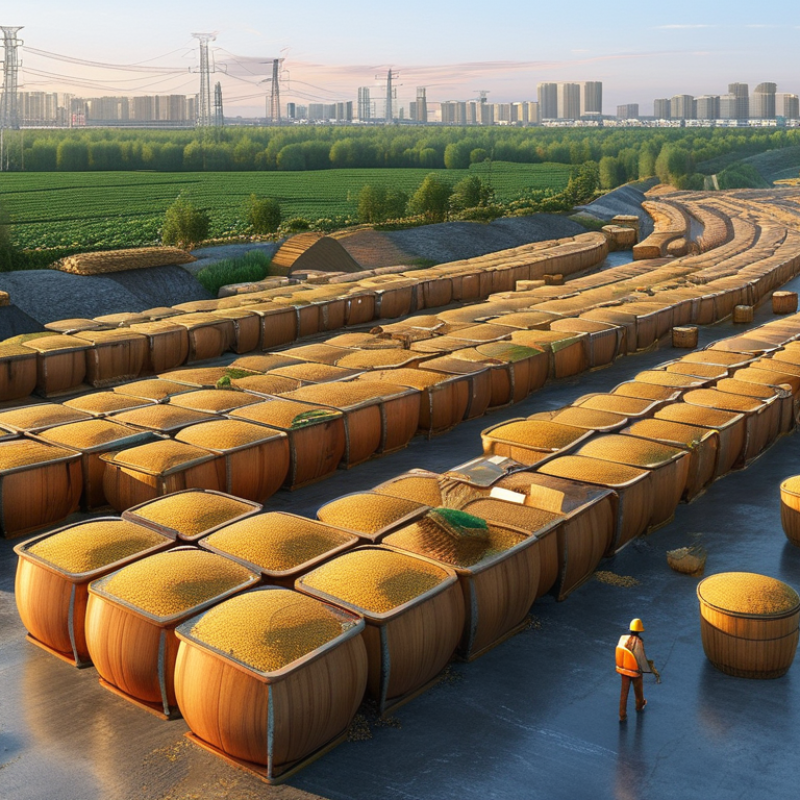
Definition of a Square Bucket and Its Distinctive Features
A square bucket is designed with a cubical shape, differing from traditional round buckets. Its flat sides allow for efficient stacking and storage, making it ideal for various uses. The even distribution of weight in a square bucket provides stability during transportation. This shape also enables ease of mixing and pouring, particularly in construction and landscaping.
In construction, square buckets are commonly used for carrying concrete, gravel, and sand. Their shape prevents spillage, ensuring materials remain contained. In the agricultural sector, they serve to carry seeds, fertilizers, or water efficiently. The square design enhances accessibility and maximizes space in a vehicle or storage area.
Tip: When choosing a square bucket, consider the material used. Depending on the application, options can vary from durable plastic to heavy-duty metal.
Care should be taken with square buckets. They can become cumbersome if overloaded, leading to potential spills. Always assess the weight and contents before lifting. This ensures safety and prevents accidents.
Tip: Regularly check for cracks or damages. A compromised bucket might fail to hold materials effectively.
Common Materials Used in the Manufacture of Square Buckets
Square buckets are gaining popularity across various industries due to their unique design. The choice of material for manufacturing these buckets plays a crucial role in their functionality and durability. Common materials include plastic, metal, and composite materials. Each of these materials offers distinct advantages based on the specific use case.
Plastic square buckets are lightweight and corrosion-resistant. This makes them ideal for agriculture and food service industries. According to industry reports, plastic products account for over 60% of the market due to their affordability. On the other hand, metal square buckets, commonly made from stainless steel, are favored in construction and heavy-duty scenarios. Their robust nature allows them to withstand harsh environments, although they can be more expensive.
Tips: Always consider the weight of the materials involved. A heavier bucket might cause fatigue during use. Ensure your selection aligns with the specific application's needs. For example, food-grade plastics are essential in food-related uses to prevent contamination. Misjudging the material can lead to unexpected failures, such as rust or breakage, which could disrupt operations.
Applications of Square Buckets in Construction and Landscaping
Square buckets are versatile tools widely used in construction and landscaping. Their unique shape offers several advantages over traditional round buckets. For instance, square buckets can be easily stacked, maximizing storage space on job sites. This feature is particularly useful for contractors who need to transport multiple buckets simultaneously. The flat edges also allow workers to easily fill and empty the buckets, reducing spillage and waste.
In landscaping, square buckets are often utilized for planting and transporting soil or other materials. They are great for carrying stones, mulch, or plants. The stability of square buckets prevents tipping, which is essential when working on uneven terrain. However, one challenge lies in finding square buckets that are durable enough for heavy loads. It’s important to assess the materials used and ensure they can withstand rigorous use. Not every product on the market meets this need, prompting landscapers to seek alternatives or custom solutions.
The use of square buckets in both fields demonstrates creativity and adaptability. Workers often find new applications for these items, like using them for mixing concrete or storing tools. Nonetheless, it's crucial to reflect on your specific needs before choosing a bucket. The right tool can increase efficiency, but the wrong choice might lead to frustration and wasted time.
Use of Square Buckets in Agriculture and Gardening Practices
Square buckets serve a unique purpose in agriculture and gardening due to their distinct shape. Their square base allows for better space utilization, particularly in greenhouses. This can increase planting density, leading to higher yields. A study by the USDA states that optimizing space can improve crop output by 20% in controlled environments.
These buckets are ideal for various tasks. They are often used for soil mixing or transporting plants. Farmers appreciate their stability. Unlike round buckets, square ones do not tip easily, reducing waste. In gardening, they hold soil well and support seedling growth effectively. Reports indicate that using square buckets can enhance root development due to their design.
However, there are challenges. Some may find them less efficient for certain tasks, such as carrying water. If not properly managed, the corners can hold excess moisture, which may harm plant roots. It’s vital to balance their benefits and drawbacks in practice. Understanding how to use square buckets effectively can lead to more successful agricultural practices.
Uses of Square Buckets in Agriculture and Gardening Practices
Benefits of Square Buckets in Industrial and Commercial Settings
Square buckets offer several advantages in industrial and commercial settings. Their unique shape allows for efficient stacking and storage. This design maximizes space within warehouses or work areas. In crowded environments, square buckets can be a game changer. They fit together neatly, reducing wasted space. This is particularly beneficial in transportation logistics, where every inch counts.
Additionally, square buckets enhance stability during transport. Unlike round buckets, they do not roll easily. This feature minimizes spills and accidents, ensuring safety in high-paced environments. They are often used in construction and manufacturing industries, where heavy materials are transported. The sturdy corners of a square bucket can help in maneuvering through tight spots.
However, it's important to note that square buckets may not be universally suitable. Some users may find them less ergonomic. Carrying a square bucket can feel awkward compared to traditional shapes. A balance of functionality and comfort is essential. Considering user experience is key when choosing the right container for specific tasks.
 English
 Español de México