Top 10 Tips for Choosing the Best Wrapping Paper?
As the holiday season approaches, many consumers turn their attention to the art of gift giving. One crucial aspect of this tradition is selecting the right Wrapping Paper. According to industry reports, the global wrapping paper market was valued at over $20 billion in 2022, reflecting a growing trend towards creative and personalized packaging. However, many shoppers often overlook key factors when it comes to choosing Wrapping Paper.
The right paper not only enhances the aesthetic appeal of a gift but also reflects the giver's thoughtfulness. A survey found that 75% of people believe that beautifully wrapped presents hold more value. Selecting Wrapping Paper involves more than just a pretty design; factors such as sustainability and quality play significant roles. The increasing demand for eco-friendly options indicates that consumers are becoming more conscious about their choices.
Still, the multitude of options can lead to confusion. Not every type of Wrapping Paper suits all occasions. Some might not hold up well when wrapping oddly shaped gifts, or they may tear easily. By understanding various characteristics and ensuring thoughtful selection, one can elevate the gifting experience.
Understanding Different Types of Wrapping Paper and Their Uses
Choosing the right wrapping paper can enhance your gifts and convey the right message. Understanding different types of wrapping paper is essential. For example, kraft paper is eco-friendly and versatile. It works well for rustic themes. According to a recent industry report, the demand for sustainable packaging has increased by 30% in the last five years. Many consumers want more environmentally conscious options.
When selecting wrapping paper, consider the occasion. Glossy paper is perfect for festive celebrations but might not suit a formal event. Specialty papers, like tissue or fabric, add a touch of elegance. A survey conducted by packaging professionals indicated that nearly 50% of people believe presentation significantly affects their perception of the gift.
If you're unsure, test a few types. Experimenting will help you find what works best. Pairing different textures and colors can create a unique look. Keep in mind, not all paper is recyclable, and some may contain harmful materials. Always check the packaging for eco-friendly certifications. Balancing aesthetics with sustainability can be tricky, but it is worth the effort.
Evaluating the Quality of Wrapping Paper for Durability and Presentation
Choosing the right wrapping paper is essential for perfecting your gift presentation. Durability is a key factor. Check the weight of the paper; heavier options often provide sturdiness. Thicker paper resists tears and punctures better than thinner sheets. You want your gift to look pristine, not crumpled or ripped.
The finish of the paper matters too. A glossy finish may catch the eye, but it can be prone to scratches. Matte paper offers a more rustic look and is less likely to show wear easily. Consider designs that complement the occasion. Bold patterns can excite, while subtle hues create elegance.
While it's tempting to grab the prettiest paper, reflect on practicality. Will it hold up during transport? Can it adhere well with tape? Aim for a balance between aesthetics and functionality. Not every choice will be perfect, but thoughtful selection can enhance your gifts. Make sure your wrapping paper reflects the care you've put into the gift itself.
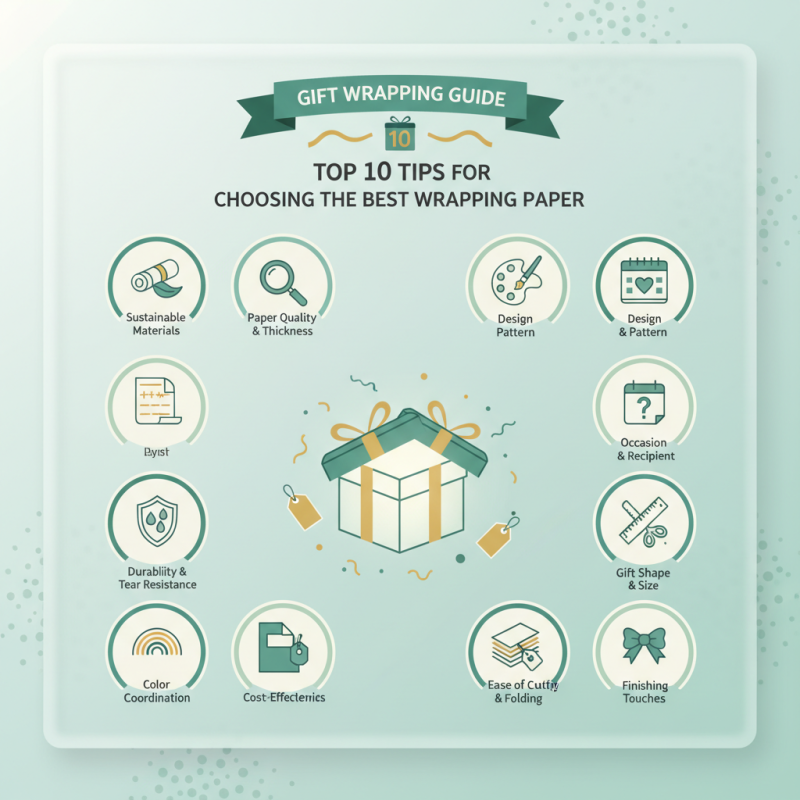
Top 10 Tips for Choosing the Best Wrapping Paper
Considering Eco-Friendly Options for Sustainable Wrapping Solutions
Choosing eco-friendly wrapping paper can significantly impact the environment. Traditional wrapping options often contain non-recyclable plastics. In fact, a recent report by the Environmental Protection Agency noted that wrapping paper contributes to millions of tons of waste each year. Shifting to sustainable materials can reduce this burden.
Many consumers overlook recycled paper options. These papers are made from post-consumer waste, which reduces landfill usage. According to industry research, recycled paper can save trees, water, and energy. Choosing wrapping that is biodegradable also helps. For example, kraft paper is biodegradable and can decompose in a short time when disposed of properly.
Consider versatile, reusable items, like fabric wraps. They can serve as a gift themselves, creating less waste. While these options may initially seem more expensive, they promote long-term sustainability. Reflecting on choices helps consumers make informed decisions. Embracing eco-friendly wrapping options not only helps the environment but sets a positive example for others.
Choosing Colors and Patterns that Match the Occasion and Recipient
Choosing the right colors and patterns for wrapping paper can enhance the gift-giving experience. According to a report by the National Retail Federation, 67% of consumers believe that the presentation of a gift matters. This statistic highlights the importance of making thoughtful choices that reflect both the occasion and the recipient's personality.
When selecting colors, consider the emotional impact. Warm colors like red and orange often evoke feelings of excitement and passion. In contrast, cool colors such as blue and green create a calming atmosphere. Patterns also play a significant role. A study from the Journal of Consumer Research shows that patterned designs can increase perceived gift value. Simple polka dots or floral prints might appeal to a younger audience, while sophisticated geometric shapes could be a better fit for adults.
It’s essential to avoid clichés. A Christmas-themed paper used for a birthday gift can feel out of place. Reflecting on the recipient's interests and preferences can guide color and pattern choices. For example, selecting wrapping paper adorned with a favorite hobby shows thoughtfulness. However, be careful not to overcomplicate it. Sometimes, straightforward designs can be more impactful. Ensure that your choices resonate with the recipient, as well as the occasion.
Top 10 Tips for Choosing the Best Wrapping Paper
| Tip Number | Tip Description | Occasions | Recommended Colors | Recommended Patterns |
| 1 | Choose a color scheme that reflects the recipient's personality. | Birthday | Blue, Green | Polka dots, Stripes |
| 2 | Consider the age of the recipient when selecting patterns. | Anniversary | Gold, Red | Hearts, Floral |
| 3 | Match the wrapping paper to the theme of the event. | Christmas | Red, Green | Christmas Trees, Snowflakes |
| 4 | Consider eco-friendly options for environmentally conscious recipients. | Any occasion | Natural Brown, Pastel | Simple Patterns |
| 5 | Use textured paper for a more luxurious look. | Weddings | Ivory, Silver | Lace, Embossed |
| 6 | Avoid overly busy patterns for small gifts. | Graduation | Black, Gold | Geometric, Minimalist |
| 7 | Think about the practicality of the paper, such as ease of wrapping. | Housewarming | Soft Colors | Waves, Abstract |
| 8 | Incorporate the interests of the recipient into your choice. | Baby Shower | Pastel Blue, Pink | Animals, Toys |
| 9 | Look for multi-purpose wrapping paper that can suit various events. | Various | Neutral Tones | Simple Patterns |
| 10 | Don’t forget to include a matching gift tag! | Any occasion | Match Colors | Customized Designs |
Determining the Right Size of Wrapping Paper for Your Gifts
When selecting wrapping paper, size matters. The right dimensions can make all the difference. A well-wrapped gift not only looks good but shows thoughtfulness. Start by measuring the gift's length, width, and height. This ensures you choose paper that covers all sides adequately.
For larger gifts, consider using sheets that are at least 5-10 inches wider than the item. This extra space allows for overlapping and folding without the risk of exposing the gift. Smaller items can be wrapped in smaller sheets, but be cautious. Too little paper could lead to unwrapped corners, which looks sloppy.
Try to envision how the paper will fold. A good wrapping adds a touch of elegance. However, it is easy to misjudge how much paper you really need. It can be frustrating to run out mid-wrap. Always have a little extra on hand. This habit prevents panic and creates a smoother wrapping experience, letting you focus on the joy of gifting.
 English
 Español de México