The label industry is evolving rapidly, with "New Label Materials" at the forefront of this transformation. Market research indicates that the global label materials market is projected to reach $50 billion by 2026, growing at a CAGR of 5.2% (Smithers, 2023). This rise is fueled by advancements in both technology and consumer demand for sustainable options. As industries shift towards eco-friendly practices, companies are exploring innovative materials that enhance product visibility while minimizing environmental impact.
Recent studies reveal that more than 70% of consumers prefer products with recyclable packaging. This trend pushes manufacturers to adopt biodegradable and compostable label materials. However, the challenge lies in balancing performance with sustainability. Not all new materials meet the required durability standards. This poses a risk to brands that prioritize eco-friendliness over practicality.
Key players in the market, such as UPM Raflatac and Avery Dennison, are at the forefront of research on new label innovations. They are grappling with the complexities of developing materials that are both effective and environmentally responsible. As we look toward 2026, the exploration of these new label materials will demand ongoing reflection and adaptation from industry stakeholders. The growth prospects are significant, but the path to sustainable solutions is fraught with challenges.
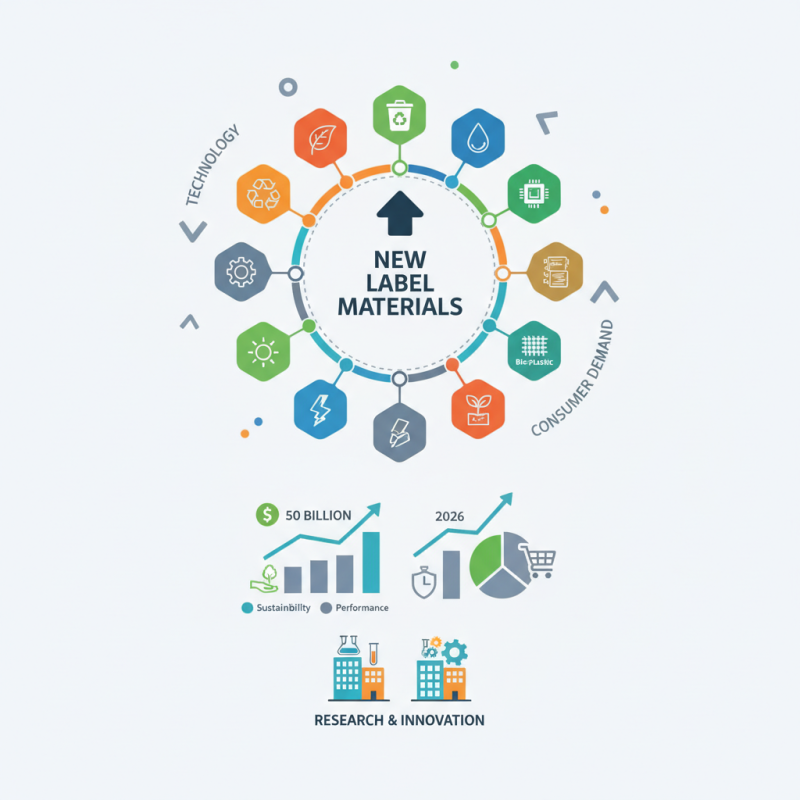
As we look toward 2026, the landscape of label materials is evolving significantly. Manufacturers are increasingly focused on sustainability. Recycled and biodegradable materials are gaining traction. These options not only meet environmental standards but also appeal to eco-conscious consumers. For instance, paper labels using post-consumer waste are becoming a viable choice in the market.
Another emerging trend is the use of innovative adhesives. These new adhesives offer improved performance under various conditions. They enhance stickiness while being easy to remove. This adaptability is crucial for businesses facing diverse application needs. However, some technical challenges remain. Maintaining quality during production is still an area needing attention.
Finally, smart labels are on the rise. Incorporating RFID or QR codes, these labels offer dynamic information to consumers. While effective, there are concerns about costs and technological compatibility. Buyers must weigh the benefits against potential setbacks. A careful assessment of trends and materials will be vital for success in the upcoming years.
As concerns about environmental sustainability grow, biodegradable labels emerge as a crucial innovation. These labels are typically made from materials that can decompose naturally. They offer a significant alternative to traditional plastic labels, which often end up in landfills or oceans. The shift towards these eco-friendly options reflects a more profound respect for nature and the impact of consumer choices.
Manufacturers are exploring various biodegradable materials. Some use plant-based fibers or recycled paper. Others incorporate new polymers designed to break down quickly once discarded. While progress is evident, challenges remain, such as cost and durability. These materials may not always withstand harsh conditions during shipping or storage. Yet, many businesses are eager to explore these options. The potential for reducing waste is a compelling reason to invest in biodegradable labels.
Consumer awareness is shifting. Buyers increasingly seek sustainable products in all areas, including packaging. Innovative labeling solutions can enhance brand reputation. However, transparency regarding the label's lifecycle is vital. Companies must ensure that they communicate how and when these labels decompose. Misleading claims could undermine consumer trust. Engaging in continuous research and improvement will be essential as the industry strives to meet growing demands for sustainable packaging solutions.
Smart labels are revolutionizing various industries by merging cutting-edge technology with innovative materials. These labels can track products throughout their journey. Imagining a label that communicates with smartphones offers a glimpse into future possibilities. Real-time data can enhance supply chain efficiency while improving customer engagement.
The integration of sensors and QR codes adds functionality to traditional labels. They can provide users with vital information instantly. However, the challenge lies in ensuring these advanced materials are sustainable. Balancing technology with eco-friendly practices is crucial for a greener future. Companies must reflect on their sourcing and waste management processes.
Adopting smart labels requires careful planning and investment. Not all organizations are ready for this shift. Some may struggle with technology adoption and user education. Others might face cost constraints that hinder implementation. It’s essential to consider these factors thoroughly before diving into smart label technology. The road ahead is full of potential but also challenges needing careful navigation.
When exploring durable materials for labels, it's vital to consider longevity and performance. Innovations in label materials are transforming how products are identified and marketed. New compositions focus on resistance to moisture, chemicals, and fading, ensuring labels maintain clarity and adhesion in challenging environments.
Choosing the right label material can elevate a product's appeal. For example, synthetic materials often outperform traditional paper in tough conditions. They resist tearing and are waterproof, making them ideal for outdoor products. These features enhance visibility and legibility, important for user experience.
**Tips:** Always test label materials in real-world conditions. Consider environmental factors that may affect label longevity. Additionally, prioritize a balance between durability and aesthetic appeal. Some materials might be sturdy but could lack visual impact. Achieving optimal durability does not always mean sacrificing style.
| Material Type | Durability Rating | Temperature Resistance (°C) | Water Resistance | Application |
|---|---|---|---|---|
| Polyester (PET) | High | -40 to 120 | Yes | Food & Beverage, Electronics |
| Vinyl | Medium | -20 to 80 | Yes | Indoor Labeling |
| Polypropylene (PP) | High | -30 to 90 | Yes | Packaging, Chemicals |
| BOPP (Biaxially Oriented Polypropylene) | Very High | -30 to 100 | Yes | High-end Packaging |
| Paper | Low | -10 to 60 | No | General Use |
| Cast Polypropylene | Medium | -20 to 80 | Yes | Consumer Goods |
| Static Cling | Medium | -10 to 80 | No | Window Displays |
| Shrink Film | Very High | -30 to 105 | Yes | Multi-pack Labeling |
| Reflective Materials | High | -10 to 50 | Yes | Safety Labels |
| Eco-friendly Materials | Medium | -20 to 80 | Yes | Sustainable Products |
The regulatory landscape significantly influences label material choices in 2026. Stricter environmental regulations are shaping buyer preferences. Reports indicate that over 70% of companies are shifting towards sustainable materials. This trend is driven by both consumer demand and compliance requirements.
Sustainability is not just a buzzword; it's a necessity. Many regions are introducing bans on plastic labels. For instance, the European Union aims to reduce plastic waste by 55% by 2030. This shift prompts buyers to seek biodegradable and recyclable alternatives in their label materials.
Tips: Evaluate your supply chain for compliance with new regulations. Consider adopting innovative materials that support sustainability. Collaborate with suppliers who prioritize environmental responsibility. Adjusting to these changes can ensure long-term viability in the market. Continuous reflection on material choices will be essential as regulations evolve. Staying informed about industry trends is imperative for making responsible decisions.