In the fast-paced world of production, Packing machines play a crucial role. They streamline processes and enhance efficiency. As we look toward 2026, innovation in packing technology is vital. This ensures that manufacturers meet growing demands and maintain quality.
Packing machines today are more advanced than ever. They offer precision and speed, reducing human error. However, operators must understand their machines. Training is essential to maximize the benefits of these technologies. Investing in high-quality packing machines can lead to significant returns.
Challenges remain in choosing the right packing machine. Not every machine fits every production line. Each industry has unique requirements. Companies should carefully assess their needs and options. Failing to do so can lead to costly mistakes and inefficiencies. The journey toward optimal packing solutions requires thoughtful consideration and ongoing improvement.
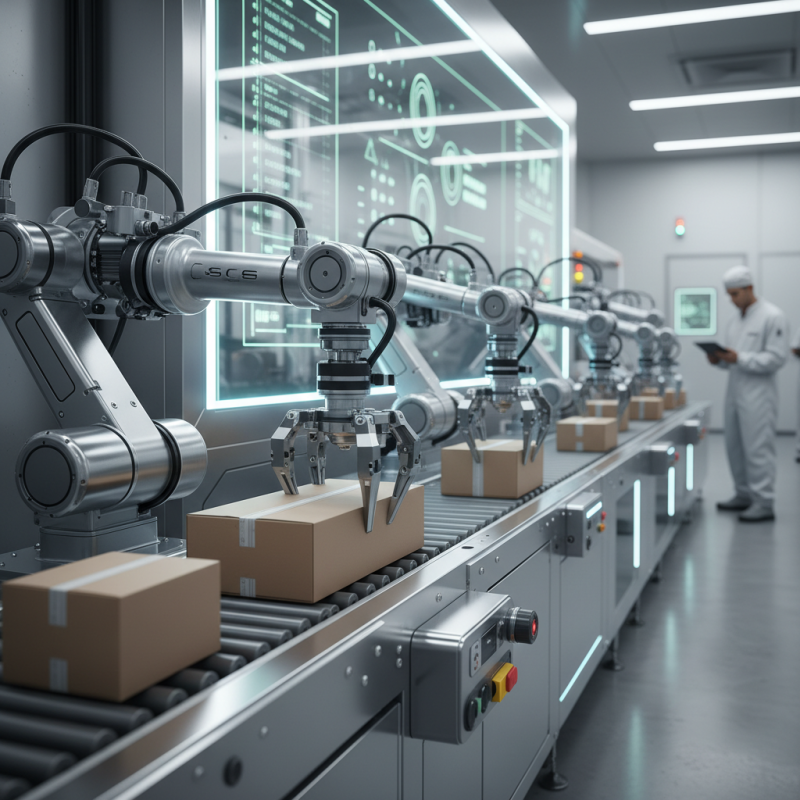
The manufacturing industry in 2026 is on the brink of a revolution with advanced packing machines leading the way. Recent industry reports indicate that efficient packaging is vital for keeping production costs low. According to a 2023 study from Packaging Industry Insights, companies adopting modern packing technology can reduce waste by up to 30%. This increase in efficiency directly impacts profits.
Packing machines are becoming more sophisticated, integrating automation and artificial intelligence. These new technologies enhance speed and precision, vital in today’s competitive market. A report from Automation Weekly highlights that 80% of manufacturers are expected to upgrade their packing lines within the next three years. This trend reflects the industry's shift towards smarter solutions.
However, the journey to modernization is not without challenges. Many manufacturers face issues in staff training and equipment adaptation. Additionally, the initial investment can be daunting. Yet, the long-term benefits of modern packing machines often outweigh the hurdles. As the industry evolves, a careful balance of investment and training will determine success in production efficiency.
As industries evolve, packing machines become crucial for efficient production. Key features to consider in 2026 include adaptability to various product sizes and shapes. According to a recent industry report, 45% of manufacturers seek machines that can quickly adjust to small batch runs. This flexibility significantly enhances productivity.
Another vital attribute is automation. Automated systems reduce labor costs and minimize errors. A survey by the Global Packaging Alliance indicated that 70% of companies prioritize automation in their packing processes. Real-time data tracking is also becoming essential. Machines equipped with IoT capabilities can optimize packing lines and provide actionable insights.
Energy efficiency remains a concern. Industry statistics show that over 30% of packing machines waste energy due to outdated technology. Investing in energy-efficient models can decrease operational costs. Despite these advancements, not all buyers fully understand the latest technologies. Continuous education on machine features is necessary for making informed decisions.
In 2026, packing machines will undergo significant transformations, driven by innovative technologies. Automation is a key factor. Machines capable of adjusting to different product sizes will become standard. This adaptability can save time and reduce waste. AI integration will enhance efficiency by predicting maintenance needs. However, reliance on technology also raises concerns about potential failures.
Sustainability will shape future packing solutions. Companies are moving toward eco-friendly materials. Biodegradable films and recyclable containers are gaining traction. Yet, this shift isn’t without challenges. The cost of sustainable materials may impact overall pricing. Consumers may need to adapt to changes in packaging styles.
Data analytics will play a vital role in optimizing packing processes. By analyzing logistics, companies can minimize delays and streamline operations. Still, data privacy remains a concern. Businesses must find a balance between efficiency and security. Navigating this landscape requires careful thought and a willingness to innovate.
| Machine Type | Speed (packages/min) | Efficiency Rating | Power Consumption (kW) | Technological Features |
|---|---|---|---|---|
| Vertical Form Fill Seal | 120 | 95% | 2.5 | Touchscreen Control, Auto-Calibration |
| Horizontal Flow Wrapper | 150 | 93% | 3.0 | Smart Sensors, Real-time Monitoring |
| Tray Sealing Machine | 80 | 90% | 2.0 | Automated Temperature Control, Easy Load |
| Shrink Wrapper | 100 | 92% | 2.8 | Adjustable Tunnel, Energy Efficient |
| Cartoning Machine | 70 | 88% | 3.5 | Fully Automatic, Compact Design |
The packing machinery industry is evolving rapidly. According to a recent report by Smithers Pira, the market is expected to reach $55 billion by 2026. This growth underscores the importance of investing in high-performance packing machines. Brands that lead in innovation often enhance efficiency and reduce waste. However, not all machines are created equal.
A comparative analysis reveals that some machines offer better adaptability to various products. For instance, modular designs can significantly improve workflow. Efficiency ratings show that machines capable of 90% uptime tend to reduce production costs. Conversely, equipment with lower efficiency often leads to delays. Additionally, energy consumption is a critical factor. The best machines operate using 20% less energy than their competitors.
Challenges remain. Many brands still struggle with user-friendly interfaces that can lead to operator errors. The complexity of setup and operation can hinder performance. Investing in training programs is essential. Also, manufacturers must consider maintenance costs. A machine may appear cost-effective upfront, but hidden expenses can accrue over time. Performance is key, yet reliability and support should not be overlooked in this competitive landscape.
The automation of packing machines is revolutionizing the production landscape. A recent report from the International Society of Automation indicates that 70% of companies are investing heavily in automated packing solutions. This shift enhances speed and reduces errors. However, it also raises questions about workforce displacement and the adaptability of existing employees.
As machines become smarter, their performance improves. A study by the Packaging Machinery Manufacturers Institute found that automated systems can increase production rates by up to 50%. Yet, not all firms can transition seamlessly. Smaller companies often struggle with the cost of implementation. Additionally, reliance on automation can lead to equipment outages and longer troubleshooting times.
Data shows that while efficiency rises, the human touch is still valuable. Human oversight often catches errors that machines may miss. A balanced approach is essential. Companies must invest in training workers alongside automation. This will equip employees to leverage new technologies effectively and maintain quality standards.