Top 10 QR Code Packaging Bag Manufacturers for Buyers

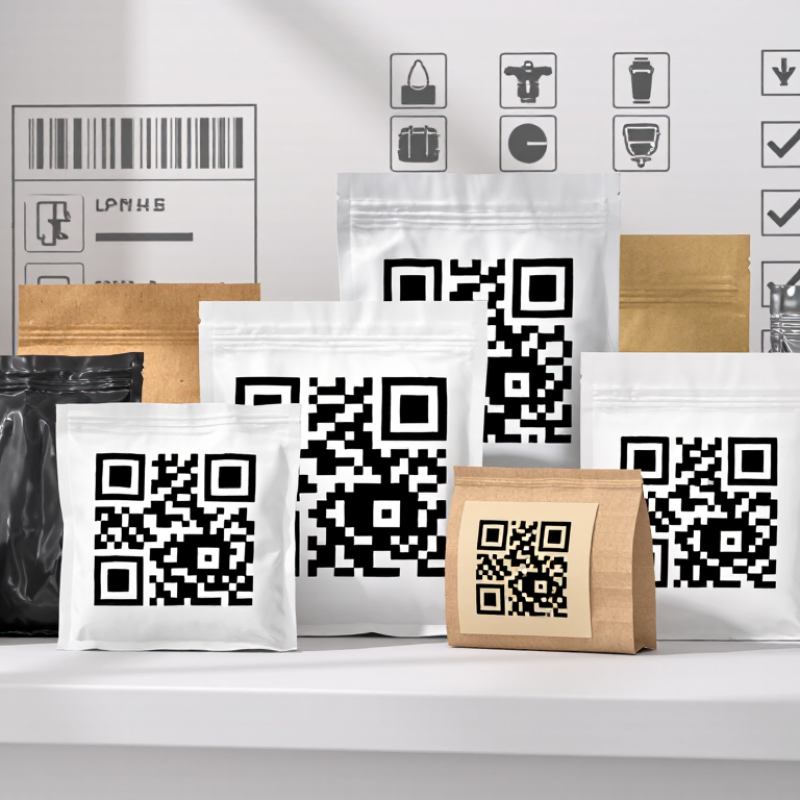
A Qr Code Packaging Bag can do more than hold a product. It can connect a printed pack with product details, batch information, or a brand’s digital content. Yet a code that looks sharp on screen may fail on a creased, glossy pouch. Print contrast, ink spread, film texture, and placement all matter.

GS1’s Sunrise 2027 initiative calls for retail systems to support next-generation 2D barcodes, including QR codes powered by GS1 standards, by the end of 2027. This industry transition makes packaging supplier capabilities worth examining now. Smithers’ The Future of Global Packaging to 2028 offers broader market context on packaging demand and material change. These sources point to a practical shift: packaging must carry information reliably, not simply look attractive.

This guide compares ten manufacturers for buyers considering QR-ready bags. It looks at material options, printing methods, customization, order flexibility, and quality controls. A useful supplier should explain how it checks code readability on the finished bag—not just on a design proof. Ask for a production sample. Scan it under ordinary store lighting, then check it after folding. Small tests reveal real weaknesses.

No supplier fits every project. Some buyers need short runs; others need stable high-volume production. Public claims can also be hard to compare. Treat this list as a starting point, and verify specifications directly before choosing a manufacturer.
Top 10 QR Code Packaging Bag Manufacturers for Buyers

QR Code Packaging Bags: ISO/IEC 18004 and GS1’s 2027 Retail Barcode Goal

QR Code Packaging Bags: ISO/IEC 18004 and GS1’s 2027 Retail Barcode Goal

QR codes on packaging bags can link a small printed mark to product details, instructions, or traceability pages. ISO/IEC 18004 specifies the QR Code symbology, including its data structure and error correction. At the largest Version 40 size, a QR code can hold up to 4,296 alphanumeric characters with low error correction. That is a technical maximum, not a sensible target for every bag.

Print conditions matter. A flexible pouch bends, wrinkles, and catches glare under store lighting. Buyers should ask manufacturers for verification results on the finished bag, not just a digital proof. GS1’s Sunrise 2027 guidance aims to enable retail point-of-sale systems to read 2D barcodes, including QR codes using GS1 standards, by the end of 2027. GS1 also cites more than 10 billion barcode scans worldwide each day. The scale is striking. Still, a scan only helps when the printed code works.

For a packaging supplier, practical checks include quiet-zone clearance, contrast, ink rub resistance, and scan tests across different orientations. GS1’s 2D barcode guidance supports encoding a product identifier alongside web-linked information, so buyers should confirm how the code is generated and maintained. Ask for test samples from the actual material and print process. One caveat: small bags may not have enough flat space for a large, reliably scannable symbol. A tighter design can look neat and still scan poorly.

QR Code Packaging Bags: QR Code Size by Version

QR codes defined by ISO/IEC 18004 grow by four modules per side with each version. The chart shows the dimensions of Versions 1–10.

More modules can accommodate more encoded data, but capacity also depends on the content and error-correction level. GS1’s 2027 retail goal is for retailers to be able to scan 2D barcodes at checkout; it is an industry goal, not a requirement that every package use a particular QR Code version.

How Bag Materials, Printing Methods, and QR Readability Shape Performance

Top 10 QR Code Packaging Bag Manufacturers for Buyers

Bag material can decide whether a QR code scans cleanly or fails at the checkout. Glossy films may reflect overhead lights, while textured kraft paper can distort small modules. Flexible pouches also wrinkle as they are filled, so codes placed across seams or folds become unreliable. A practical test is simple: print the code on the final bag, fill it, bend it, and scan it under ordinary store lighting. Small detail. Big consequence.

Printing method matters, too. Flexographic and gravure printing suit long production runs, but pressure, ink spread, and registration shifts can soften QR edges. Digital printing can simplify short runs and variable codes, though each version still needs verification. AIM’s ISO/IEC 15415 method grades 2D symbol quality on a 0-to-4 scale; buyers can request measured results rather than relying on a visual check. GS1’s Sunrise 2027 guidance also signals growing use of 2D codes at retail checkout. Keep strong contrast, preserve the clear margin around the code, and avoid placing it near seals. Even then, performance can vary between batches. That deserves a real production trial, not an assumption.

Top 10 QR Code Packaging Bag Manufacturers for Buyers - How Bag Materials, Printing Methods, and QR Readability Shape Performance

Illustrative comparison of ten common packaging-converter capability profiles—not a ranked or verified supplier directory. Actual materials, print processes, and performance depend on the selected structure, artwork, equipment, and production conditions.

Capability Profile Common Bag Materials Typical Printing Methods QR-Code Readability Considerations Useful Buyer Checks
1. Flexible-film pouch converter Single-layer or laminated PE and PP films; structures vary with sealing and barrier requirements. Flexographic or rotogravure printing; digital printing may be available for some order types. Film glare, print registration, and placement near seals can affect scanning. A flat, high-contrast area is generally easier to scan. Ask for a press-printed sample on the proposed film and test scans on filled, sealed bags.
2. High-barrier laminate bag converter Multilayer structures may combine polymer films with barrier layers such as metallized film or aluminum foil. Flexographic or rotogravure printing, followed by lamination where required. Opaque barrier layers do not prevent a code from being printed on the exterior, but reflective surfaces and laminating effects should be checked on the finished pack. Confirm the outer print surface, laminate finish, ink compatibility, and barcode verification process.
3. Stand-up pouch specialist Commonly laminated films selected for stiffness, sealing, and product protection; zipper or spout options may be added. Flexographic or rotogravure printing; digital options depend on the converter. Bottom gussets, curved areas, zippers, and spouts can distort or interrupt a code. Place it on a broad, relatively flat panel. Review a filled pouch mock-up and keep the code clear of gussets, closures, and seal zones.
4. Flat pouch and sachet converter Flexible polymer films and laminated structures, with material choice based on the product and required barrier. Flexographic or rotogravure printing; digital printing can suit some short-run projects. Small pack dimensions limit available code area. Fine artwork, wrinkles, and narrow seals can reduce the scannable area. Test the intended code size on the final pouch dimensions and confirm the placement tolerance.
5. Paper-based bag converter Kraft and other paper grades, sometimes combined with coatings or film laminates. Flexographic, offset, or digital printing, depending on the paper, bag construction, and production run. Paper texture, absorbency, coatings, and folds can affect edge definition or contrast. Scan tests should use the finished surface. Check print sharpness on the selected paper grade and test after folding and bag formation.
6. Recyclable mono-material bag converter Designed primarily around one polymer family, often PE or PP; exact structures and recyclability depend on the specification and local systems. Flexographic, rotogravure, or digital printing, subject to the film and converter’s equipment. Matte or glossy finishes and any changes to the outer layer may alter glare and contrast. Recheck the code on the finished construction. Request the full material specification and confirm that print and QR performance are assessed on the intended structure.
7. Recycled-content film bag converter Structures containing recycled polymer may be offered; permitted content and performance vary by material and application. Common flexible-pack methods such as flexography or rotogravure; available options depend on the substrate. Substrate shade or surface variation can affect the appearance of a code. Use a clear, consistent background area where possible. Approve a production-representative sample and verify code contrast across the expected print variation.
8. Short-run and variable-data bag printer Compatible paper or flexible-film stocks selected for the printer and intended bag format. Digital printing is commonly suited to shorter runs or variable artwork; capability is equipment- and material-dependent. Unique codes require accurate data handling as well as readable printing. Confirm that each printed code matches its intended destination or record. Ask about data-file controls, code-to-artwork checks, sample scans, and handling of rejected or duplicated codes.
9. Heavy-duty and woven bag converter Woven PP or PE fabrics, often with a coating or liner depending on the application. Printing methods vary; flexographic printing is used for some bag and fabric applications. Woven texture, seams, surface coatings, and bag deformation can interrupt the code pattern. A smooth printed panel or label may improve consistency. Test scans on filled bags under realistic handling conditions and check that the code stays flat and unobstructed.
10. Multi-format packaging converter May offer several flexible films, paper structures, and pouch formats; specifications depend on the product and production line. One or more processes, often including flexographic or rotogravure printing; digital capability varies. Moving the same artwork between materials or bag formats can change contrast, glare, distortion, and usable code area. Request a separate scan test for each final material and format rather than relying only on a digital proof.

QR-code production checks: preserve the code’s required quiet zone (typically at least four modules for QR Code symbols), avoid folds, seams, closures, and heavy glare, and test the printed code on the finished bag. There is no single code size that suits every package; validate the selected size and contrast with the intended scanning devices and use conditions.

Buyer Criteria: Compare Compliance, Customization, Capacity, and Lead Times

When comparing QR code packaging bag manufacturers, ask for documents that match your product and target market. Request material specifications, relevant test reports, and clear explanations of what each certificate covers. Requirements can vary by packaging use, so avoid relying on a generic “compliant” claim. Ask how the supplier checks QR readability after printing, lamination, and pouch forming. A glossy sample may scan well under office lights, yet fail under warehouse glare.

Customization is more than choosing bag size and artwork. Confirm options for film structure, thickness, zipper style, finish, and print colors. Share the QR code at its intended size, then test a physical sample with several phones. Leave a clear quiet zone around the code. Small shifts in registration matter. I would also check whether the supplier can keep the code consistent across repeat runs; this detail is easy to overlook when reviewing a polished first sample.

Capacity and lead times deserve evidence, not optimistic estimates. Ask for typical order quantities, monthly output, sample timing, and production schedules during busy periods. Clarify which steps happen in-house and which depend on outside vendors. Request a timeline with approval, printing, production, and shipping stages. Then compare it with your launch date. I would not treat one fast quotation as proof of reliable delivery; schedules can change, and that uncertainty should be discussed before placing an order.

Top 10 QR Code Packaging Bag Manufacturers: A Buyer-Focused Comparison

Top 10 QR Code Packaging Bag Manufacturers for Buyers
Top 10 QR Code Packaging Bag Manufacturers: A Buyer-Focused Comparison

A useful shortlist compares production controls, not glossy samples. Ask each manufacturer for QR verification results, print-registration tolerances, and scan tests on finished bags. The Flexible Packaging Association’s 2024 State of the Industry report estimates U.S. flexible-packaging sales at $42.9 billion in 2023, underscoring the value of consistent production across repeat orders. GS1’s Sunrise 2027 initiative also points to growing retail readiness for 2D codes at checkout.

Tips: Compare quotes using the same artwork and bag specifications. Request samples printed on the actual film, then scan them after sealing and under warehouse lighting. Test the real bag. Record scan performance, lead time, minimum order quantity, and remake terms. A flat proof may scan perfectly, while a pouch seam or glossy glare can disrupt reading.

Compare ink adhesion, barrier properties, variable-data handling, and traceability alongside price. Ask how the supplier checks code contrast and placement during production. A larger code is not always better; available space and artwork matter. Some comparisons miss this. Don’t assume a sample guarantees every production run will perform equally.

Verify Traceability, Print Quality, and GS1 2D-Barcode Readiness Before Ordering

A QR code on a packaging bag must stay readable after filling, sealing, transport, and handling. Ask suppliers how they track film rolls, print batches, and finished lots. Traceability should link a specific bag to its production records, not just a general order number. Request a sample trace using a printed lot code. Small details matter. Check whether codes remain clear where the bag folds, near seals, or across glossy laminate. A clean digital proof can still disappoint on a crinkled pouch.

Print quality needs more than a phone scan. Ask for verification results from suitable barcode inspection equipment, and confirm the test method fits the code type. Review contrast, quiet zones, symbol dimensions, and grading on the actual bag material. For GS1 2D-barcode use, confirm the data structure and intended scanning systems with your supply-chain partners. A QR symbol alone does not guarantee GS1 readiness. Test production samples with the scanners and conditions expected at checkout or in warehouses. Keep the approved artwork, data specification, and verification records together. It takes extra time, and suppliers may not have every answer at first; resolve gaps before approving a full run.