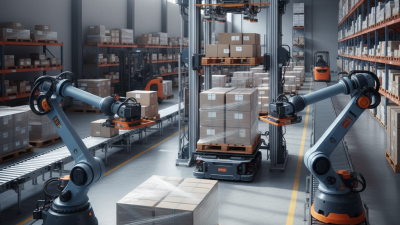
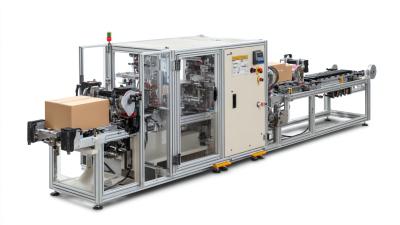
In the fast-paced world of warehousing, efficiency is key. Introducing a Robotic Palletizer can revolutionize your operations. These advanced machines reduce labor costs and increase productivity. They handle heavy loads and repetitive tasks with precision. This allows human workers to focus on more strategic roles.
Choosing the right Robotic Palletizer is essential. There are numerous options available, each with unique features and capabilities. Investing in reliable technology can lessen errors and speed up processes. However, it is crucial to evaluate each model thoroughly. Some systems may not meet your specific needs or may require extensive maintenance.
Implementation can pose challenges. Workforce training and integration with existing systems often require time and effort. Reflecting on past experiences can guide you. It is vital to ensure that the selected Robotic Palletizer aligns with your operation's goals. The right choice can lead to significant gains in efficiency and productivity, making a strong case for automation in the warehouse.
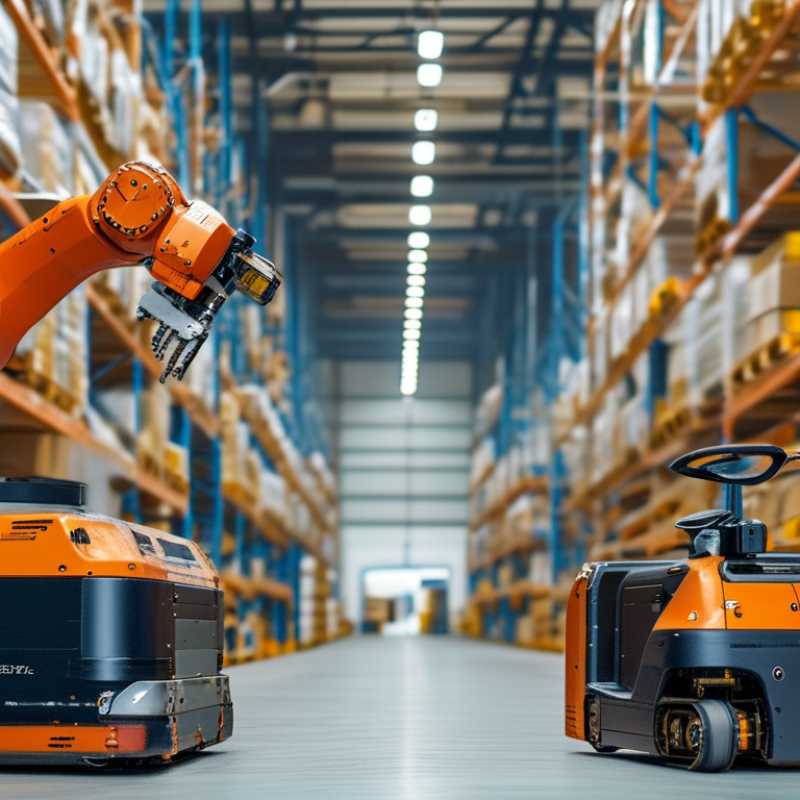
Robotic palletizers have transformed warehouse operations. Their integration enhances productivity while minimizing labor costs. These systems automate the stacking and handling of products, significantly reducing the risk of injury for workers. Companies report improved consistency since robots can work tirelessly, adhering to precise measurements and patterns.
The key benefits are evident in efficiency and speed. Robotic palletizers can process high volumes of goods quickly. They easily adapt to different product types and sizes. This flexibility can be crucial when demand fluctuates. However, not all operations require extensive automation. It’s essential to assess if the investment aligns with specific operational needs.
Recognizing potential drawbacks is also vital. Initial costs can be high, and maintenance requires investment too. Staff may need retraining to work alongside robotic systems. Monitoring performance is necessary to ensure the system meets expectations over time. Balancing automation with human oversight might yield the best outcomes.
Choosing the right robotic palletizer can significantly enhance warehouse efficiency. When evaluating options, focus on key features that align with your operational needs. Pay attention to payload capacity. Selecting a model that meets your weight requirements ensures optimal performance. Consider the types of materials handled as well. Are you dealing with fragile items or heavy boxes? Each scenario demands different handling capabilities.
Speed is another critical factor. A faster palletizer can reduce bottlenecks in your production line. However, it is essential to balance speed with precision. Excessive speed can lead to errors, resulting in product damage or downtime. Flexibility in programming is vital too. A robotic palletizer that can be easily reconfigured for different products will adapt better to changing demands.
Finally, look into the technology supporting the palletizer. Advanced sensors and AI can improve accuracy and efficiency. However, not every system operates seamlessly out of the box. Some setups may require fine-tuning to reach optimal performance. Emphasizing the learning curve involved is crucial. Understanding what works best for your unique environment will ultimately guide you toward the right decision. Investing time in these considerations will pay off in the long run.
The demand for efficiency in warehousing is driving the adoption of robotic palletizers. These machines automate the stacking of products onto pallets, saving time and reducing labor costs. Currently, various models on the market cater to different needs. Some are compact and designed for smaller spaces, while others can handle a higher volume of goods.
Consider your warehouse layout and product types before choosing a robotic palletizer. If your space is limited, a smaller, flexible model may work best. However, larger operations may benefit from high-speed options. Monitoring the system’s performance regularly is crucial. This ensures you maximize efficiency and minimize downtime.
Training staff on proper maintenance is also vital. Even the best robotic systems can malfunction without appropriate care. Regular check-ups will keep them running smoothly. Adopting these machines can lead to significant improvements in productivity. Always weigh the initial investment against potential long-term gains. Balancing efficiency with cost is key.
The efficiency of robotic palletizers significantly impacts warehouse operations. In competitive environments, choosing the right model can determine productivity and cost-effectiveness. Various factors influence performance, including speed, load capacity, and flexibility. A model's ability to adapt to different product types shapes its usability in diverse warehouse settings.
When assessing these robotic palletizers, performance metrics are crucial. Some models excel in speed, executing tasks with minimal downtime. However, there are trade-offs. A faster model may have a more complex setup, requiring specialized training. It's essential to weigh efficiency against ease of use.
Automation is not a perfect solution. While robotic systems can enhance productivity, their maintenance demands attention. Regular upkeep is vital to prevent unexpected breakdowns. Reliability remains a concern, especially in high-volume operations. Observing how well these machines handle irregularities can offer insights into their long-term viability. Ultimately, understanding the strengths and weaknesses of various designs leads to more informed decision-making in warehouse efficiency strategies.
| Model | Max Load Capacity (kg) | Speed (cycles/hour) | Footprint (m²) | Integration Ease | Energy Consumption (kWh) |
|---|---|---|---|---|---|
| Model A | 1200 | 15 | 8 | High | 2 |
| Model B | 1500 | 20 | 9 | Medium | 3 |
| Model C | 900 | 25 | 7 | Low | 1.5 |
| Model D | 2000 | 10 | 10 | High | 4 |
| Model E | 1100 | 18 | 8.5 | Medium | 2.2 |
| Model F | 1000 | 22 | 7 | High | 1.8 |
| Model G | 1300 | 14 | 9.2 | Low | 2.5 |
| Model H | 1600 | 12 | 10.5 | Medium | 3.5 |
| Model I | 1400 | 16 | 8 | Low | 2.8 |
| Model J | 1900 | 11 | 12 | High | 4.2 |
The future of robotic palletizing technology is both exciting and complex. As warehouses evolve, automation continues to play a critical role in improving efficiency. One trend is the integration of artificial intelligence in robotic systems. AI allows robots to adapt to varying product sizes and shapes, optimizing pallet configurations. This is crucial in today's fast-paced environment where product variety is essential.
Another promising development is collaborative robotics. These robots work alongside human operators, enhancing productivity and safety. They take on repetitive tasks, allowing workers to focus on more complex activities. This not only boosts efficiency but also improves job satisfaction among employees. However, it raises questions about training and the potential need for new skills in the workforce.
Sustainability also drives innovation in this sector. Companies are prioritizing energy-efficient robots, using materials that have a lower environmental impact. However, these advancements require a careful assessment of long-term costs versus benefits. Companies must balance the initial investment in advanced technology with the promise of increased efficiency and reduced operational costs. This complex equation will shape the trajectory of warehouse automation in the years to come.