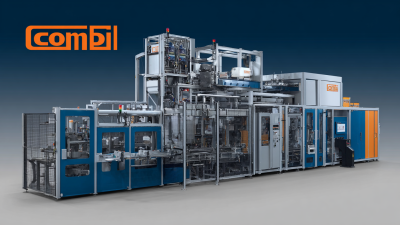
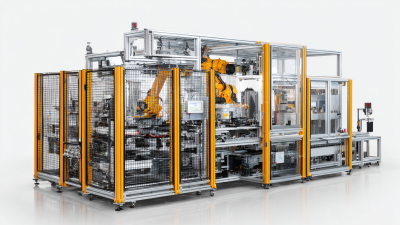
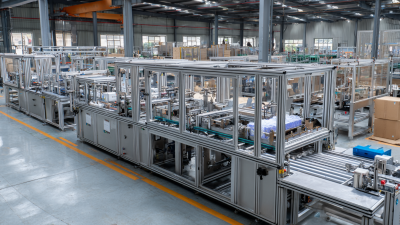
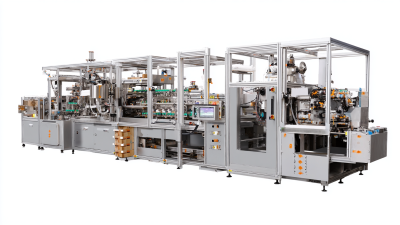
Choosing the right Case Erector is crucial for optimizing packaging efficiency. A report from Packaging Strategies indicates that businesses can improve productivity by up to 30% with the right equipment. This is significant in a landscape where automation plays a pivotal role. In 2022, the global market for packaging machinery was valued at over $45 billion, with Case Erectors being a key segment.
When evaluating Case Erectors, businesses must consider both their current and future needs. Flexibility and scalability are essential for adapting to changing production demands. Yet, many companies overlook this aspect, leading to underperformance in their packing line. A mismatch can cost time and materials, not to mention the safety risks associated with inefficient setups.
Industry leaders emphasize the need for careful selection and testing of Case Erectors. The right decision elevates product consistency and reduces labor costs. Delving into specifications, customer reviews, and maintenance support is essential. Each choice carries weight, impacting overall operational success. Let’s explore the top five tips to guide your decision-making process.
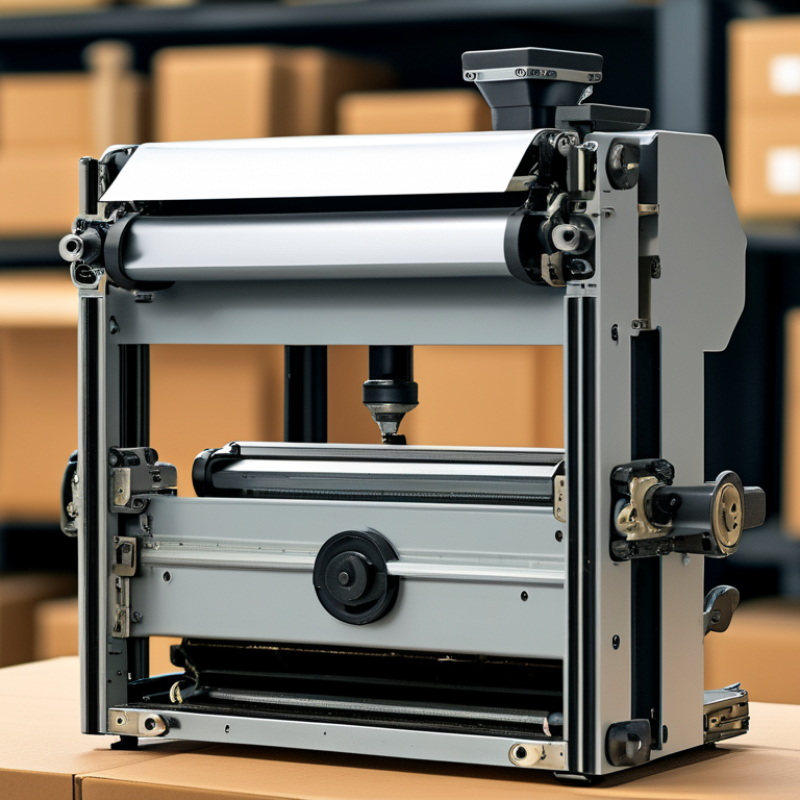
In the world of packaging operations, case erecting is a critical step. A case erector automates the forming of boxes, leading to efficiency gains. According to a report by Smithers Pira, companies can reduce labor costs by up to 30% when implementing this technology. Case erectors not only save time but also improve safety on the production line.
Efficiency is key in fast-paced environments. Inefficient case erecting can lead to delays and increased handling costs. Research shows that over 65% of packaging issues arise from manual processes. Reliable machinery can minimize these issues. It’s crucial for businesses to invest in a machine that aligns with their specific operations. A poorly chosen erector can lead to increased waste and maintenance issues.
Choosing the right case erector requires careful consideration. Understand the volume of your operations and the types of cases you use. Sometimes, the cheapest option is not the best. Inadequate support or unreliable machinery can harm production. Investing in quality can lead to long-term savings. A successful operation hinges on choosing wisely.
When selecting a case erector for your business, focus on essential features. Efficiency is key. Look for models that can handle various box sizes. Some machines only fit standard boxes, limiting your options. A flexible case erector saves you time and effort.
Another crucial aspect is ease of use. Operators should find it simple to load cases and adjust settings. A complex interface can lead to mistakes and downtime. Consider models with intuitive controls. Training your staff should be straightforward. Look for user-friendly designs.
Maintenance is also vital. Some machines require frequent servicing, while others are more durable. Evaluate the long-term reliability of the equipment.
Lastly, think about safety features. Lack of proper safety measures can lead to accidents. Choose a case erector with guards and emergency stop buttons. This protects your operators and minimizes liability risks. Reliable machines enhance productivity and ensure a safer workplace. Balancing these features can be challenging but is necessary for efficient operations.
When evaluating the production capacity of case erectors, it’s crucial to know your specific needs. Understand how many cases you require per hour. According to a 2022 industry report, businesses often underestimate demand by up to 30%. This miscalculation can lead to bottlenecks in production and delays in fulfillment.
Next, consider the size and type of cases you handle. Different case erectors accommodate various dimensions and styles. Some models are versatile, while others specialize in one style. Choosing the right model can influence efficiency. A well-suited machine can improve output by as much as 25%, based on data from the Packaging Machinery Manufacturers Institute.
Lastly, assess the ease of maintenance and support. Some systems require more frequent interventions, which can drain resources. Reports suggest that maintenance issues increase downtime by nearly 15%. Investing in user-friendly equipment can mitigate these risks. Balancing performance and maintenance needs is vital for sustained productivity.
When selecting a case erector, maintenance and support are vital factors. Regular upkeep ensures efficiency and longevity. Evaluate the availability of customer service before making your choice. If support is lacking, your operations can suffer.
Consider training programs offered by manufacturers. Proper training maximizes the effectiveness of your system. Also, think about the ease of obtaining spare parts. Limited access can lead to increased downtime. A reliable supplier should facilitate quick repairs and replacements.
Look for equipment that comes with a solid warranty. It reflects confidence in the product's durability. Be cautious of companies that don’t provide transparent maintenance guidelines. A clear plan can prevent unexpected problems.
Your needs may evolve over time. Choose a case erector that can adapt. Flexibility in features or performance is crucial for growth. Making the right choice takes careful consideration. Don’t overlook the importance of support. It can make or break your business efficiency.
Budgeting for a case erector investment requires careful consideration. Automation can reduce labor costs significantly. According to a report by PMMI, integrating case erectors can lead to a reduction in labor expenses by up to 15%. This is vital for businesses looking to improve efficiency and lower operational costs.
Examining the upfront costs is essential. Quality case erectors vary widely in price. Investing in a low-cost model may lead to higher maintenance costs down the line. Industry experts frequently recommend allocating 10-20% of your overall packaging budget specifically for case erectors. This ensures you have a reliable machine capable of meeting production demands.
Additionally, consider the cost of training staff on new equipment. According to the Association for Packaging and Processing Technologies, training can increase productivity by nearly 30%. This factor is often overlooked but is crucial for maximizing the return on investment. A comprehensive training program might seem costly upfront, yet it pays off quickly through enhanced efficiency and reduced error rates in production.
| Tip | Description | Estimated Cost |
|---|---|---|
| Assess Your Needs | Evaluate the volume and type of cases you need to erect. | $0 - $500 |
| Consider Automation Level | Determine how automated you want the case erecting process to be. | $500 - $5,000 |
| Evaluate Space Requirements | Ensure you have sufficient space for the equipment. | $0 |
| Check Maintenance Needs | Understand ongoing maintenance requirements and associated costs. | $100 - $1,000/year |
| Compare Options | Research and compare different models and features available in the market. | $0 |