Top Tips for Sourcing Opp Plastic Packaging at the 139th Canton Fair?
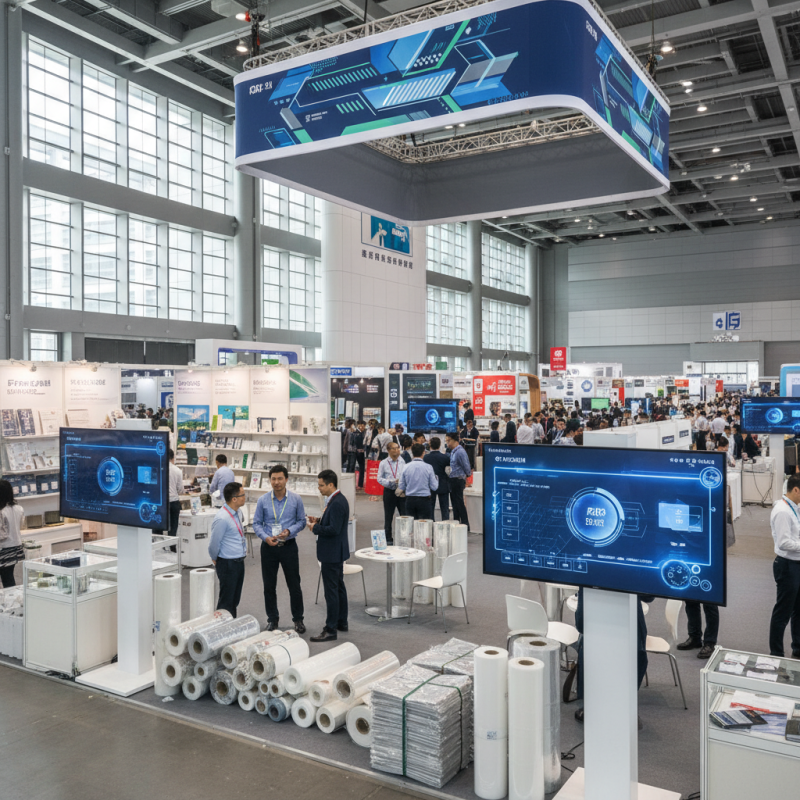
The 139th Canton Fair offers a unique opportunity for businesses to source Opp Plastic Packaging. Held in 2026, the fair spans three phases. Each phase focuses on different industry sectors, ranging from advanced manufacturing to textiles. This diversity provides a comprehensive platform for buyers seeking quality packaging solutions.
Navigating a large exhibition area, which covers 1.55 million square meters, can be daunting. Fortunately, the introduction of AI features enhances the sourcing experience. Buyers can efficiently filter suppliers based on certifications like ISO and CE. This technology significantly improves the chances of finding reliable manufacturers.
However, challenges still exist. Not all suppliers meet quality standards, and thorough research is crucial. Attending the fair requires preparation and a clear strategy. Understanding the market trends and specific needs for Opp Plastic Packaging can aid in making informed decisions. Embracing both the opportunities and potential pitfalls is essential for successful sourcing.
Essential Factors to Consider When Sourcing Opp Plastic Packaging
When sourcing OPP plastic packaging at the 139th Canton Fair, key factors demand attention. The material's quality is vital. An increasing number of suppliers now offer eco-friendly options. However, some may compromise on durability. It is crucial to request samples to evaluate thickness and flexibility. Industry reports suggest that high-quality OPP can enhance product shelf life by 30% compared to lower-grade materials.
Pricing structure also merits scrutiny. The global OPP packaging market is projected to grow at a rate of 4.5% per year. Buyers should compare quotes from multiple suppliers. Look for hidden costs in shipping or minimum order quantities. A seemingly low price may lead to unexpected expenses later. Packaging aesthetics, such as print quality and color options, play a significant role in branding. Poor coloring can distort a product's image. It's advisable to verify that the supplier can meet branding standards.
Lastly, consider the supplier's reliability. A 2022 report highlighted that 25% of buyers faced issues with delivery timelines. Ensure the supplier can commit to your schedule. Communication is key. Clear expectations can prevent misunderstandings. Suppliers may promise quick turnarounds, but timelines can slip. Asking for references or case studies may provide insights into their reliability.
Identifying Reliable Suppliers at the Canton Fair
When attending the 139th Canton Fair, identifying reliable suppliers is crucial. Focus on their communication skills. Observe how they interact with you. Quick, clear responses often indicate professionalism. Don't hesitate to ask detailed questions. The way they answer can reveal their expertise and transparency.
Look beyond just price. Evaluate the quality of their products. Examine samples, if available. Check for any inconsistencies. Authentic suppliers will provide a consistent quality. Take notes during your conversations. Jot down key points and observations. This can help you remember potential suppliers later.
Trust your instincts while assessing suppliers. If something feels off, consider moving on. It’s essential to build trust. A solid partnership needs more than just a good deal. Sometimes, you might encounter suppliers who seem promising but later prove unreliable. Be cautious, and don't rush. Evaluate your options carefully.
Navigating the Canton Fair Floor Plan for Plastic Packaging
Navigating the Canton Fair floor plan can be overwhelming, especially if you're focused on sourcing plastic packaging. With over 25,000 exhibitors, pinpointing the right suppliers is crucial. Data from industry reports indicate that the plastic packaging market is expected to grow at a CAGR of 3.5% until 2025. This suggests that now is an opportune time to explore new partnerships.
Look for sections dedicated to packaging innovations. These areas often showcase sustainable alternatives to traditional plastic. Reports indicate that 55% of consumers prefer environmentally friendly packaging. This trend is pushing manufacturers to adopt eco-friendly practices. However, not every supplier may fully align with this shift. It's important to ask questions and gauge their commitment to sustainability.
Lastly, utilize the Canton Fair app for efficient navigation. This tool helps locate specific booths and exhibitors. However, it can be glitchy at times. Always have a backup plan in case technology fails. Bring printed maps and notes to keep your sourcing organized. While the fair provides numerous opportunities, finding the right fit often requires persistence and adaptability.
Evaluating Product Quality and Compliance Standards
Evaluating product quality is crucial when sourcing OP plastic packaging at trade shows like the 139th Canton Fair. It’s essential to inspect the materials first-hand. Look for clarity and durability. Poor quality often shows in the flexibility of the plastic. A simple bend can reveal weaknesses that indicate a short lifespan. Be prepared to examine samples closely.
Compliance with standards matters significantly. Verify if the products meet local regulations and safety guidelines. This ensures that you are not just investing in quality but also in safety. Engage with suppliers who can demonstrate their compliance certifications. Lack of such documentation can be a red flag. Ask pointed questions about materials and production processes. The more information you gather, the better informed your decision will be.
Don’t overlook supplier communication. Their willingness to provide details can reflect their reliability. A lack of transparency might need further scrutiny. Keep an open mind about potential challenges. Mistakes can be part of the learning process. Every inquiry, even the tough ones, is a step toward making the right choice. Quality and compliance are non-negotiable in successful sourcing.
Effective Negotiation Strategies for Competitive Pricing
Negotiating for competitive pricing in plastic packaging can be challenging. It’s important to enter discussions prepared. Research potential suppliers at the Canton Fair. Understand market prices and their typical range. This knowledge empowers you during negotiations.
When discussing pricing, start with a clear budget. Be upfront about your limits. This approach fosters openness and builds trust. Use specific examples of previous purchases to guide your conversation. Sometimes, suppliers may falter in their pricing. Reflect on these moments to adjust your strategy.
Consider the long-term benefits, not just short-term costs. A slightly higher price might lead to better quality. Always ask about payment terms and delivery timelines. These factors can significantly impact overall costs. Be mindful and flexible, but don’t settle too quickly. Every deal has potential for improvement.
Top Tips for Sourcing Opp Plastic Packaging at the 139th Canton Fair
 English
 Español de México