In today's fast-paced retail environment, businesses must make efficient choices. One crucial decision is selecting the right cash register paper. According to industry expert Mark Johnson, "Thermal Cash Register Paper offers unparalleled convenience and quality." This statement highlights the advantages of using thermal paper in transactions.
Thermal cash register paper is designed to meet the demands of busy shops and kiosks. It features a special coating that reacts to heat, allowing for immediate printing without the need for ink. Many businesses appreciate this efficiency. The reduction in mess and maintenance not only saves time but also enhances customer experience. However, some users find thermal paper can fade over time, posing a problem for long-term record-keeping.
In making a decision about cash register paper, consider your specific needs. Balancing cost and quality is essential. While thermal cash register paper offers many benefits, it’s important to choose a reliable supplier. Reflecting on the longevity and usability of the printed material is also crucial.
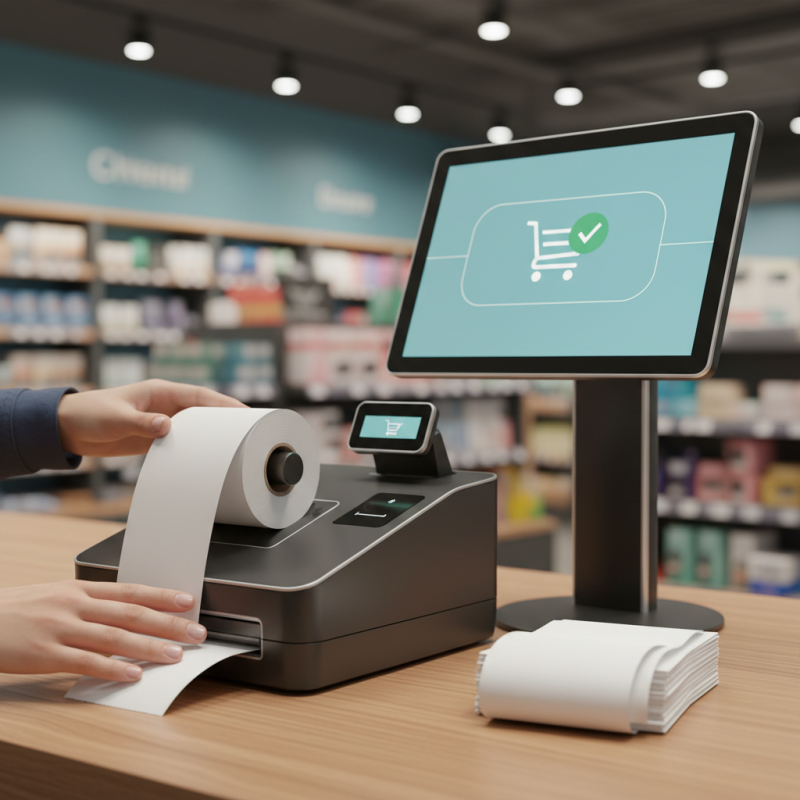
Thermal cash register paper is a unique type of paper used for receipt printing. Its composition is key to its functionality. This paper is coated with a heat-sensitive layer. When exposed to heat, it changes color, creating clear and durable text. The absence of ink makes it an efficient choice for businesses.
However, this type of paper also has some downsides. Its sensitivity to heat can lead to fading over time. Exposure to sunlight or high temperatures can damage the receipts. Businesses should consider storage conditions carefully. A balance must be struck between convenience and longevity.
In addition, thermal paper is not always eco-friendly. Many varieties contain harmful chemicals. This raises concerns about environmental impact. Some businesses may want to seek alternatives that are more sustainable. Understanding these aspects is essential for making an informed decision about thermal cash register paper.
Thermal cash register paper offers numerous benefits for businesses. It is known for quick printing, which saves time during customer transactions. This efficiency can enhance the overall shopping experience, leading to happier customers. Additionally, thermal paper is resistant to fading, ensuring that printed receipts remain clear over time.
Using thermal paper can also reduce costs. It eliminates the need for ink or toner, simplifying supply management. Businesses can save money in the long run by opting for this type of paper. However, it’s important to maintain proper storage conditions. Exposure to heat or light can damage the quality of the paper.
Thermal cash register paper is lightweight and easy to handle. This makes it convenient for daily use. However, some businesses encounter issues with printer compatibility. Understanding specific printer requirements is crucial before making a switch. Adopting thermal paper can be beneficial, but careful consideration is necessary to avoid potential pitfalls.
When managing a business, cost-effectiveness is essential. Thermal cash register paper is a choice that delivers long-term savings. According to industry reports, switching to thermal printing can reduce printing costs by up to 30%. This is significant for businesses looking to improve their bottom line.
Thermal printing eliminates the need for ink or ribbons, which can be costly over time. The initial investment in thermal paper may seem higher; however, the savings on consumables and maintenance quickly add up. A study showed that businesses noticed a 40% decrease in printing maintenance costs after transitioning to thermal systems. This shift not only saves money but also reduces waste.
Tips: Always check the quality of your thermal paper. Low-quality paper can lead to jams, creating unexpected downtime that affects sales. Additionally, consider bulk purchasing to further reduce costs. Doing so can lead to discounts from suppliers. However, balance is key; stockpiling too much can lead to waste if paper goes unused.
The production and disposal of thermal cash register paper can have significant environmental effects. This type of paper is often coated with chemicals that may not degrade easily. When disposed of, it contributes to landfill waste, where it could take years to break down. Thermal paper might also contain bisphenol A (BPA), a chemical harmful to both health and the environment. Many businesses overlook these facts while focusing on the convenience of using thermal paper.
The recycling process for thermal paper is complicated. Most recycling facilities are not equipped to handle it due to the chemicals involved. This leads to more waste ending up in landfills. Additionally, the sheer volume of paper used in transactions contributes to deforestation. This raises questions about sustainability and ethical sourcing in business practices.
Consider alternatives to thermal cash register paper. Options like recycled paper or digital receipts are more environmentally friendly. However, transitioning may require initial adjustments. It's important to weigh the environmental impact of choices. Making a more conscious decision can lead to positive changes for both businesses and the planet.
When choosing thermal cash register paper, quality is key. Look for paper that is compatible with your thermal printer. The texture and thickness can affect print quality. A too-thin paper may jam, while too thick can be wasteful.
Tips: Always check the specifications of your printer. Measure the width and roll diameter carefully. Improper sizing can lead to issues down the line.
Storage is just as important. Keep your paper in a dry, cool place. Heat and moisture can damage thermal paper. A storage box or cabinet works well. Avoid exposing the rolls to sunlight.
Tips: Label your storage boxes. This will save you time when you need to refill. It’s easy to forget where you placed your paper. Consider rotating your stock to use older rolls first.
Stay mindful of these details. Small oversights can lead to larger problems later. Quality paper and proper storage reduce waste and improve service.