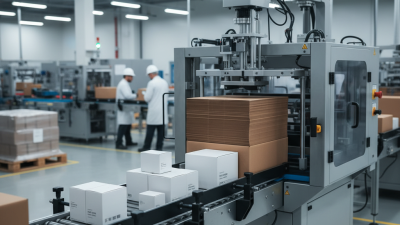
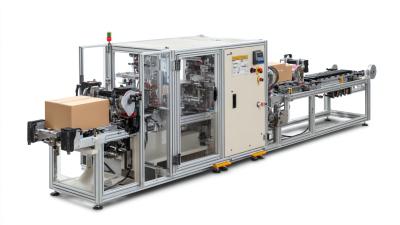
Packaging lines often lose time before filling even begins. Workers fold flat cartons, square each case, and apply tape by hand. These repeated actions can create uneven boxes, slow output, and increase physical strain. An Automatic Case Erector changes this process by forming cartons with consistent timing and controlled movement. It opens each blank, shapes the flaps, and seals the bottom before products enter the case.
The value is visible on the factory floor. A properly formed carton stands square on the conveyor. Its bottom tape stays centered, while sensors help detect missing or misaligned blanks. This consistency supports smoother product loading and reduces interruptions caused by unstable cases. It can also help manufacturers redeploy workers toward inspection, replenishment, or quality tasks.
Still, automation is not a magic fix. The machine must match carton dimensions, board quality, line speed, and sealing requirements. Poorly cut blanks may still cause jams. Operators need practical training, and maintenance teams must inspect belts, suction systems, sensors, and tape heads regularly. These details matter more than impressive speed claims.
A reliable evaluation should compare current labor use, stoppage records, changeover time, and carton waste. Manufacturers should also test the equipment with real packaging materials before installation. When selected and maintained carefully, an Automatic Case Erector can provide repeatable case formation and a more predictable packaging workflow. The best result is not simply faster production. It is a safer, steadier, and measurable operation.
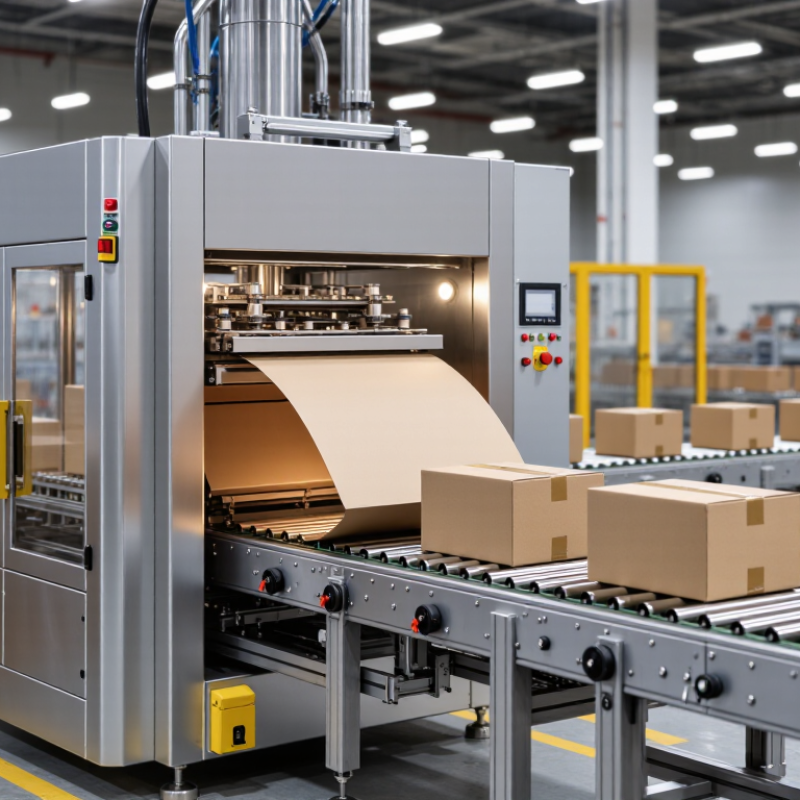
An automatic case erector turns flat corrugated blanks into open boxes for the next packaging stage.
It pulls one blank from a magazine, squares the panels, and forms the box shape. Flaps are then sealed with tape or hot-melt adhesive. The finished case moves forward at a controlled pace.
Inside the packaging line, sensors check blank position, flap movement, and case presence. A programmable control system coordinates these steps with fillers, conveyors, and downstream sealers. This connection reduces manual box forming and keeps product spacing more consistent. Operators can monitor jams, adjust settings, and reload the blank magazine during production.
Small details matter.
Warped blanks, dusty suction cups, or uneven compression can stop the process. It is not magic. A poorly adjusted machine may create open corners or crushed edges, especially when board strength changes between batches. Experienced technicians usually test several cases after setup and inspect the bottom seam by hand. That practical check can reveal problems that a sensor misses.
The machine also affects workplace flow. Workers spend less time folding boxes and more time checking materials, replenishing supplies, and responding to faults. However, automatic equipment still needs cleaning, guarding checks, and scheduled maintenance. Ignoring these tasks can reduce uptime and shorten component life. In real operations, the best results come from matching forming speed, case dimensions, adhesive settings, and operator skill rather than chasing maximum speed.
Why Use an Automatic Case Erector for Packaging?
An automatic case erector can raise carton throughput to 20–40 cases per minute. That range matters when manual folding creates a visible queue beside the filling machine. In a line trial, operators often spend less time opening blanks and pressing bottom flaps. More importantly, carton flow becomes steadier during product changes. A machine forming 30 cases per minute can prepare 1,800 cases per hour, before stoppages and material delays. Actual output varies with carton size, board quality, adhesive settings, and operator skill. Numbers need context.
The physical change is easy to see. Flat blanks enter the magazine, open into shape, and move toward sealing. This reduces repetitive hand movements and helps maintain consistent carton geometry. Poorly adjusted guides can still cause crushed corners or open bottoms. That weakness deserves attention. Experienced teams should record jam frequency, changeover time, and usable cases per hour, not only the advertised speed. A slower setting may produce better results if it reduces rework and interruptions. Maintenance checks also matter, especially around belts, sensors, and forming rails. Small delays accumulate. During testing, I would compare three shifts, different carton batches, and normal operator behavior before approving the target rate.
How 20–40 Cases per Minute Improve Carton Throughput
At a nominal operating speed of 20–40 cases per minute, an automatic case erector can process approximately 1,200–2,400 cartons per hour. The hourly figures are calculated by multiplying the case rate by 60 and represent continuous nominal throughput before allowances for changeovers, replenishment, stoppages, and maintenance.
An automatic case erector forms flat cartons into stable boxes at a consistent pace. In many packaging lines, one operator loads the carton magazine and checks supplies. Another worker may no longer need to fold boxes beside the filling station. That can reduce manual labor by one or two operators, depending on production speed and carton design.
The machine uses guides, sensors, and controlled folding arms to open each carton. It then seals the bottom with tape or adhesive. A properly adjusted system can prepare hundreds of boxes per hour without repetitive hand movements. Operators can focus on replenishing materials, checking seals, and responding to faults. That matters. Less repetitive work may also reduce fatigue during long shifts.
The labor estimate is not universal. Small cartons, irregular board quality, or frequent size changes can reduce the benefit. A poorly tuned machine may create jams and require more attention than expected. I have seen minor alignment issues stop an otherwise efficient line. Regular cleaning, correct carton specifications, and operator training are essential. Small detail. Before installation, measure actual carton demand, changeover time, and available floor space. A careful trial run often reveals whether the equipment truly replaces one operator, two operators, or only part of one role.
Why Use an Automatic Case Erector for Packaging?
How 99%+ Squaring Accuracy Supports Consistent Case Quality
An automatic case erector forms flat blanks into square, stable cases before filling. With 99%+ squaring accuracy, the four panels meet cleanly at each corner. This reduces leaning walls, uneven flaps, and jams at the sealing station. Operators also spend less time correcting cases by hand. That matters during long production runs. A misaligned case can tilt on a conveyor, damage products, or create weak seals.
The MHI 2024 Annual Industry Report found that 55% of supply chain leaders expected technology investment to increase. This supports practical automation, especially where labor consistency is difficult. In real packaging lines, accurate squaring helps maintain repeatable case dimensions and smoother pallet patterns. However, 99%+ is not magic. Blank quality, humidity, machine setup, and maintenance still affect results. A neglected guide rail can quietly reduce performance.
Tips: Check squaring accuracy during shift changes, not only during installation. Inspect corner contact, flap overlap, and conveyor stability. Record rejected cases by cause. Small data often reveals large problems. Use sample checks, because one perfect case proves very little. Calibration should follow actual carton sizes and board types. The target may need adjustment after packaging changes.
| Performance Dimension | Manual or Inconsistent Erecting | Automatic Case Erecting | Packaging Benefit |
|---|---|---|---|
| Case squaring accuracy | Typically varies with operator technique, fatigue, and case condition | 99% or higher under controlled operating conditions | Creates a more uniform case shape for filling, sealing, stacking, and transport |
| Flap alignment | May require manual adjustment before sealing | Guided forming and synchronized mechanisms keep flaps in a repeatable position | Improves tape or adhesive placement and reduces open-flap defects |
| Case geometry consistency | Irregular corners and sidewalls can occur from uneven forming pressure | Repeatable forming pressure supports consistent rectangular geometry | Helps reduce carton deformation and improves pallet stability |
| Case rejection risk | Higher variation when blanks are damaged, warped, or incorrectly positioned | Sensors and controlled feeding can identify or prevent many forming errors | Reduces material waste, rework, and interruptions downstream |
| Operating speed | Usually limited by the operator’s sustained handling rate | Common systems operate continuously within their rated case-size and material range | Supports a steadier case supply for filling and packing lines |
| Labor requirement | Requires continuous manual forming and positioning | One operator can typically supervise feeding, replenishment, and line performance | Allows labor to focus on quality checks, material handling, and other production tasks |
| Downstream sealing quality | Uneven case openings can cause inconsistent sealing pressure and tape placement | Uniformly erected cases present a more consistent sealing surface | Improves closure appearance and package integrity |
| Palletizing performance | Variable dimensions can create gaps, leaning, or uneven load layers | Consistent case dimensions support more regular layer formation | Improves load stability and helps reduce transportation damage |
Note: Performance figures are typical industry benchmarks and operating targets. Actual results depend on case dimensions, corrugated board quality, machine setup, product characteristics, maintenance, and line speed.
Automatic case erectors deliver the greatest value where cartons arrive flat and demand stays steady. Operators repeat the same motion for hours. High-volume food, beverage, household-goods, and e-commerce operations often fit this profile. A machine opens each corrugated blank, squares the box, and applies adhesive or tape with consistent timing. That removes a slow manual step before filling begins. It also reduces awkward lifting and helps supervisors measure output more clearly. Small gains matter.
The strongest candidates run several packaging lines or process thousands of cases daily. Contract packers benefit when customer orders change, but case sizes remain within a planned range. Seasonal operations can gain capacity without adding a large temporary crew. Warehouses with limited floor labor may value reliable case presentation more than maximum speed. Sensors can detect misfeeds, while adjustable guides support different carton dimensions. Still, changeover time deserves attention. A fast machine can disappoint if setup is complicated.
Automatic erection is less suitable for low-volume work, irregular box designs, or frequent custom packaging. An experienced engineer should review blank quality, case weight, sealing method, line balance, and available space. In practice, poor corrugated sheets can cause jams, and no erector can correct every upstream problem. Operators still need training, cleaning routines, and simple checks at each shift’s start. The best result comes from matching the machine to the operation, not chasing headline speed. That judgment takes testing, and the first layout may be wrong.