A case sealer can look like a simple end-of-line purchase: fold the flaps, apply tape, move on. In practice, carton sizes, line speed, and operator workload all shape whether it performs well. A machine that seals one standard box reliably may struggle when a shift brings mixed case dimensions. Small details matter. Tape alignment matters. So does access for changeovers.
The investment sits within a growing automation market. PMMI’s 2024 State of the Industry report estimated U.S. packaging machinery shipments at about $10.9 billion in 2023, reflecting continued demand for packaging equipment. That figure describes the broader machinery sector, not case sealers alone. Still, it helps explain why buyers are comparing automation options more closely. This guide reviews 10 case sealers for packaging buyers in 2026, focusing on practical fit: throughput, carton range, adjustment needs, footprint, and service support. The best choice depends on the actual line, not just a speed figure on a product sheet. Ask vendors to test your cartons and tape. Watch a real changeover. Listen for jams. A faster rating can look impressive. It may not help if operators spend the shift correcting misfeeds. No machine is perfect. Some trade-offs only become obvious after installation, and that deserves more attention than glossy specifications.
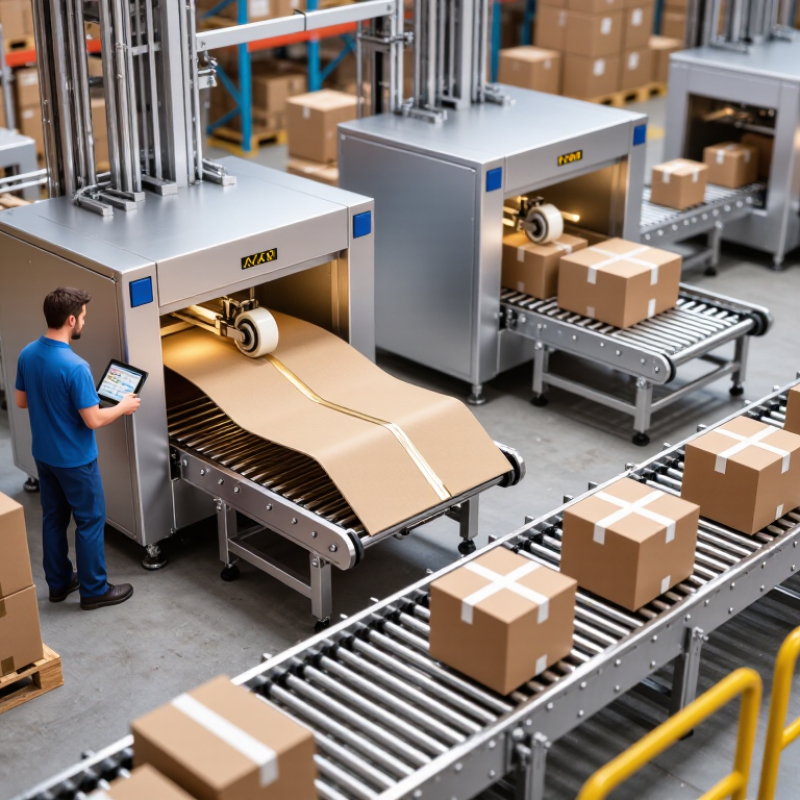
A case sealer closes cartons after products are packed, using tape or hot-melt adhesive to secure the top and sometimes the bottom flaps. On a manual line, an operator folds the flaps and feeds each carton through the machine. Automatic systems can form, fill, and seal cases with less hands-on handling. In both setups, carton size, line speed, and seal consistency must match the operation. Small adjustments matter.
FEFCO’s 2023 European Database for Corrugated Board Life Cycle Studies reports an 88% recycling rate for corrugated packaging in Europe. A sealer does not make a carton recyclable, but the closure choice can affect how easily materials are separated. Tape width, adhesive, and carton condition deserve a check during line trials. One caveat: the fastest setting is not always the best one. A tidy seal can still conceal poor flap alignment.
Tips: Test several carton sizes at normal production speed. Check seals at startup, after changeovers, and when tape rolls are replaced. Keep a sample of a good seal nearby for comparison. That simple check is easy to skip.
Case sealers mainly differ in how much adjustment and operator input they require. Manual machines suit low-volume packing areas, where workers fold flaps and guide each carton through the sealing head. They are relatively simple, but output depends on steady handling. If box sizes vary often, frequent adjustments can slow the shift.
Semi-automatic sealers feed and tape cartons after an operator positions them. Some models adjust to different case dimensions; others need manual width and height changes. That distinction matters when a line handles several carton sizes. A taped seam should sit centered and flat, not wrinkle over a dusty flap. Small setup errors can waste tape and weaken the closure.
Automatic sealers use powered conveyors and sensors to process cartons with less hands-on feeding. They fit consistent, higher-volume lines, but need suitable floor space and reliable upstream flow. A machine cannot fix badly formed boxes. There is a trade-off. Buyers should compare actual case dimensions, hourly throughput, changeover time, and tape requirements using production samples. In practice, the fastest machine on paper may not be the best fit when cartons arrive unevenly or operators must clear jams. That detail is easy to overlook.
A useful case sealer should match the cartons your team actually packs, not just the fastest rate on a specification sheet. Measure the smallest and largest box sizes, including their filled weight and board strength. Check whether the machine adjusts easily between sizes. A quick changeover matters when orders vary, but test it with real cartons; an empty demonstration can hide awkward controls.
Look for even top and bottom seals, reliable tape tracking, and clear access for cleaning and routine checks. Ask how operators clear a jam and replace a tape roll. Watch a full production run, then inspect cartons for lifted edges, crushed corners, or uneven tape. Compare rated speed with your line’s expected output. Faster is not always better. Noise, floor space, maintenance support, and total operating cost also deserve attention. One detail is easy to miss: a sealer may perform differently with recycled or lightly warped cartons.
Tips: Bring several representative cartons to a supplier trial. Record changeover time and seal defects. If results vary, investigate carton quality and setup before blaming the machine. A short test is useful, but longer runs reveal more.
A case sealer should match the cartons moving through your line, not just its advertised speed. Measure your usual case dimensions, then check how often operators change sizes. A machine that handles one carton perfectly may struggle with mixed orders. Small details matter: tape overlap, flap alignment, and cartons arriving slightly bowed.
The U.S. Census Bureau reported that online retail sales reached $1.1926 trillion in 2024, up 8.1% from 2023, and represented 16.1% of total retail sales. That growth can mean more cartons to close, but higher speed alone is not the answer. Compare the sealer’s rated throughput with your real line rate, including pauses for replenishment and jams. Test your own boxes. Not glamorous, but useful.
For a practical comparison, record changeover time, mis-seals, tape use, and operator interventions during a production trial. Check whether controls are clear and routine cleaning is easy. Also ask how the machine handles your lightest and heaviest cases. A tidy demonstration can hide awkward adjustments; that assumption can be wrong. The Census Bureau’s 2024 e-commerce estimate offers market context, not a forecast of your facility’s workload. Use your own shift data before choosing equipment.
A case sealer should match the cartons moving through your line, not just its advertised speed. Measure carton length, width, and height, including the smallest and largest sizes you run. A machine set for uniform cases may struggle when dimensions change often. Fit matters.
For steady batches of similar cartons, a fixed-format sealer can provide simple, repeatable closing. If operators switch between sizes during a shift, consider a machine with quick adjustments or automatic sizing. Check how those adjustments work in practice: knobs that look simple in a brochure can slow changeovers when settings are hard to read. Ask for a trial using your actual cartons and tape.
Carton quality matters, too. Warped flaps, dusty surfaces, or weak corrugated board can affect sealing and cause rework. Tape sealing is often suited to clean, consistent cases, while other sealing methods may fit different line conditions. Match the closure to the carton material and packing environment. Then compare rated speed with your real output, including the time needed to load, inspect, and clear jams. A short test can reveal more than a polished demonstration. I would also leave room for uncertainty: seasonal carton changes may expose limits that a single sample run misses. Keep spare parts and operator training in the purchasing plan.
Selection guide by machine type, carton format, and operating need. Throughput figures are indicative planning ranges, not guaranteed ratings; actual speed depends on carton dimensions, operator loading, closure method, and line layout. Confirm the machine’s minimum and maximum case sizes with the equipment supplier.
| Rank | Case Sealer Type | Best Production Fit | Carton Format | Typical Throughput | Closure Method | Key Buying Consideration |
|---|---|---|---|---|---|---|
| 1 | Automatic Random-Size Case Sealer | Mixed-SKU lines where carton sizes change frequently and manual adjustment would slow production. | Regular slotted cartons (RSC) in varying lengths, widths, and heights; size range is machine-specific. | Approximately 10–20 cases per minute | Pressure-sensitive carton-sealing tape | Check how the machine detects case dimensions and whether size changes require operator intervention. |
| 2 | Automatic Uniform-Size Case Sealer | Steady, higher-volume production running one carton size or a small set of repeatable sizes. | Consistent RSC cartons with repeatable dimensions. | Approximately 20–40 cases per minute | Pressure-sensitive tape | Offers efficient operation when carton dimensions remain stable; verify changeover time if multiple sizes are used. |
| 3 | Semi-Automatic Uniform Case Sealer | Small to medium operations seeking more consistent sealing without a fully automated line. | RSC cartons of one preset size; typically requires manual top-flap folding and feeding. | Approximately 8–15 cases per minute | Pressure-sensitive tape | Compare required operator tasks, adjustment method, and whether top flaps must be closed by hand. |
| 4 | Random-Size Semi-Automatic Case Sealer | Lower-volume mixed-carton packing where flexibility matters more than maximum line speed. | RSC cartons with changing dimensions, within the machine’s stated operating range. | Approximately 5–12 cases per minute | Pressure-sensitive tape | Useful for varied orders, but an operator generally presents each carton and manages flap closure. |
| 5 | Top-and-Bottom Case Sealer | Lines that need both carton seams sealed in one pass, including applications where cartons are loaded before sealing. | RSC cartons with accessible top and bottom center seams. | Approximately 10–30 cases per minute | Tape applied to the top and bottom center seams | Confirm the loading sequence, carton stability, and whether the lower taping head is accessible for maintenance. |
| 6 | Side-Belt-Drive Case Sealer | Cartons that are relatively narrow, lightweight, or less suitable for top-and-bottom belt contact. | RSC cartons supported and conveyed by side belts; allowable width and weight vary by design. | Approximately 10–25 cases per minute | Usually pressure-sensitive tape | Assess carton rigidity and side-wall condition, as the drive belts contact the carton sides. |
| 7 | Top-Belt-Drive Case Sealer | Stable, heavier cartons moving through a continuous production line. | RSC cartons with sufficient top-panel strength for belt contact. | Approximately 10–25 cases per minute | Usually pressure-sensitive tape | Check that top pressure will not crush the product or distort cartons with weak or uneven panels. |
| 8 | Hot-Melt Adhesive Case Sealer | Applications seeking adhesive closure or a different seal appearance from standard tape closure. | Corrugated cartons compatible with the selected adhesive and application pattern. | Approximately 10–30 cases per minute | Hot-melt adhesive | Factor in adhesive compatibility, warm-up time, guarding, cleaning, and safe handling of heated components. |
| 9 | High-Speed Automatic Case Sealer | High-volume packaging lines with consistent cartons, controlled infeed, and downstream conveyor capacity. | Typically uniform RSC cartons; speed and format flexibility depend on the configuration. | Approximately 30–60 cases per minute | Typically pressure-sensitive tape; some configurations support adhesive | Validate the full line rate, carton quality, accumulation, and jam recovery—not just the machine’s maximum rated speed. |
| 10 | Compact Footprint Case Sealer | Work areas with limited floor space, short conveyor runs, or modest packaging volumes. | Uniform or limited-range RSC cartons, depending on the machine design. | Approximately 5–15 cases per minute | Usually pressure-sensitive tape | Measure operator access, carton infeed and discharge clearance, roll changes, and service access before purchase. |