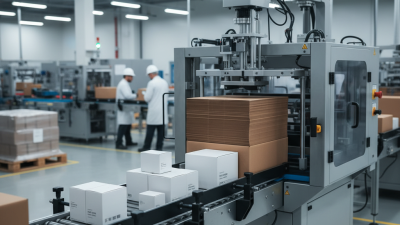
Choosing the right Case Sealer Machine is crucial for packaging efficiency. This equipment ensures that products remain secure during transit. However, selecting the best machine requires careful consideration.
Several factors come into play. First, consider the size and type of products you're sealing. A small, lightweight item needs a different approach than heavy or bulky products. Additionally, the volume of products also matters. Higher production rates may require a more robust machine with advanced features.
Assess the available space in your facility. Some machines require extensive room for operation, while others are compact and versatile. Also, think about the long-term costs. Investing in a reliable Case Sealer Machine might seem costly upfront, but it saves money over time. Reflecting on your specific needs will guide you in making the best choice.
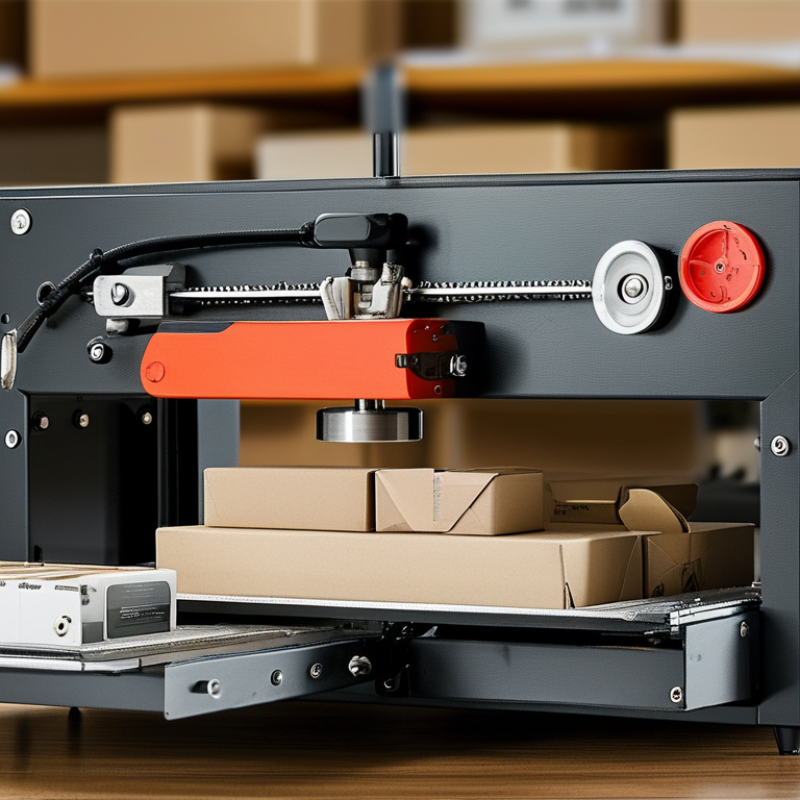
Case sealer machines play a vital role in the packaging industry. They ensure that products are securely sealed, safeguarding them during transit and storage. A reliable case sealing machine minimizes the risks of damage and contamination. When packaging e-commerce orders, efficient sealing is crucial. It streamlines the workflow and enhances operational productivity.
Choosing the right case sealer machine involves understanding your specific needs. Factors like production speed and the type of materials used are essential. A machine must accommodate various box sizes. However, some businesses fail to evaluate long-term reliability. Over time, the wrong choice can lead to increased maintenance costs. It's essential to seek expert advice before making a decision.
Additionally, regularly reviewing your packaging process can reveal areas needing improvement. Small adjustments in sealing methods might yield significant benefits. Observing the performance metrics of your current equipment is vital, yet many overlook this. Keeping a close eye on these details ensures you remain competitive in the market.
This chart illustrates the importance of different features when selecting a case sealer machine. The data showcases various factors and their corresponding importance ratings based on industry feedback.
When selecting a case sealer machine, consider several crucial factors for effective performance. One key aspect is the type of sealing method. Options include tape, glue, and heat. Assess the products you will seal, as different items may need specific sealing techniques. A machine that handles various sealing methods often proves more versatile.
Production speed is another significant factor. Evaluate your output requirements and choose a machine that keeps pace with your workflow. A faster machine can reduce bottlenecks, but ensure it maintains the quality of seals. Consider the width of the machine as well. Not every unit can handle large or irregularly shaped cases efficiently.
Examine the reliability of the machine. Seek models with a good track record in longevity and maintenance. Machines requiring frequent repairs can disrupt production. Also, think about the user experience. A machine that's intuitive and easy to operate can streamline your packaging process.
Harnessing these insights can guide your selection and improve overall productivity. Look for feedback from previous users. Their experiences often reveal strengths and weaknesses you might not have considered.
| Factor | Description | Importance Level |
|---|---|---|
| Production Speed | The speed at which the machine can seal cases, measured in packages per minute. | High |
| Sealing Method | The method of sealing used, such as tape or glue, which affects durability. | Medium |
| Machine Size | The dimensions of the machine and its compatibility with existing production lines. | High |
| Ease of Use | How user-friendly the machine is, including setup and operation complexity. | Medium |
| Maintenance Requirements | Frequency and ease of maintenance tasks to keep the machine operational. | Medium |
| Cost | Total investment required, including purchase price, installation, and maintenance cost. | High |
Choosing the right case sealer machine can be overwhelming. Various types are available, each serving a unique purpose. Understanding these options helps ensure optimal efficiency for your packaging needs.
Automatic case sealers are designed for high-volume operations. They seal cases quickly using advanced technology. They can adapt to various box sizes, making them versatile. However, they may require a larger initial investment. Consider maintenance costs and space requirements when investing in them.
Semi-automatic sealers provide a balance of efficiency and cost. They require manual input but can speed up workflows significantly. Ideal for smaller operations, they are also easier to maintain. A downside could be inconsistency if operators are not trained properly.
When selecting a case sealer, evaluate the production volume, box dimensions, and sealing requirements. Pay close attention to ease of use and availability of parts. Training for operators is crucial to prevent errors. Understanding the specific needs of your production line can guide you toward the best choice.
When selecting a case sealer machine, assessing your production requirements is vital. Size is one of the primary considerations. Think about your packaging dimensions. A machine should fit your products comfortably. This ensures efficient sealing. Measure product height, width, and weight. If your products vary, opt for an adjustable model.
Speed is another crucial factor. Analyze your production rate. If you seal hundreds of boxes daily, choose a high-speed option. Machines with automated features save time. But be mindful; a fast machine may require more maintenance. Evaluate if your team can handle this.
Efficiency is essential for reducing operating costs. Look for machines that consume less energy, yet maintain performance levels. Sometimes, machines with lower initial costs may lead to higher energy bills. It's important to balance upfront expenses with long-term savings. Regularly reassess your needs as production demands change. Keep an eye on how well the machine adapts to your workflow. This reflection can guide future decisions.
When it comes to a case sealer machine, proper maintenance is crucial. Regular checks can prevent unexpected breakdowns. Just like a car, your machine needs attention. Inspect belts and seals regularly for wear. Lubrication should not be overlooked. It keeps moving parts functioning smoothly.
Training staff is equally important. Ensure every operator knows how to handle the machine. An informed team can spot issues early. This proactive approach often prevents costly repairs. Document any malfunctions and fixes. This creates a valuable resource for troubleshooting.
Be aware of wear patterns. If a part shows frequent problems, consider upgrading. In time, even the best equipment may require replacements. A well-kept machine enhances productivity and minimizes downtime. Regular maintenance shines a spotlight on potential weak spots. Taking time for these checks can save money in the long run.