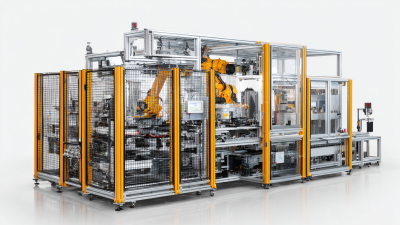
What Is a Box Forming Machine and How Does It Work?
Packaging lines depend on boxes that arrive square, secure, and ready for filling. A Box Forming Machine turns flat corrugated blanks or sheets into three-dimensional boxes through feeding, folding, and joining operations. Depending on its design, it may use adhesive, staples, or locking tabs. The basic idea is simple. The production details are not.
The market context is significant. Smithers’ industry report, The Future of Global Packaging to 2028, projects that global packaging demand will continue to grow, with the market approaching $1.3 trillion by 2028. This forecast covers many packaging formats, not boxes alone. Still, it shows why manufacturers are investing in dependable, higher-throughput packaging equipment. A poorly squared box can jam a conveyor, waste material, or slow a filling line. Small errors matter.
This guide explains what a Box Forming Machine does and how its main stages work, from blank feeding to finished-box discharge. It also considers machine types, key components, and practical selection factors such as box size, output rate, and changeover time. Real production conditions can be less tidy than a brochure suggests. Board quality, adhesive settings, and operator adjustments all affect results. Understanding those variables helps buyers ask better questions and helps operators spot problems earlier. No machine fixes every process weakness. That is worth remembering.
What a Box Forming Machine Is
A box forming machine turns a flat, pre-cut carton blank into a three-dimensional box. It guides the board through folding and shaping steps, bringing panels and corners into position. Depending on the machine, seams may be secured with adhesive, tape, or staples. Some models also close the box bottom, while others only erect the carton.
In a typical setup, a stack of corrugated blanks feeds into the machine. Guides keep each blank aligned as folding rails or forming tools lift its side panels. A compression section can help hold glued seams in place. The result is a box ready for packing or for another production step. Small changes in board thickness or blank dimensions may affect feeding, so setup matters.
The term can be a little broad. Some equipment forms cartons from flat blanks; other systems also fill or seal them. Those are not quite the same job. When comparing machines, it helps to check the box styles, sizes, and materials they can handle. A machine suited to a sturdy shipping carton may not handle a small retail box well. The distinction is easy to overlook.
Key Components and Their Functions
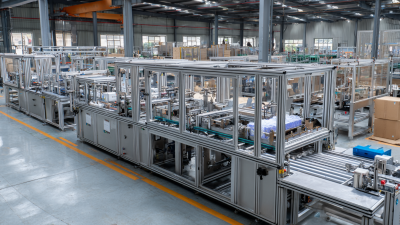
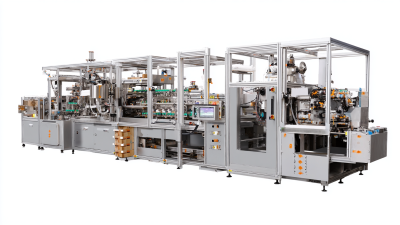
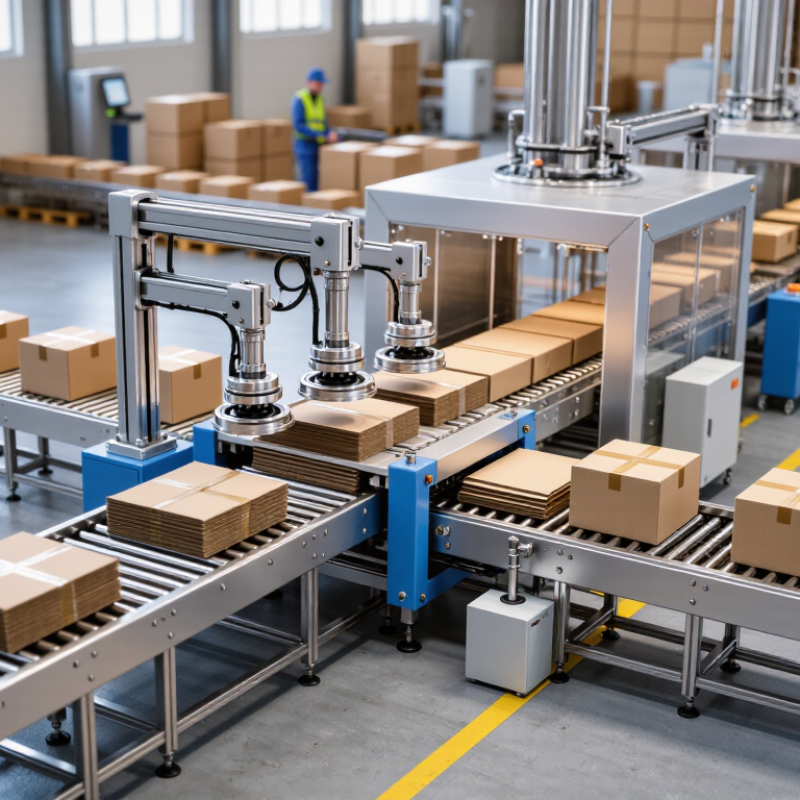
A box forming machine converts flat blanks into open boxes ready for filling.
Its frame supports the moving parts and keeps the forming area aligned. The blank magazine holds stacked, pre-cut material, while a feeder separates and advances each piece. Some machines use suction cups; others rely on mechanical grippers. Small misfeeds matter. A skewed blank can cause uneven corners or a jam.
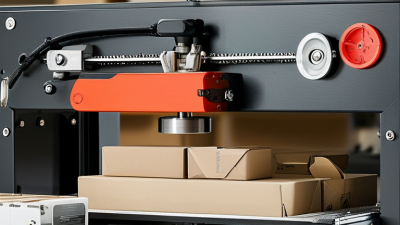
At the forming station, folding plates or shaped tooling raise the sides and create the box corners. An adhesive applicator may place hot melt or another specified bonding material on selected flaps. A compression belt or clamp holds the joints briefly while they set. Sensors check blank position and box movement, while a controller coordinates timing and stops the cycle when a fault is detected. Guards and interlocks help protect operators around moving parts. Not every line is identical. Blank thickness, crease depth, and adhesive temperature can all affect results, so setup usually needs careful testing. A clean-looking box is not always a well-bonded one; checking corner strength during production is a useful habit.
How Materials Move Through the Machine
A box forming machine begins with flat, pre-cut blanks stacked in a magazine. A pickup arm or vacuum cups separate one blank and draw it into the feed path. Belts or rollers carry it forward, while side guides help keep its edges aligned. A small shift matters. If blanks cling together or enter at an angle, the next forming steps may produce crooked corners.
Sensors monitor blank position and movement, though their layout differs between machines. If a sensor detects a missed or doubled blank, the machine may pause to prevent a jam. The blank then reaches forming tools, which fold panels along scored lines. Depending on the box design, adhesive, tuck-in tabs, or locking flaps hold the shape. The folds need consistent pressure. Too little can leave panels loose; too much may crease or mark the material.
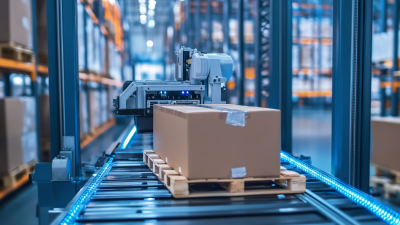
After forming, belts or a compression section hold the box while adhesive sets, when glue is used. A conveyor then carries finished boxes to a stacker or packing area. Operators often watch the box edges and listen for changes in machine rhythm, since small feed problems can appear before a full stop. Not every fault is obvious. A box may look square but still have a weak bond, so periodic checks of seams and dimensions remain useful.
The Step-by-Step Box Forming Process
A box forming machine turns a flat corrugated blank into a three-dimensional carton. The step-by-step process begins when a magazine feeds one blank toward a pick-up arm. Suction cups lift it, and guides square it against stops. This alignment matters: a skewed blank can produce uneven corners.
Next, folding rails bend the panels along their scored lines. Depending on the machine, adhesive or tape secures the bottom flaps. A compression section holds the joint briefly, then the formed box moves to the discharge point. Operators may check dimensions, flap closure, and glue placement. Sensors can flag jams, but they cannot fix warped board or poorly scored blanks. That part still needs attention.
FEFCO’s 2022 European Database reported 52.4 billion square metres of corrugated production in Europe, illustrating the scale of box manufacturing and the value of consistent forming.
Tips: Match blank dimensions and board grade to the machine’s setup before production. Test a few cartons at operating speed, then inspect the corners and bottom seam. Watch for dust on suction cups; even a small buildup can weaken the grip. Record adjustments, but revisit them when materials change. A setting that worked yesterday may not work today.
Common Box Types and Production Uses
Box forming machines handle several common package styles, each suited to a different product and shipping need. Corrugated shipping cases protect appliances, books, and online orders during transit. Folding-carton machines shape lighter paperboard cartons for dry foods, cosmetics, and small household goods. Tray formers create open-top bases for produce, baked goods, or grouped bottles. The right format depends on product weight, stacking needs, and how the box will be filled.
A typical machine feeds flat blanks, folds scored panels, and secures seams with adhesive or tape. Some models also square the box and press corners into place. Larger lines may form boxes continuously, while compact machines suit shorter runs or frequent size changes. Operators still need to check blank alignment and glue placement; a fast cycle cannot correct a poorly cut blank. It is easy to assume every box will run smoothly. In practice, board thickness and humidity can affect feeding.
Tips: Test several blanks before production. Check that folds follow the score lines, and inspect glued seams after they cool. Keep a few sample boxes nearby for quick comparison.
 English
 Español de México