What Is a Box Forming Machine and How Does It Work?

A Box Forming Machine is built to turn flat carton blanks into stable, usable boxes with controlled speed and repeatable accuracy. It folds panels, applies adhesive when required, and presses seams until the structure holds. Some models also square the box, lock bottom flaps, or prepare cartons for automatic filling. The machine’s design depends on box size, board thickness, closure style, and production volume.

Walter Soroka, a respected packaging technology educator, describes packaging as “a system, not a single material.” That view matters here. A forming machine does more than bend cardboard. It coordinates feeders, guides, folding rails, sensors, belts, and compression sections. A small misalignment can create a crooked corner or a weak bottom. Dust on a sensor may stop the line. Moisture can also change how the board folds.

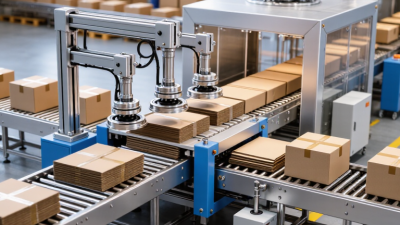
The working cycle often begins with a magazine holding flat blanks. Vacuum cups or friction belts separate one blank at a time. Guides position it before folding tools create the box shape. Adhesive nozzles may place narrow glue lines along selected flaps. Compression belts then maintain pressure while the bond develops. It looks simple from outside. It is not always simple.

Operators still adjust timing, pressure, and guide width for different cartons. They inspect samples, measure squareness, and watch rejected boxes. Even advanced equipment needs judgment. This article explains how a Box Forming Machine works, where its accuracy comes from, and why real production results can differ from brochure claims.
What Is a Box Forming Machine and How Does It Work?

What Is a Box Forming Machine?

A box forming machine is industrial equipment that converts flat cartons or corrugated blanks into usable boxes. It opens the collapsed blank, folds scored panels, and secures the bottom with adhesive, tape, or interlocking flaps. Some machines also square the box before filling. The operator loads a magazine of flat blanks, while vacuum cups or mechanical arms separate each piece. Sensors check alignment. A misfed blank can stop the line before it creates a larger packaging problem.

The machine’s design depends on box size, board strength, closure style, and production speed. A small unit may form several hundred boxes per hour, while high-speed systems can exceed 1,000 boxes per hour under suitable conditions. PMMI’s 2024 State of the Industry report valued U.S. packaging machinery shipments at about 10.2 billion dollars in 2023, showing the scale of automated packaging demand. Corrugated packaging also remains significant. FEFCO’s European statistics report tens of billions of square meters of corrugated board produced annually. These figures explain why repeatable forming matters in warehouses and factories. Still, speed is not everything. Poor scoring, humidity, or inconsistent board thickness can cause crushed corners and weak bases. In practice, technicians often reduce speed during changeovers. That choice may look inefficient, but it can lower waste and protect downstream equipment.

What Materials and Box Types Can It Process?

What Materials and Box Types Can a Box Forming Machine Process?

A box forming machine commonly handles corrugated board, folding carton stock, and coated paperboard. Corrugated board may use kraft or recycled liners with fluting between them. Its thickness ranges from lightweight E-flute to stronger double-wall structures. Material choice depends on product weight, stacking height, moisture exposure, and shipping distance.

According to Smithers’ 2024 market study, the global corrugated packaging market is expected to exceed 200 billion US dollars by 2029. E-commerce remains a major demand driver. That growth increases demand for machines processing recycled fiber and lighter board grades. However, recycled board can vary in stiffness and moisture content. This sometimes causes feeding errors. Operators must adjust suction, compression, and folding pressure carefully.

The most common box is the regular slotted carton, used for shipping and warehouse storage. Machines can also form die-cut mailers, tuck-end cartons, display trays, crash-lock boxes, and partitioned cases. Some systems handle single-wall and double-wall board, while others process only narrow thickness ranges. Packaging Machinery Manufacturers Institute reports that automation is increasingly used to improve packaging consistency and reduce manual handling. Yet automation is not magic. Poor scoring, warped sheets, or inaccurate die-cutting can still create open corners and weak seams.

In practical production, a box former may apply adhesive, fold panels, compress joints, and eject finished cartons. Hot-melt glue suits fast lines, while water-based adhesive can support certain paperboard applications. Material testing remains essential before full production begins.

How Does the Box Forming Process Work Step by Step?

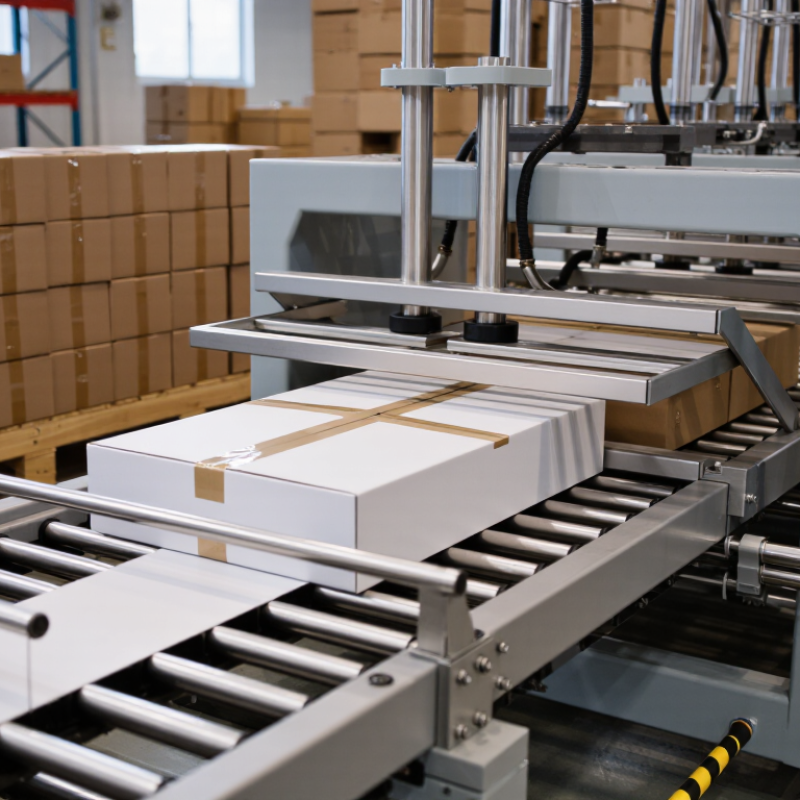
A box forming machine converts flat carton blanks into open, usable boxes. The process begins with a magazine holding stacked blanks. A vacuum feeder separates one blank at a time. The blank then moves toward forming rails, where folding plows bend its scored panels. The machine squares the carton before sealing its bottom flaps.

How does the box forming process work step by step? First, sensors check blank position and detect double feeding. Next, guide belts control the carton’s movement. Glue, tape, or locking tabs secure the bottom flaps. Compression belts briefly hold the joint in place. Finally, the formed box exits at a steady height for filling. Smithers projects the global packaging market could reach about 1.2 trillion US dollars by 2028, increasing pressure for faster and more consistent carton handling. PMMI industry research also identifies labor availability as a major reason manufacturers invest in automated packaging equipment. Still, speed is not everything. Poor scoring can create crooked corners, even on a new machine.

Tips: Match the machine to carton size, board thickness, and closure style. Check vacuum pressure and folding guides each shift. Run a short trial first. Small adjustments matter. Operators should also measure box squareness, glue bonding, and output rate, rather than trusting the display alone. In practice, dust, humidity, and warped blanks can reduce performance. That part is often underestimated.

What Are the Main Components of a Box Forming Machine?

What Is a Box Forming Machine and How Does It Work?

What Are the Main Components of a Box Forming Machine?

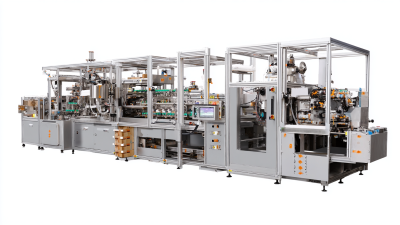
A box forming machine converts flat cardboard blanks into stable cartons. Its frame supports the complete assembly and keeps moving parts aligned. The blank magazine stores folded sheets before production begins. Feed rollers then separate and guide each blank toward the forming area. Their pressure must remain consistent. Excessive force can mark the cardboard.

The forming station uses guides, rails, and shaping plates to fold scored panels accurately. A forming mold gives the carton its final dimensions. Depending on the design, glue nozzles, tape units, or locking mechanisms secure the seams. Sensors monitor blank position, material flow, and possible jams. Sensors watch carefully. A control panel adjusts speed, timing, and operating settings.

A drive system powers rollers and folding movements through motors, belts, gears, or pneumatic devices. Safety guards protect operators from moving components and improve process control. In practical operation, clean sensors and correctly adjusted guides make a noticeable difference. I have found that small alignment errors often create crooked corners or weak seals. The machine may appear simple. It is not always forgiving. Cardboard thickness, humidity, and scoring quality can change its performance. Regular inspection helps, although maintenance schedules sometimes need adjustment after real production experience.

What Is a Box Forming Machine and How Does It Work? - What Are the Main Components of a Box Forming Machine?
Category Main Component or Stage Function and Working Principle Typical Materials or Specifications Operational Considerations
Definition Box Forming Machine An automated machine that folds flat carton blanks and secures them into finished boxes for packaging and shipping. Corrugated board or folding carton stock; commonly used with regular slotted cartons and other pre-cut box styles. The machine must be matched to the box design, board grade, blank dimensions, and required production rate.
Input System Blank Magazine or Feeder Stores flat blanks and separates them one at a time before feeding them into the forming section. Adjustable guides, belts, vacuum pick-up devices, or friction-feed rollers. Correct stack alignment and consistent blank separation help prevent double feeding, skewing, and stoppages.
Transport System Conveyor and Drive Belts Move the carton blank through each folding and gluing or sealing station at a controlled speed. Timing belts, polyurethane belts, rollers, gearboxes, and variable-speed motors. Belt tension, tracking, speed synchronization, and surface cleanliness affect box squareness and throughput.
Forming System Folding Rails, Guides, and Plows Guide and bend scored panels along their crease lines to transform the flat blank into a three-dimensional box. Adjustable metal rails, forming plows, side guides, and compression rollers. Guide positions must correspond with the score lines; excessive pressure can crack board or distort the box.
Sealing System Glue Applicator or Tape Unit Applies adhesive or pressure-sensitive tape to the designated flap so the box retains its formed shape. Cold glue, hot-melt adhesive, adhesive tape, nozzles, pumps, reservoirs, or tape heads. Adhesive viscosity, application position, curing time, and nozzle cleanliness directly affect bond quality.
Compression System Compression Belts or Pressing Section Holds the glued or taped panels together while the adhesive sets or the seal is firmly pressed. Parallel belts, pressure rollers, side clamps, and adjustable compression guides. Pressure should be sufficient for secure bonding without crushing flutes or leaving permanent marks.
Control System Electrical Cabinet and PLC Coordinates motor speed, sensor signals, adhesive timing, alarms, interlocks, and machine sequencing. Programmable logic controller, variable-frequency drives, relays, circuit protection, and operator interface. Control settings should be adjusted when changing box dimensions, board thickness, or production speed.
Detection System Sensors and Inspection Devices Detect blank position, product presence, jams, missing flaps, incorrect alignment, and other process conditions. Photoelectric sensors, proximity switches, encoder feedback, and optional vision inspection. Sensor lenses, alignment, response time, and calibration should be checked during preventive maintenance.
Output System Discharge Conveyor and Collection Area Transfers completed boxes to manual packing, palletizing, or a downstream packaging operation. Outfeed conveyor, counting sensor, stacking guides, and reject mechanism where required. Stable discharge spacing and accurate counting support efficient packing and inventory control.
Operating Sequence Typical Forming Cycle The machine feeds a blank, aligns it, folds panels, applies adhesive or tape, presses the joint, and discharges the finished box. The exact sequence varies according to carton construction and whether the process includes filling or closing. Changeover time depends on the number of adjustable stations and the accessibility of format settings.
Performance Factors Production Quality and Efficiency Reliable performance depends on accurate feeding, precise folding, consistent sealing, correct compression, and timely detection of faults. Important variables include board moisture, flute direction, blank quality, box dimensions, adhesive type, and line speed. Regular cleaning, lubrication, inspection of belts and guides, and operator training help maintain consistent output.

Note: Specifications and machine configurations vary according to box style, board material, sealing method, and production requirements.

How Do Box Forming Machines Improve Packaging Efficiency?

A box forming machine turns flat carton blanks into usable boxes through a controlled sequence. It picks a blank, folds the panels, applies adhesive or tape, and squares the finished box. Sensors check positioning before the box moves toward filling and sealing. The process reduces repetitive handwork and keeps box dimensions more consistent.

Packaging efficiency improves through speed, accuracy, and fewer interruptions. Smithers’ The Future of Corrugated Packaging to 2028 estimates that the global corrugated packaging market will grow from about $205.8 billion in 2023 to $267.8 billion by 2028. That growth increases pressure on converters and fulfillment teams to produce more boxes without expanding floor space. A forming machine can support this demand by maintaining steady cycles, reducing setup waste, and limiting awkward manual folding. Less rework. That matters.

The practical gains depend on correct machine settings. A poorly cut blank can still jam the forming section. Weak adhesive can open during transport. Operators must monitor glue temperature, blank quality, compression time, and changeover procedures. PMMI industry research continues to identify labor availability and automation investment as major packaging concerns. However, automation is not magic. In my experience, the best results come from matching machine speed to carton design, product size, and inspection standards. Running too fast may create damaged corners, uneven flaps, or hidden stoppages. A slower, stable line can deliver better output.

How Box Forming Machines Improve Packaging Efficiency

Box-forming equipment increases packaging throughput by automating carton opening, folding, and sealing. The chart shows representative throughput levels commonly used for manual, semi-automatic, and automatic operations. Actual performance varies with carton size, material, adhesive or tape settings, product handling, and changeover time.

Unit: boxes per hour. Values represent typical operating examples rather than a guarantee for every machine configuration.