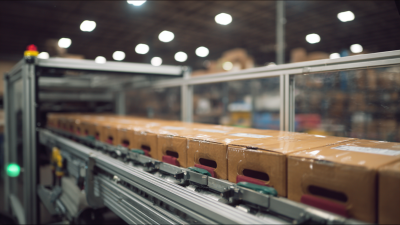
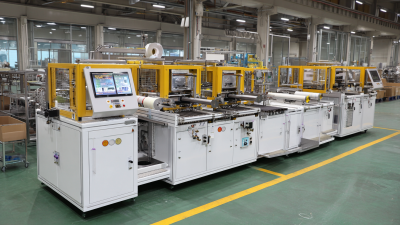
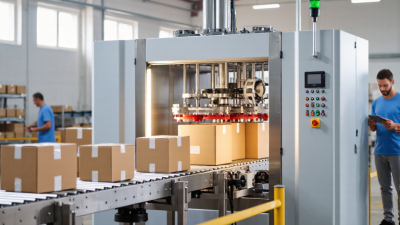
Choosing the right Automatic Box Taper in China starts with the cartons you actually ship. Measure their length, width, and height, then note how often those sizes change during a shift. A machine built for one steady carton range may struggle when operators feed it mixed boxes. That detail matters.
Compare the taper’s adjustment range, conveyor speed, tape-head design, and compatibility with your tape width. Check whether the machine seals both the top and bottom, and whether its controls are clear enough for routine changeovers. Ask suppliers for operating videos, technical specifications, and a test using cartons similar to yours. A smooth demonstration with one box size is useful, but it is not proof of reliable performance across a full production run.
Also consider installation, spare parts, training, and local service support. Request written details about warranty coverage and recommended maintenance intervals. If possible, inspect a working unit or arrange a sample test before placing an order. Watch for uneven tape application, carton jams, and difficult adjustments. Small problems add up.
Price deserves attention, but it should not decide the purchase alone. Compare the total cost of ownership, including downtime, consumables, and service. A lower quote can look attractive; it may not include what your line needs. Be cautious of broad performance claims without test conditions or measurable figures. Even a careful review cannot predict every issue in daily production. Still, asking precise questions helps you identify a machine that fits your cartons, operators, and throughput goals—not merely one that looks impressive in a catalogue.
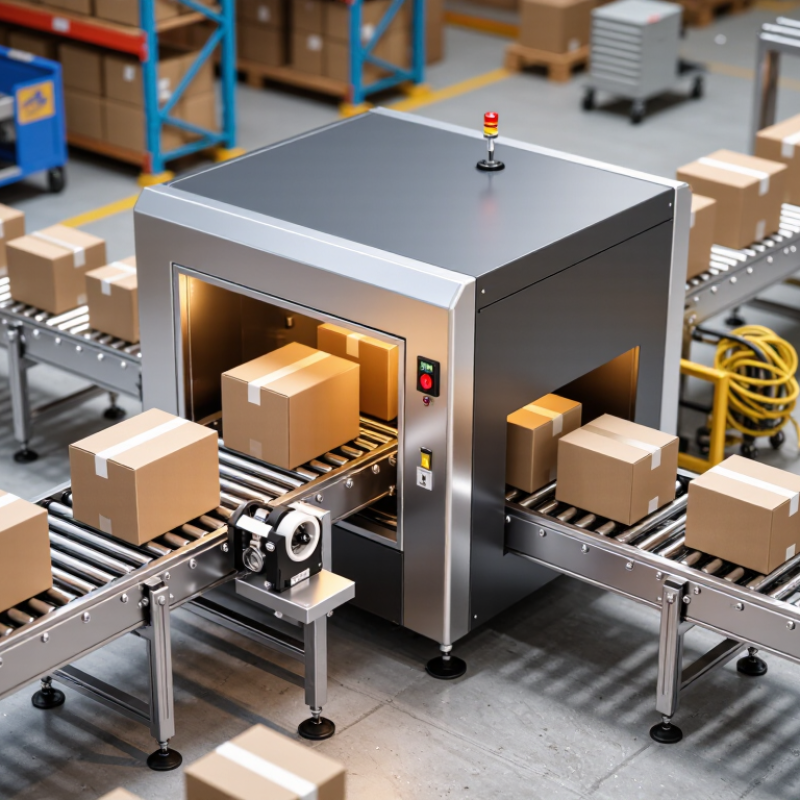
An automatic box taper closes filled cartons by folding their top flaps and applying pressure-sensitive tape. It replaces repeated hand taping with a steady, repeatable seal. On a packing line, this can reduce wrist strain and help cartons move smoothly toward labeling or palletizing. Small detail. Tape alignment matters: a slightly skewed strip may lift during transport.
The machine’s role depends on the cartons and the line around it. A plant handling one carton size may need a simple fixed-format taper. Frequent size changes call for adjustable guides and quick settings. Check carton dimensions, board strength, tape width, required speed, and conveyor height before comparing models in China. A high speed rating means little if workers must stop the line to correct poor flap folding.
PMMI’s 2023 State of the Industry report placed U.S. packaging machinery shipments at $10.9 billion in 2022. That figure covers machinery broadly, not box tapers alone, but it reflects substantial investment in packaging equipment. When assessing a taper, ask for a test using your own cartons and tape. Also verify local installation, spare-part access, and operator training. Faster is not always better; I can overlook how much changeover time shapes daily output.
Common carton-sealing tape widths provide a practical starting point when checking an automatic box taper’s tape-head compatibility.
The widths shown are common nominal sizes, with inch values converted from millimeters. Availability and compatibility vary by machine; confirm the supported tape width with the supplier before purchasing.
Before comparing automatic box tapers in China, define the work they must handle. Record the smallest and largest case length, width, and height, then note board grade, flute, and tape width. Include actual samples: a flexible carton can behave differently from a rigid one, even when their dimensions match. Measure twice.
The Fiber Box Association’s 2023 corrugated-industry data reported roughly 404 billion square feet of U.S. corrugated shipments. That figure signals the scale and variety of case production, not a machine specification. I would not use it to predict one factory’s output. Instead, count cases per minute during normal and peak shifts, list daily changeovers, and check how cases arrive from upstream equipment. A line running mixed sizes needs reliable adjustment across its full size range, not just a high advertised speed. Also confirm floor space, operator access, and downstream conveyor height.
Write down the required case range and tape placement before requesting quotations. Ask suppliers to run your own cartons at target speed, including the smallest and largest cases. Record jams, adjustment time, and tape alignment. One detail is easy to miss: damaged or bowed cartons may skew a trial. Test typical production stock, too. The specification may still need revision after the trial.
How to Choose the Best Automatic Box Taper in China? - Defining Production Needs and Box Specifications
| Production Profile | Typical Throughput Target | Box Size and Variation | Taping Requirements | Suitable Machine Features | Key Checks Before Selection |
|---|---|---|---|---|---|
| Low-volume or mixed-product line | About 6–10 boxes per minute | Frequent changes in carton length, width, or height; confirm the smallest and largest box dimensions. | Top-and-bottom center-seam sealing; tape width commonly selected from 48 mm or 72 mm options. | Quick manual adjustment or automatic size adjustment; accessible controls and straightforward changeovers. | Test representative cartons, including the smallest format, and check how long size changes take. |
| Steady-volume production | About 10–20 boxes per minute | A limited range of regular carton sizes, with occasional format changes. | Consistent top-and-bottom application; select tape type and width to suit carton material and closure needs. | Powered carton feed, adjustable side belts, tape-head access, and integration with upstream or downstream conveyors. | Confirm actual line speed with your carton sizes, operator workflow, and planned operating hours. |
| High-volume, repeat-size line | About 20–30 boxes per minute as a planning target | Mostly uniform cartons or scheduled batches with predictable dimensions. | Continuous, even sealing with dependable tape application and minimal stoppages. | Automatic size adjustment where needed, stable conveying, accessible fault recovery, and suitable line-control interfaces. | Request a production trial; verify sustained throughput, carton stability, tape change time, and jam-clearance access. |
| Heavy or tall cartons | Set the target according to carton weight and handling limits | Large, heavy, or tall cartons that may need additional support during conveying. | Choose tape and closure settings based on board grade, package weight, and shipping conditions. | Appropriately rated conveyor and frame; consider top hold-down or other carton-stabilizing features where required. | Test loaded cartons and confirm the machine’s permitted carton dimensions, weight range, and operating conditions. |
| Mixed carton materials | Base the target on the slowest or most difficult carton type | Different corrugated board grades, surface finishes, or carton constructions. | Validate tape adhesion and sealing performance for each board and tape combination. | Adjustable tape-head settings and easy access for inspection, cleaning, and routine maintenance. | Run trials with production cartons and the intended tape; inspect seal quality after handling and transit simulation. |
Planning note: Throughput figures are indicative targets, not guaranteed machine ratings. Confirm the complete carton size range, maximum carton weight, tape specification, available floor space, electrical supply, and required line speed with the equipment supplier before purchase.
Automatic box tapers generally fall into two groups: semi-automatic machines and fully automatic systems. Semi-automatic models suit mixed production, where an operator folds the top flaps before feeding each carton. Fully automatic units form and seal cartons with less manual handling, making them better for steady, high-volume lines. The difference is practical. A fast machine can still become a bottleneck if workers need to adjust every box.
Compare carton-size range, changeover method, and tape-head design alongside advertised speed. Some machines handle one carton size efficiently; others use sensors and powered adjustments for changing dimensions. Check whether the unit applies tape evenly across the top and bottom seams. Watch a test run for loose corners, skewed cartons, or tape wrinkles. Small defects add up. Tape width, carton surface, and flap alignment can all affect sealing performance.
For buyers in China, assess local installation support, spare-part access, and compatibility with the existing conveyor. Ask suppliers to test your actual cartons, not just a standard sample. Measure sustained output over several minutes, including changeovers and minor stops. A published speed figure may reflect ideal conditions. I would also examine noise and operator access; these details are easy to overlook, and they can matter during a long shift. Even a careful trial cannot predict every production issue, so leave room for adjustment.
When evaluating Chinese manufacturers, look beyond a polished catalogue. The China Packaging Federation’s 2023 industry statistics report packaging-sector operating revenue of about RMB 1.154 trillion. This broad figure is not specific to box tapers, but it shows the scale of the supplier ecosystem. Check whether the factory builds the machine itself or outsources key assemblies. Ask for a current quality certificate, confirm its scope and validity, and request traceable component records. Paperwork matters. It does not prove reliable operation.
Ask for a live acceptance test using your actual carton sizes, tape width, and target speed. Watch how the machine handles uneven boxes and repeated changeovers. Record jams, adjustment time, and tape waste. Request the test results in writing. ISO 9001 certification can support confidence in a documented quality system, but it cannot replace a machine trial. Check spare-parts availability, response times, manuals, and remote-support arrangements for your destination. I would still ask for a customer reference with a similar production line; this step can be awkward, but it often reveals gaps a video will not show. A neat brochure is not proof.
Verifying Costs, Compliance, Service, and Factory Fit
A low machine price can hide costs for change parts, freight, commissioning, and spare tape heads. Request a landed-cost breakdown, plus a written list of exclusions. Compare total ownership costs over three to five years, not just the quotation. A spreadsheet can make this look simpler than it is. It cannot predict every jam.
Check compliance against the machine’s destination and plant requirements. Ask for a risk assessment, electrical drawings, guarding details, and operating instructions. ISO 12100 provides guidance on machinery risk assessment; IEC 60204-1 covers electrical equipment of machines. Verify which standards apply to your installation.
Service matters too. Confirm spare-part availability, remote support hours, and technician response times in writing. China’s automation capacity is substantial: the International Federation of Robotics reported 276,288 industrial robot installations in China in 2023, 51% of global installations. This is useful context, not proof of a taper’s quality.
Tips: Bring five real carton sizes to a factory trial. Test your board grades, tape width, and target speed. Watch changeovers and jams, not only a smooth demonstration. Measure the machine footprint against your conveyor, aisle, and operator space. Leave room for maintenance. Small detail, big impact. Ask for a video of a fault recovery, too. The answer may be imperfect; record what still needs verification.