What Is the Best Case Sealer Machine?

Choosing the best Case Sealer Machine starts with the cartons you actually ship, not the longest feature list. Box sizes, daily volume, tape type, and available floor space all affect the right choice. A compact manual model may suit a small packing bench, while a high-volume line may need powered adjustments and consistent throughput. No single machine fits every operation.

Look closely at how quickly operators can set guides, load tape, and clear a jam. These small tasks repeat throughout a shift. They matter. Check the stated carton-size range, sealing speed, tape specifications, and maintenance requirements against your real workload. If boxes vary widely, ask whether adjustments are manual or automatic, and how long a changeover takes. A fast machine can still be a poor fit if it struggles with your carton mix.

Reliable comparisons also consider guarding, operator training, spare-part access, and the supplier’s service support. Confirm performance claims with product documentation or a live demonstration using representative cartons. A specification sheet may not reveal awkward controls or difficult tape replacement. That is easy to overlook. This guide examines practical machine types, key buying criteria, and common trade-offs, so you can narrow the options with evidence rather than guesswork. The best choice is the one that seals your boxes dependably and fits the pace of your packing area.
What Is the Best Case Sealer Machine?

What a Case Sealer Machine Is and How It Works

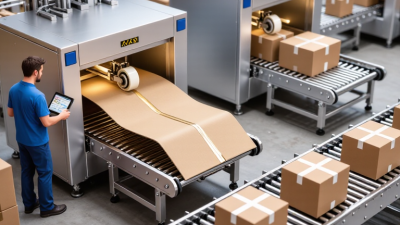
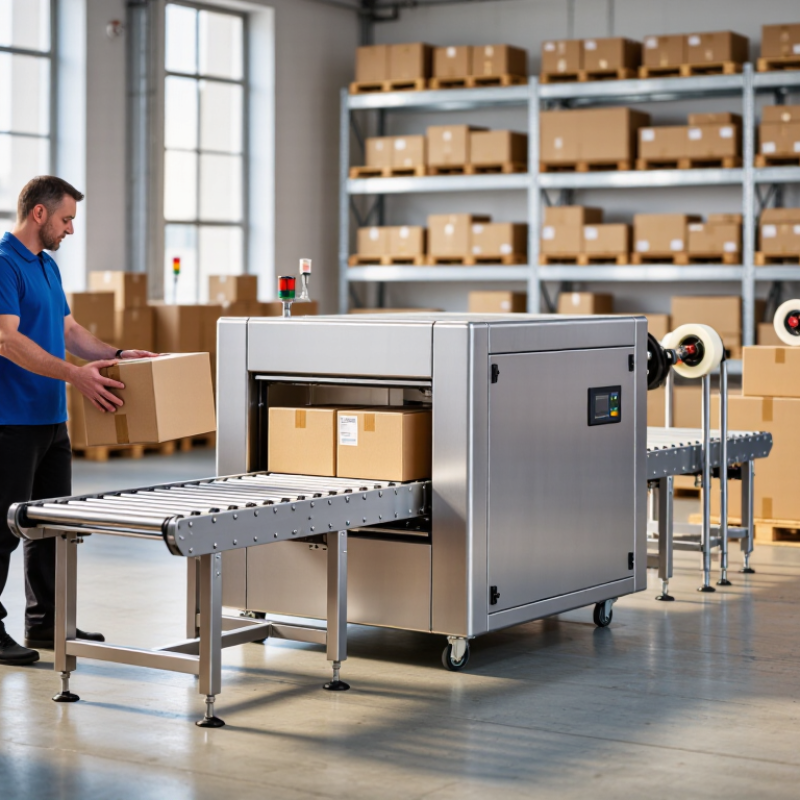
A case sealer is a packaging machine that closes filled cartons and secures their top flaps with tape or adhesive. It is commonly placed near the end of a packing line, after cartons have been loaded. Depending on the model, it may handle one carton size or adjust to several sizes. The machine does not pack the product; it seals the box presented to it.

Small details matter. An operator feeds a carton into the infeed, where guides help center it. Belts or rollers move the box forward while folding components bring the top flaps together. A tape head then presses tape across the center seam and down the sides. Adhesive-based systems apply glue instead, which needs suitable contact and setting time. The exact sequence varies by design.

Not always. A carton with bowed flaps, uneven contents, or weak board may not seal reliably, even when the machine is working correctly. Adjusting the side guides, belt pressure, or tape-head height can help, but excessive pressure may crush the box. In real packing areas, small setup changes are easy to overlook during a busy shift. Checking a few sealed cartons after a change is a practical way to catch gaps, loose tape, or crushed corners before they spread through a batch.

Main Types of Case Sealer Machines

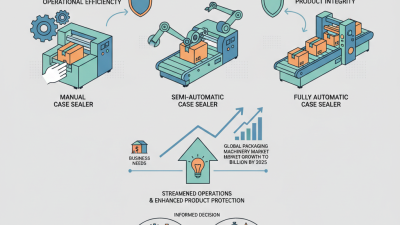
Manual case sealers suit low-volume operations with frequent carton changes. An operator folds the flaps, positions the box, and guides it through the machine. Setup is simple. Output depends heavily on steady, careful handling, so this option may become tiring during long shifts.

Semi-automatic machines usually seal the top and bottom of a carton after an operator closes its flaps and feeds it in. They offer a practical middle ground for small production lines. Before choosing one, check the range of carton dimensions and how quickly guides can be adjusted. Changeovers can take longer than expected.

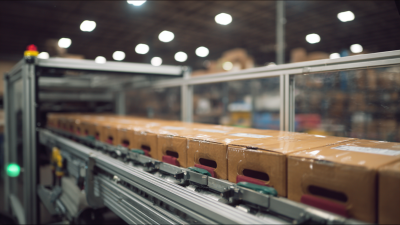
Automatic case sealers handle carton feeding and flap folding with less operator input. They fit higher-throughput lines, but need consistent carton sizes and suitable upstream equipment. Some models are designed for uniform cases; random-case systems adjust to varying box dimensions. A common mistake is relying on rated speed alone. Measure actual line flow, including pauses for refills, jams, and quality checks. Also consider tape or adhesive requirements, maintenance access, and available floor space. The fastest machine is not always the best fit.

What Is the Best Case Sealer Machine? - Main Types of Case Sealer Machines

Machine Type How It Works Typical Case Handling Indicative Throughput Best Suited For Key Considerations
Manual case sealer An operator folds the flaps, positions the carton, and feeds it through the taping head. Usually one fixed or manually adjusted carton size at a time. Approximately 5–10 cases per minute, depending on the operator and case format. Low-volume packing, occasional use, and operations with limited floor space. Lowest level of automation; output depends on operator pace and consistent carton presentation.
Semi-automatic uniform case sealer The operator folds the top flaps and feeds each carton; the machine applies tape to the top and bottom seams. One main case size, with manual adjustments when dimensions change. Approximately 10–20 cases per minute. Steady production runs using cartons of the same dimensions. Offers consistent sealing with moderate operator involvement; changeovers require adjustment.
Semi-automatic random case sealer The operator presents cartons, while sensing and adjustment systems accommodate varying case dimensions. Multiple case sizes within the machine’s specified range, often without manual changeover. Approximately 8–15 cases per minute. Mixed carton sizes and packing stations with variable orders. Check the supported size range and minimum carton dimensions; irregular or damaged cartons may affect feeding.
Automatic uniform case sealer Integrated controls and conveyors feed and seal cartons; flap handling may be automatic or assisted by upstream equipment. Typically configured for a consistent case size or a limited set of sizes. Approximately 20–30 cases per minute, depending on the line configuration. High-volume lines with predictable carton dimensions and continuous product flow. Requires suitable infeed and outfeed arrangements; production speed depends on the whole line, not just the sealer.
Automatic random case sealer Conveyors, sensors, and automatic adjustments accommodate cartons of varying dimensions as they move through the machine. A range of carton sizes, subject to the machine’s minimum and maximum specifications. Approximately 15–25 cases per minute, depending on carton mix and line conditions. Higher-volume operations with frequent size changes or mixed-case orders. Generally more complex than a uniform machine; verify carton quality, size range, and upstream spacing requirements.

Selection tip: The best case sealer depends on carton-size variation, required line speed, operator availability, and available space. Throughput figures are indicative; actual performance varies with case dimensions, tape application, product flow, and line setup.

Key Features for Comparing Case Sealers

What Is the Best Case Sealer Machine?
Key Features for Comparing Case Sealers

The best case sealer is the one that handles your cartons reliably at your actual production pace. Start by checking the range of box lengths, widths, and heights it can process. If carton sizes change often, look for straightforward adjustments and repeatable settings. Quick changeovers help, but test them with your own team. A specification sheet cannot show every awkward moment on a busy packing line.

Compare sealing consistency, throughput, and tape compatibility. A machine should apply tape evenly across the top and bottom seams without leaving loose edges. Check whether its speed matches the rest of your line; a faster sealer may simply move a queue downstream. Consider operator access, guarding, routine cleaning, and how easily common wear parts can be inspected. Noise and floor space matter too. Small details add up.

Tips: Run several real cartons through a demonstration, including your largest and smallest sizes. Watch for skewed boxes, tape wrinkles, and difficult adjustments. Record changeover time. One test is not enough.

How to Choose a Case Sealer for Your Operation

Choosing a case sealer starts with your cartons and daily workflow, not a machine’s headline speed. Record carton dimensions, weight, board quality, tape requirements, and peak hourly volume. Pitney Bowes’ 2023 Parcel Shipping Index estimated 161 billion parcels worldwide in 2022 and projected 256 billion by 2027. That forecast signals pressure on reliable carton flow, but your actual order mix matters more than global totals. Cartons vary.

Match the sealer to your real production pattern. A manual unit may suit short runs with frequent carton changes; automatic equipment can help where sizes and volumes are consistent. Check changeover time, jam access, tape loading, guarding, and how easily operators can reach controls. Measure performance during peak shifts, not only in a clean demonstration.

Test it live.

Include the smallest and largest cartons, imperfectly filled boxes, and cartons with worn edges. A neat demo can hide awkward changeovers. Track mis-seals, downtime, and tape use during the trial, then compare those results with your current process.

One limitation is easy to miss: supplier test cartons may not behave like your own.

Common Uses and Maintenance Requirements of Case Sealers

What Is the Best Case Sealer Machine?

Common Uses and Maintenance Requirements of Case Sealers

Case sealers close corrugated cartons with pressure-sensitive tape or hot-melt adhesive. They are common in warehouses, food and beverage lines, and shipping departments. A fixed-format machine suits runs of similar cartons. A random case sealer handles changing carton sizes, useful when orders vary throughout the day.

Match the machine to carton dimensions, line speed, and closure type; a fast sealer can still cause a bottleneck if cartons arrive unevenly. PMMI’s 2024 State of the Industry report put U.S. packaging machinery shipments at about $10.9 billion in 2023, reflecting the scale of equipment used across packaging operations.

Daily care is simple, but easy to skip. Remove tape scraps and paper dust around rollers, belts, and tape heads. Dust hides there. Check that rollers turn freely and belts track straight. Replace worn blades carefully, following the equipment manual and site safety procedures.

Inspect adhesive buildup on hot-melt units, and keep glue within the specified temperature range. Too much heat can char adhesive; too little can weaken the seal. Small checks matter.

Record jams, loose tape, and recurring carton misalignment, then look for patterns rather than repeatedly adjusting the same part. Before cleaning or servicing, isolate power according to the site’s lockout procedure. Recheck seal quality after maintenance using cartons from the actual production run. That step is sometimes overlooked.