What Are the Top Packaging Robots in 2026?
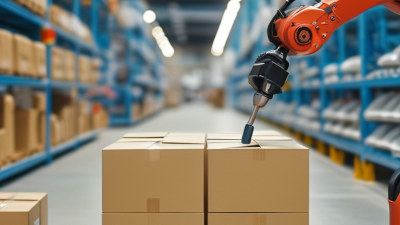
Packaging Robots are becoming central to faster, cleaner, and more flexible production lines in 2026. They handle picking, cartoning, case packing, palletizing, labeling, and inspection. A robotic arm can place products into cartons with repeatable force, while machine vision checks orientation before sealing.
The International Federation of Robotics reported 541,302 industrial robots installed worldwide in 2023. Its World Robotics 2024 report also recorded more than 4.28 million industrial robots operating globally. Packaging is only one application, but these figures show the scale of automation behind modern factories. The trend is expanding.
Not every robot deserves the “top” label.
This guide evaluates leading Packaging Robots through practical criteria. These include cycle speed, payload, reach, vision accuracy, changeover time, software compatibility, safety features, energy use, and total ownership cost. The PMMI 2024 World of Packaging Machinery report highlights continuing demand for automation, especially where labor shortages and product variation affect throughput. Interact Analysis also identifies strong growth across warehouse and factory automation, although market estimates differ by research method.
That difference matters.
A robot may look impressive in a demonstration but struggle with slippery pouches, unstable cartons, or frequent SKU changes. Real performance depends on grippers, conveyors, sensors, programming, and operator training. Some published figures also come from controlled testing, not a busy production floor. Therefore, this 2026 comparison considers both technical specifications and practical evidence from manufacturers, integrators, and industrial users. The results may not satisfy every factory, but they offer a clearer starting point for selecting reliable robotic packaging equipment.
Packaging Robot Types and Their Core Functions in 2026
In 2026, the top packaging robots are defined by practical performance, not futuristic appearance.
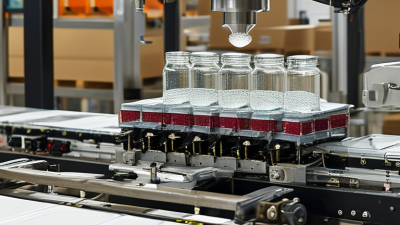
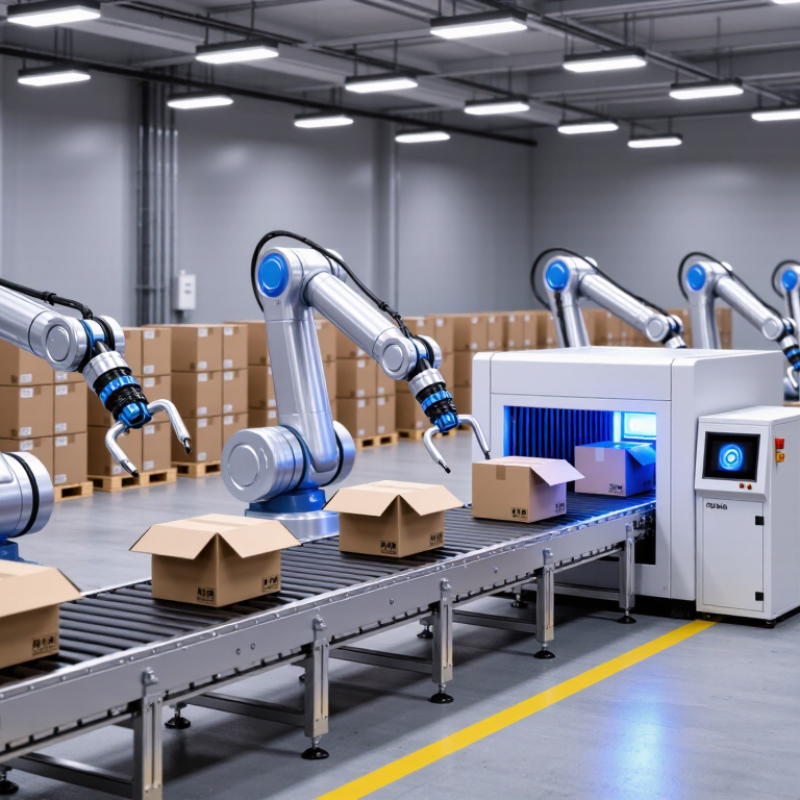
Pick-and-place robots move pouches, bottles, or trays into cartons with consistent timing. Delta robots suit lightweight products and rapid sorting. Vision systems check position, orientation, and missing items before sealing.
Small details matter.
Case-packing robots load folded cartons, close flaps, and adjust to different case sizes. Palletizing robots stack cases in stable patterns, reducing manual lifting and uneven loads. Robotic wrapping units secure finished pallets with controlled film tension.
Collaborative robots support lower-volume lines with frequent product changes. They can work near trained operators, but safeguards and risk assessments remain essential.
From practical line evaluations, the best choice depends on product weight, cycle time, package shape, and cleaning needs.
A robot rated for 40 cartons per minute may struggle with soft or irregular cartons. Integration also requires conveyors, sensors, software, and accessible maintenance points. Buyers should request measured trials instead of trusting catalog speeds.
Changeover time matters. Some systems look efficient but create upstream bottlenecks. That problem is easy to miss.
Human judgment still matters.
Leading Packaging Robots for Primary and Secondary Packaging
What Are the Top Packaging Robots in 2026?
Leading Packaging Robots for Primary and Secondary Packaging
The best packaging robot depends on the product, package shape, speed, and hygiene requirements. For primary packaging, delta and SCARA robots remain strong choices for rapid pick-and-place work. They can move trays, pouches, cartons, and small containers with accurate timing. Vision systems help detect rotation, missing items, or damaged seals before packing continues. Stainless-steel frames and careful washdown design matter in demanding production areas.
Secondary packaging needs different strengths. Robotic case packers place grouped products into boxes without harsh impacts. Six-axis robots handle unusual orientations and mixed packing patterns. Collaborative robots suit lower-volume lines, especially where workers change products often. Palletizing robots can stack cases with stable patterns, while sensors monitor weight, position, and pallet height. In practice, the fastest robot is not always the most useful. A poorly balanced gripper can create jams, noise, and expensive downtime.
Tips: Test the complete package, not only the product. Measure cycle time with real film, cartons, labels, and rejected items. Check whether operators can safely clear a jam within minutes. Ask for documented accuracy, maintenance intervals, training, and spare-part availability. Leave room for future package sizes. This is often overlooked. I would also challenge laboratory speed claims, because factory floors are warmer, dirtier, and less predictable. A short production trial can reveal more than a polished demonstration.
What Are the Top Packaging Robots in 2026?
This chart compares typical operating throughput ranges for leading robot classes used in primary and secondary packaging. Actual performance depends on product size, payload, tooling, line layout, and changeover requirements.
Throughput ranges are shown in items, cycles, cases, or pallets per minute and represent common industrial application ranges rather than a company-specific ranking.
Automation Features Shaping Packaging Robots in 2026
Packaging robots in 2026 are judged less by speed alone. Their value comes from coordinated sensing, safe movement, and reliable changeovers. Vision systems will identify package size, surface defects, and unusual product positions before gripping. Force sensors can reduce crushed cartons and improve handling of soft pouches. That matters on mixed production lines. Top performers will include delta robots for rapid picking and six-axis robots for complex case packing. Adaptive grippers can switch contact points when package shapes change. Some systems may learn from production data, but learning still requires careful limits.
Connected controls are shaping daily operation. Robots can share cycle times, motor temperatures, and fault patterns through secure industrial networks. Maintenance teams may receive warnings before a conveyor stop occurs. Digital twins can test new carton formats without interrupting live production. This saves time, although virtual results do not always match dusty floors or uneven cartons. Skilled technicians remain essential. A dashboard cannot replace judgment.
Safety features are becoming more practical. Area scanners, speed control, and collaborative modes can reduce risks near operators. Robots can pause when someone reaches into a loading zone. Better software will support traceable settings, access permissions, and audit records. Energy monitoring may expose idle motion and compressed-air waste. The strongest machines will combine flexibility with repeatable accuracy, not impressive demonstrations alone. Small errors still matter. A misaligned label can trigger rework, downtime, and customer complaints.
What Are the Top Packaging Robots in 2026? - Automation Features Shaping Packaging Robots in 2026
| Robot Type |
Typical Packaging Tasks |
Typical Payload |
Typical Throughput |
Typical Repeatability |
Typical Reach |
Key 2026 Automation Features |
Best-Fit Production Environment |
| Delta Robot |
High-speed picking, sorting, primary packing, tray loading |
0.5–15 kg |
60–200 picks/min |
±0.1–0.5 mm |
0.4–1.6 m |
AI-assisted vision, automatic recipe changeover, weight and shape recognition, predictive maintenance |
High-volume food, beverage, pharmaceutical and consumer-goods lines |
| SCARA Robot |
Carton loading, pouch insertion, labeling support, assembly and sealing |
1–20 kg |
30–100 cycles/min |
±0.01–0.05 mm |
0.4–1.0 m |
Digital motion profiles, force monitoring, vision-guided placement, fast format switching |
Compact packaging cells requiring precision and short cycle times |
| Six-Axis Industrial Robot |
Case packing, bag handling, machine tending, secondary packaging |
5–50 kg |
10–40 cycles/min |
±0.02–0.10 mm |
0.8–2.6 m |
3D vision, adaptive gripping, collision detection, remote diagnostics and line synchronization |
Flexible factories handling varied case sizes, orientations and product weights |
| Collaborative Robot |
Case packing, carton forming assistance, product transfer and pallet preparation |
3–30 kg |
5–25 cycles/min |
±0.02–0.10 mm |
0.5–1.8 m |
Hand-guided programming, integrated safety sensing, no-code interfaces, quick deployment and modular tooling |
Small and medium-sized operations with frequent product changes or limited floor space |
| Palletizing Robot |
Layer palletizing, mixed-SKU palletizing, depalletizing and stretch-wrap integration |
20–200 kg |
8–30 cases/min |
±0.05–0.50 mm |
1.5–3.2 m |
Automatic pallet-pattern generation, load optimization, barcode verification, remote fleet monitoring |
Distribution centers, beverage plants, food processing and heavy-case operations |
| Mobile Manipulator |
Material movement, line replenishment, inspection and flexible end-of-line handling |
5–30 kg |
5–20 tasks/min |
±0.5–2.0 mm |
1.0–2.0 m arm reach |
Autonomous navigation, fleet coordination, digital maps, obstacle avoidance and task-based control |
Large facilities where packaging stations are distributed across multiple production areas |
Data note: The figures represent typical industry ranges for 2026 packaging automation. Actual performance depends on product geometry, gripper design, conveyor speed, packaging format, safety requirements and line integration.
How to Select the Right Packaging Robot for Your Operation
What Are the Top Packaging Robots in 2026?
How to Select the Right Packaging Robot for Your Operation
In 2026, the top packaging robots are not defined by speed alone. Delta robots suit high-speed picking, while six-axis robots handle flexible case packing. Collaborative robots fit smaller lines with frequent product changes. The correct choice starts with your product, not a sales brochure.
Measure package weight, dimensions, surface texture, and hourly volume before comparing equipment. A packaging engineer should also check reach, payload, cycle rate, and end-effector design. Vacuum tooling may lift sealed cartons effectively, but irregular bags can require mechanical grippers. Vision systems help manage inconsistent placement, although poor lighting can reduce accuracy.
Plant conditions matter. Stainless construction supports washdown areas, while sealed joints protect robots from dust. Examine changeover time, spare-part access, programming requirements, and integration with conveyors or sensors. During a pilot, test real packages at peak speed, not ideal samples. A faster robot can still lose money if it causes jams or needs constant adjustment.
Safety validation must include guarding, emergency stops, access points, and operator training. Energy use and maintenance should be calculated over several years. Forecasts are imperfect. Leave room for future package sizes and seasonal demand. No selection method is perfect. The best decision usually comes from measured trials, clear production data, and honest discussion with the people who run the line.
 English
 Español de México